
Why the World Cup is a ‘make or break’ moment for alcohol sales
Qwenews.com – Why the World Cup is a ‘make or break’ moment for alcohol sales has become a critical question in the beverage industry as the global event approaches. While ticket sales and geopolitical rivalries dominate the spotlight, the tournament faces a unique challenge: a sustained dip in alcohol consumption. Large-scale sporting events are traditionally a catalyst for increased beverage sales, with fans congregating in bars or hosting gatherings to celebrate matches. However, in the United States, where alcohol sales have been declining for years, the World Cup might serve as a pivotal turning point. “The alcohol business in the U.S. is struggling more than in virtually any other part of the world,” said Bourcard Nesin, a beverage analyst at Rabobank. “We’re witnessing significant consumption declines that haven’t occurred elsewhere.”
The World Cup’s Potential to Revitalize Alcohol Sales
With 104 matches scheduled over nearly six weeks, featuring iconic athletes like Lionel Messi and Cristiano Ronaldo, the World Cup could provide a much-needed boost to the alcohol industry. Nesin noted, “The World Cup will unquestionably drive beer, wine, and spirits sales. It’s a major injection of energy into a market that desperately needs it.” The event’s long duration and widespread appeal offer a unique opportunity to reignite consumer interest, especially in regions where alcohol sales have stagnated or declined. But the question remains: how impactful will this surge be, and will it be enough to reverse the trend?
Diageo’s Strategic Move into the World Cup
Diageo, the global beverage giant, is positioning itself to capitalize on this potential resurgence. Its North American market, the largest in the company’s portfolio, saw a 9% revenue drop in the most recent quarter. Worse still, U.S. spirit sales fell by 15%, with brands like Casamigos experiencing reduced demand. “North America remains our biggest challenge,” said Diageo CEO Dave Lewis in recent earnings reports. To counter this, the company has secured a groundbreaking partnership with FIFA, becoming the first spirits sponsor for the World Cup. This collaboration ensures that only Diageo’s products will be available at stadiums and fan festivals, marking the first time liquor is sold during the tournament.
Other Sponsors and Marketing Tactics
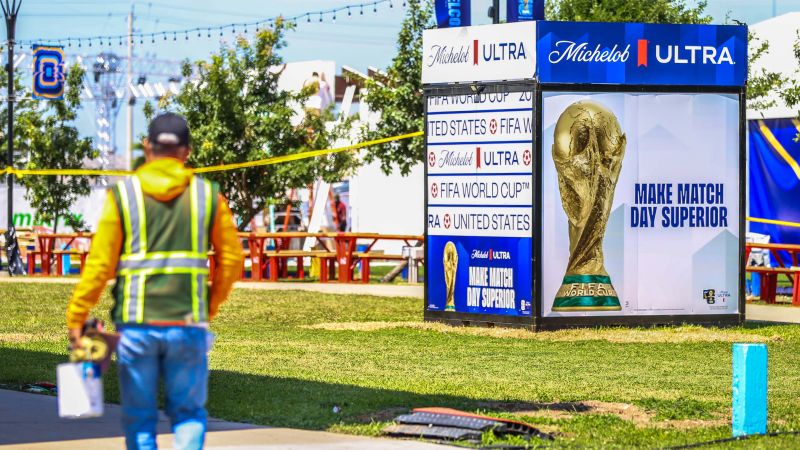
Meanwhile, Anheuser-Busch, the tournament’s official beer sponsor, continues its long-standing alliance with FIFA. This year, however, the company has shifted its focus to Michelob Ultra, which has become the top-selling brand in its portfolio. CEO Michel Doukeris emphasized, “Bars will be the venues where fans unite to watch the games,” highlighting the brand’s strategy to leverage the event for bar promotions. Heineken, though not a sponsor, is intensifying its bar marketing efforts by nearly 200%, distributing flags and signage while launching limited-edition soccer-themed packaging. Molson Coors, too, is investing heavily, including a playful campaign rebranding its name to mirror Spanish commentator Andrés Cantor’s famous exclamation of “goooool.” The brewer is also using the occasion to promote its non-alcoholic Coors 0.0% beer, tapping into the growing demand for alternative beverages.
Industry-wide, alcohol sales have been under pressure for years, with a 6% volume decline in 2025 reported by the International Wine and Spirits Research (IWSR). Consumers are increasingly prioritizing discretionary spending in other areas, such as food or entertainment, which has affected alcohol purchases. Nesin pointed out that “sports are more commonly linked to beer,” suggesting that the World Cup could be a more significant catalyst for sales than liquor. “It’s like a Super Bowl that lasts a month,” he remarked, underscoring the event’s potential to drive a surge in consumption.
Despite the decline, the World Cup remains a powerful force in the alcohol market. The combination of social events, live viewing experiences, and the global reach of the tournament creates a unique environment for beverage companies to reconnect with consumers. For Diageo, the timing of its sponsorship aligns with the event’s momentum, offering a chance to reinvigorate its spirits division. Other brands, like Anheuser-Busch and Heineken, are also seizing the opportunity to enhance their presence through targeted campaigns. Whether this moment will truly be a turning point for the industry depends on how effectively these strategies translate into consumer behavior and market recovery.