
What It Takes to Keep NYC Secure During NBA Finals
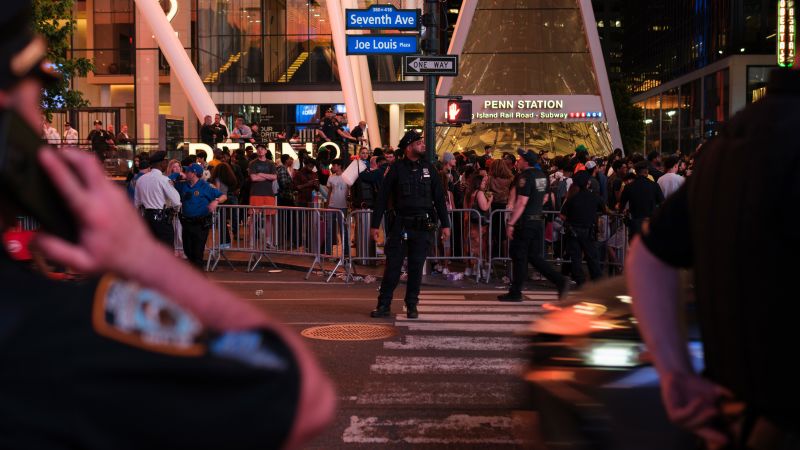
Qwenews.com – As the NBA Finals make a high-profile return to New York City, law enforcement agencies are implementing comprehensive security protocols to safeguard the iconic Madison Square Garden area. With the series set to commence on June 5, the city’s security teams are deploying advanced strategies, including increased police presence, cutting-edge surveillance technology, and enhanced threat detection systems. These measures are designed to address the evolving security landscape and ensure the safety of fans, athletes, and spectators during one of the most anticipated sporting events of the year.
Coordinated Efforts Between FBI and Local Agencies
The Federal Bureau of Investigation (FBI) plays a pivotal role in maintaining security, working closely with federal and local authorities to monitor potential risks. Assistant Director James Barnacle of the FBI’s New York Field Office stressed the importance of post-9/11 partnerships in improving intelligence sharing and joint operations. These collaborations have enabled agencies to preemptively address threats, even in the absence of confirmed dangers. The FBI’s Joint Terrorism Task Force, alongside NYPD units, is actively scanning for vulnerabilities and preparing specialized teams like SWAT and bomb technicians to respond swiftly.
“Our elevated threat environment persists, and we’re ensuring that every possible angle is covered,” Barnacle explained. “From intelligence analysis to real-time monitoring, the focus is on preventing incidents before they occur.”
Additionally, the city has expanded its use of drones and surveillance cameras to track crowd movements and detect anomalies. This layered approach to security reflects a growing emphasis on technology-driven solutions to complement traditional policing methods. The goal is to create a seamless yet robust defense system that can adapt to any emerging challenges.
Logistical Shifts for High-Profile Events
President Donald Trump’s planned appearance at Game 3 has introduced new logistical considerations for security. To accommodate his high-level protection, the venue is adjusting entry times, allowing fans to enter up to two hours before the game begins. This change aims to reduce congestion and give security teams more time to monitor the area. Street closures and barriers have also been expanded around the arena to prevent vehicle access and control pedestrian flow.
“Security requirements are prioritized to ensure the safety of the event and its participants,” said Matt McCool, head of the Secret Service’s New York field office. “Even without direct threats, we’re taking all necessary precautions to protect the venue.”
These adjustments are part of a broader strategy to manage risks associated with large gatherings. The Secret Service has also deployed up to 40 magnetometers at the site, which are used to scan for weapons. While outdoor watch parties near the arena were initially denied, the White House confirmed that the decision is driven by security needs rather than specific threats.
Evolved Security Framework and Global Threats
The current security framework for the NBA Finals represents a significant shift from pre-9/11 protocols. Madison Square Garden, dubbed “The World’s Most Famous Arena,” will host Games 3 and 4 on June 5 and 7, with Game 6 contingent on the series extending. This year’s event has prompted the FBI’s Joint Operations Center in Lower Manhattan to operate fully before Game 3, with teams from NYPD and counterterrorism units on standby.
According to Barnacle, the integration of global intelligence networks has made threat management more proactive. Agents are now deployed overseas to monitor international risks that could impact New York. This expanded reach allows for quicker responses to potential threats, whether they originate domestically or internationally. The city’s security teams are also leveraging data analytics to predict and mitigate risks in real time.
These measures underscore the complexity of modern security operations. While the NBA Finals are a local event, the scale of the threat environment requires a coordinated, multi-agency response. The emphasis is on creating a secure space for fans to enjoy the games without fear, highlighting the intersection of sports and national security in New York City.