
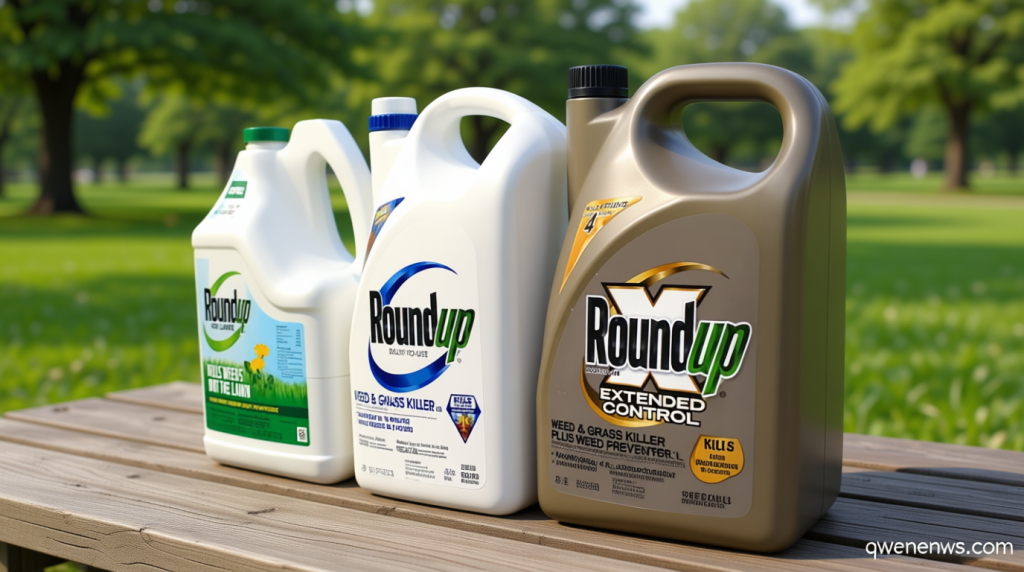
Supreme Court Rules Against Roundup Cancer Claim
Qwenews.com – On Thursday, the Supreme Court decided in favor of Monsanto, dismissing a $1.25 million award claimed by a Missouri man who alleged that Roundup exposure caused his cancer. The majority opinion, authored by Justice Brett Kavanaugh, argued that the federal government does not mandate cancer warnings on the herbicide’s label, thereby allowing the lawsuit to be rejected. Justices Ketanji Brown Jackson and Neil Gorsuch opposed the ruling, highlighting the significance of the case for future litigation.
A Plaintiff’s Journey and Legal Battle
John Durnell, known in his St. Louis community as “spray man” for his frequent use of Roundup in local parks, filed the lawsuit after being diagnosed with non-Hodgkin lymphoma. He contended that prolonged exposure to the pesticide was responsible for his illness. A jury initially awarded him $1.25 million, but the Supreme Court’s decision on Thursday may set a precedent affecting thousands of similar cases against Monsanto.
“This Supreme Court ruling wrongly slams the courthouse door on Americans sickened by pesticides, and underscores why we negotiated a $7.25 billion settlement that guarantees compensation to Roundup victims regardless of today’s decision,” Christopher Seeger, a plaintiffs’ lawyer, stated.
Legal Foundations and Industry Implications
Monsanto, now owned by Bayer, defended its position by citing the Federal Insecticide, Fungicide, and Rodenticide Act of 1972. The company argued that this law was designed to prevent states from creating inconsistent labeling rules for pesticides. It also emphasized that the Environmental Protection Agency has never required cancer warnings on Roundup labels, despite a 2015 International Agency for Research on Cancer classification of glyphosate as “probably carcinogenic to humans.”
Bayer highlighted the $7.25 billion settlement agreement reached in February, which remains in effect for Missouri plaintiffs even after the Supreme Court’s latest ruling. The company claimed the decision would streamline litigation and reduce the number of ongoing claims against it. However, critics warned that the ruling could allow other industries—such as medical device manufacturers or cosmetics producers—to face similar lawsuits under federal regulations.
Political Influence and Advocacy
The case gained traction among supporters of President Donald Trump’s “Make America Healthy Again” initiative. Hundreds of advocates attended the April hearing, urging the court to uphold consumer protections. Robert F. Kennedy Jr., head of the movement, had previously led efforts against pesticides, including representing DeWayne “Lee” Johnson, a San Francisco groundskeeper who died from non-Hodgkin lymphoma in 2014. Kennedy’s influence helped bolster Trump’s campaign, with promises to prioritize environmental regulation during his administration.
Monsanto’s stance that glyphosate is not carcinogenic has remained consistent, but the company has removed it from consumer products while retaining it in industrial formulations used by farmers. The court’s decision may shape the future of pesticide-related litigation, with broader implications for how federal and state laws interact in regulating health risks.