
Quarantine Concludes for Final Hantavirus-Exposed Cruise Passengers in Nebraska
Qwenews.com – On June 22, 2026, the last eight U.S. passengers who spent 42 days in a specialized quarantine unit at a Nebraska hospital due to a hantavirus outbreak on a cruise ship have exited the facility. The U.S. Department of Health and Human Services (HHS) confirmed the end of the quarantine period on Monday. “HHS worked with federal, state, and local teams to ensure the safety of the public, control the outbreak, and complete this response effectively,” said Emily Hilliard, an HHS spokesperson, in an email.
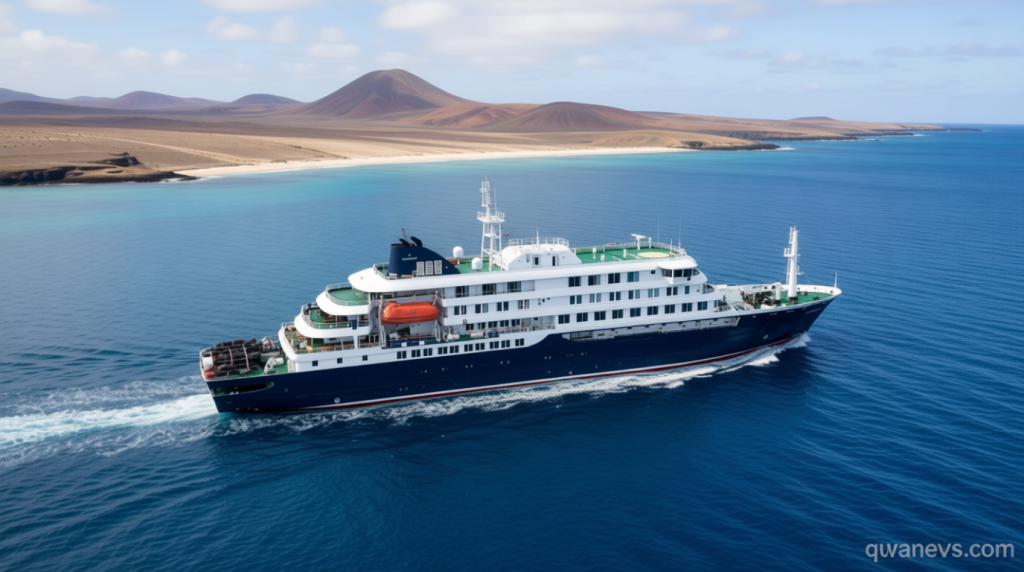
The MV Hondius, a Dutch cruise ship, had earlier evacuated over 120 individuals from Spain’s Canary Islands, including 18 Americans who were placed in Omaha’s National Quarantine Unit. While most evacuees were from other nations, the U.S. passengers were monitored closely. At least 30 passengers had already left the ship before the hantavirus outbreak was officially documented, among them seven Americans who were permitted to self-monitor at home. When the ship arrived in the Netherlands, 25 crew members and two medical staff were required to quarantine.
The World Health Organization (WHO) did not provide an immediate response to inquiries about the global quarantine status. A total of 13 cases were confirmed on the vessel, with three fatalities, including a Dutch couple believed to be the first infected during their visit to South America. The outbreak involved the Andes virus, a strain of hantavirus that, unlike typical cases, may transmit between humans in rare instances. Health officials noted that the virus usually spreads via inhalation of rodent droppings, but this outbreak highlighted unusual transmission patterns.
One of the American passengers, Angela Perryman, contested the quarantine order, which kept her confined against the CDC’s advice. In a Monday interview, Perryman revealed that the monitoring period concluded at 2 p.m. on Sunday, allowing her to depart on a flight that same evening. “We were locked in our rooms until 1:55, and at 2 o’clock, everyone was told to go home,” she said from her Florida residence. While some passengers stayed overnight in Omaha, Perryman opted for an early return, with the government covering her travel expenses.
“We were locked in our rooms until 1:55. And at 2 o’clock, ‘OK, well, everybody walk out and go home,’” Perryman said, speaking from her Florida home.
Seven of the remaining patients stayed voluntarily, but Perryman’s stay was mandated by a controversial order. She and seven others spent six weeks at the University of Nebraska Medical Center’s quarantine unit, a duration set to account for the 42-day incubation period seen in past hantavirus outbreaks. None of the patients developed symptoms during their time in isolation. Ten additional passengers had left earlier under an agreement to monitor their health locally.
During their stay, Omaha’s restaurants and food trucks provided daily meals for the quarantined individuals. Nurses also made Starbucks deliveries to cater to their preferences. The quarantine rooms were equipped with hotel-style amenities, including desks, televisions, internet, and exercise equipment to ease the time spent in isolation. Jake Rosmarin, another passenger, shared a video on Monday morning showing him departing the facility with two suitcases and a backpack, while turning off the lights as he left the building.
The evacuation of an American passenger from a remote island cost the U.S. government $750,000, highlighting the financial commitment to managing the outbreak. The quarantine period concluded after the ship’s outbreak was contained, with the final U.S. passengers now returning to their homes. Health officials continue to study the virus’s spread, though the WHO remained silent on Monday regarding broader quarantine updates.