
5 Things to Know About the Ebola Outbreak
Qwenews.com – The ongoing Ebola outbreak has prompted a renewed focus on understanding its key aspects. With the situation evolving rapidly in the Democratic Republic of Congo (DRC), it’s essential to highlight 5 things to know about the current crisis. This outbreak, which began in late February, has already claimed over 60 lives and spread to Uganda, marking a critical moment in global health preparedness. Experts stress that early detection and rapid response are vital in curbing its spread, as delays can lead to exponential growth in cases. The World Health Organization (WHO) has recognized the urgency, elevating the outbreak to a global health alert, underscoring its potential to become one of the most severe in recent history.
The Timeline and Early Signs of the Outbreak
The outbreak in the DRC’s Ituri Province initially went unnoticed, with local leaders now suggesting that the first cases may have emerged as early as February. This delay in identifying the virus has complicated containment efforts, allowing it to spread further. The WHO only officially classified the outbreak as a global health alert on May 17, two weeks after the first high-fatality cases were reported. However, recent investigations indicate that the virus could have been active for longer, raising questions about the effectiveness of early response strategies.
“In an outbreak, time lost is transmission gained.” — WHO African Regional Director
The Bundibugyo strain, which is responsible for this outbreak, differs from the more well-known Zaire strain. While the Zaire variant has historically caused higher mortality rates, the Bundibugyo strain is less deadly but more transmissible in certain conditions. This distinction is crucial in understanding the challenges of controlling the spread, as it requires tailored intervention strategies. The initial confusion between cases of tuberculosis and Ebola also highlights the importance of accurate diagnostic tools in the early stages of an outbreak.
Transmission Dynamics and Vulnerable Populations
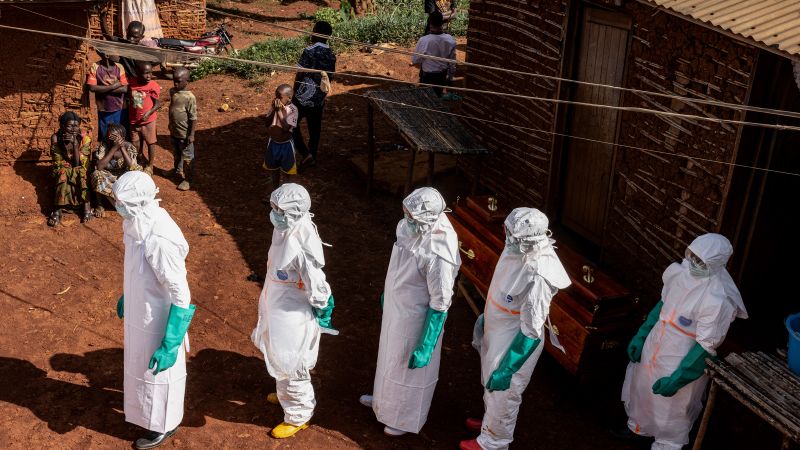
Despite its potency, the Ebola virus is not as easily transmitted as diseases like measles or COVID-19. Transmission typically occurs through direct contact with bodily fluids of an infected person, especially during the symptomatic phase when viral loads are highest. This makes healthcare workers, family caregivers, and those handling the remains of deceased individuals particularly at risk. Notably, the current outbreak has disproportionately affected women aged 20 to 39, a demographic shift that adds complexity to the response efforts. The role of cultural practices, such as the burning of coffins during funerals, has been identified as a significant factor in accelerating the spread of the virus.
The WHO and CDC are closely monitoring the outbreak, with models predicting that the number of cases could surge to 100 or even 200 by late May if containment measures remain insufficient. This projection underscores the need for immediate action, including the isolation of infected individuals and the implementation of strict hygiene protocols. In comparison to the 2014-2016 West African epidemic, which resulted in over 28,000 cases and 11,000 deaths, the current situation remains manageable but requires sustained vigilance.
Challenges in Containment and Resource Allocation
Conditions in remote areas like Mongbwalu, where the outbreak began, remain challenging. Limited healthcare infrastructure, coupled with shortages of personal protective equipment (PPE), has hindered efforts to isolate and treat patients effectively. During a recent CNN event, Dr. Jay Bhattacharya of the CDC emphasized that even small lapses in PPE, such as exposed nails, can lead to new infections. Contact tracing, a cornerstone of outbreak control, is further complicated by delays in identifying cases and isolating them promptly. These factors highlight the delicate balance between public health measures and the practical realities of resource distribution.
International aid has been instrumental in improving medical facilities, but challenges persist. Hospitals in the DRC continue to face overcrowding and a lack of essential supplies, which can increase the risk of healthcare workers contracting the virus. The situation in Uganda, where the outbreak has also taken hold, is similarly complex. Both countries are working closely with global health agencies to implement targeted interventions, including community education and enhanced surveillance systems. The success of these efforts will depend on a coordinated response and the willingness of local populations to adopt preventive measures.
5 things to know about Ebola include its ability to spread rapidly in the absence of effective containment, the critical role of early detection, and the unique challenges posed by different strains. The outbreak in the DRC serves as a reminder of the virus’s potential to cause widespread devastation if not addressed promptly. By understanding these key factors, stakeholders can better prepare for future outbreaks and strengthen global health systems to respond more effectively.