
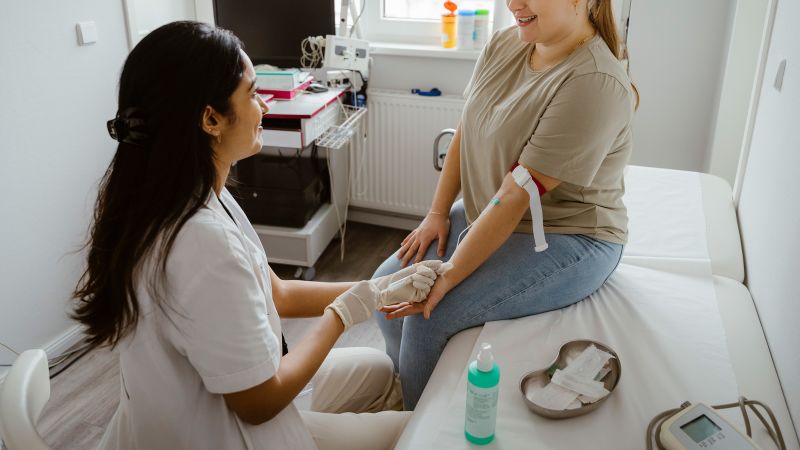
More Than 25% of Gen Z Patients Lack Primary Care Doctors – Experts Highlight the Cost of Delayed Care
Gen Z and Young Adults Embrace Digital Health Alternatives
Qwenews.com – More than 25% of Gen Z patients, defined as individuals aged 18 to 29, are avoiding traditional primary care doctors, according to a recent national survey by the Ohio State University Wexner Medical Center. The findings, released June 29, reveal that over 25% of this demographic do not have a regular provider, with many opting for urgent care clinics or relying on online resources instead. This trend is raising concerns among healthcare professionals, who warn that skipping routine checkups can lead to undiagnosed conditions and preventable health complications.
The survey, which included 1,006 participants, underscores a generational shift in healthcare preferences. While 97% of adults aged 65 and above reported having a primary care doctor, only 71% of younger adults shared the same sentiment. This disparity highlights the growing reliance on digital tools and convenience-driven care options, such as telemedicine or walk-in clinics, which may not replace the comprehensive benefits of long-term physician relationships. Experts suggest that this change in behavior is influenced by a combination of cost, accessibility, and skepticism toward traditional healthcare systems.
Challenges in Building Trust and Preventive Care
Dr. Leana Wen, an emergency physician and clinical associate professor at George Washington University, pointed to the role of social media and AI in shaping health decisions. “Gen Z is more likely to seek information from online platforms or apps, which can be both empowering and overwhelming,” she said. Annual wellness visits, she explained, are critical for preventive care, allowing doctors to identify early signs of chronic conditions and tailor treatments to individual needs. However, many young adults view these checkups as unnecessary unless symptoms are severe, potentially missing opportunities for proactive health management.
Dr. Russell Phillips, a senior adviser on innovation in primary care at Beth Israel Deaconess Medical Center, emphasized that the lack of a consistent provider can disrupt the continuity of care. “A trusted relationship with a physician helps in understanding personal health trends and managing chronic or complex conditions,” Phillips noted. The survey found that 36% of Gen Zers prefer urgent care clinics for non-emergency health concerns, a preference that may reflect a desire for faster, more affordable service but also a reduced emphasis on preventive care. This shift could have long-term consequences, especially as the onset of certain diseases is increasingly linked to younger age groups.
Gen Z’s Health Priorities and Risk Perception
Young adults are often less inclined to prioritize annual checkups, as they may perceive fewer immediate health risks compared to older generations. For example, cardiovascular and neurodegenerative diseases, which are more prevalent in older adults, are seen as less likely to affect younger individuals. However, this mindset may overlook the rising incidence of conditions like colon cancer, which now begins screening at age 45 for those with family histories. Dr. Zachary Bittinger, a family medicine physician at Ohio State University Wexner Medical Center, highlighted that “Gen Z’s perception of health risks is evolving, but their access to timely care remains a challenge.”
Bittinger also noted that the digital age has reshaped how young people interact with health information. While online resources offer convenience, they can sometimes lead to over-reliance on self-diagnosis or misinformation. “Many Gen Z patients turn to forums or apps for health advice before consulting a doctor,” he explained. “This can be beneficial, but it also means they may delay seeking professional care until symptoms become more severe.” The survey aligns with this observation, showing that a significant portion of young adults are delaying treatment until emergencies arise, which increases healthcare costs and reduces quality of life.
Real-Life Consequences of Delayed Care
Personal stories further illustrate the impact of skipping regular medical checkups. Olive Hall, a 27-year-old Las Vegas resident, spent six years switching between seven primary care providers before receiving an accurate diagnosis for postural orthostatic tachycardia syndrome (POTS), a condition affecting blood pressure and heart rate. “I was dismissed for months, told my symptoms were just stress,” Hall said. “By the time I found the right specialist, my health had deteriorated significantly.” Such experiences are common among young adults with chronic illnesses, who often feel their concerns are not adequately addressed in the absence of a consistent provider.
“If we have an initial visit or two with someone and still feel uncertain about their communication style, it’s acceptable to seek a new provider,” Bittinger added. “Sometimes, trusted friends or family members can help ensure the right match for our needs.”
This sentiment reflects a broader trend: Gen Zers are more willing to change providers if they feel their needs aren’t met, but this can lead to fragmented care and missed opportunities for early intervention. The survey suggests that while young adults are proactive in some ways, their approach to healthcare is increasingly transactional, prioritizing speed and cost over long-term wellness.
Broader Implications for Healthcare Systems
Experts warn that this trend could strain healthcare systems, as younger patients may require more intensive treatments later in life. Without regular checkups, conditions that could be managed with early intervention, such as hypertension or diabetes, may progress to more severe stages, necessitating higher medical costs and longer recovery times. The Ohio State survey highlights that the average cost of a primary care visit is often a barrier for Gen Z, who face economic pressures like student debt and rising living expenses. These factors contribute to a culture of delayed care, where young adults may feel they can’t afford to visit a doctor for routine concerns.
Toward a Balanced Approach
Despite these challenges, some young adults are finding creative solutions to access care. Telemedicine has become a popular alternative, offering convenience and reducing travel time. However, it may not fully replace the personal connection that comes with in-person visits. Experts encourage Gen Z to maintain a balance between leveraging digital tools and prioritizing preventive care. “It’s important to recognize that while urgent care can handle acute issues, primary care is essential for long-term health,” Wen said. By addressing the root causes of this trend, such as cost and accessibility, healthcare providers can better support Gen Z in maintaining wellness without sacrificing their preferred methods of care.