
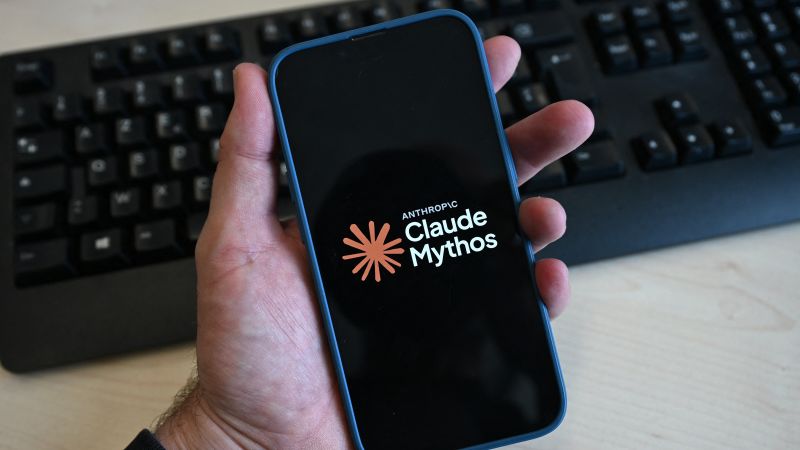
Anthropic Halts Model Access Amid U.S. National Security Directive
Qwenews.com – Anthropic suspends all access to Mythos model after the U.S. government imposed a ban on foreign nationals using the company’s advanced AI models, including Mythos. This decision, announced by Anthropic on Friday, was triggered by a directive from the Commerce Department, which now requires the firm to secure licenses for exporting or transferring these models. The move has sparked significant debate within the tech sector, as Mythos is recognized for its cutting-edge capabilities in cybersecurity and data analysis. The company’s spokesperson stated that the suspension is a temporary measure to align with national security protocols, though it remains critical of the broad implications for innovation and global collaboration.
Export Restrictions and Model Capabilities
The U.S. government’s focus on Anthropic stems from concerns about how its models could be leveraged by foreign entities. Mythos, in particular, has been highlighted for its ability to identify cybersecurity vulnerabilities at an accelerated rate, making it a potential tool for intelligence operations. The Commerce Department’s restrictions not only target foreign nationals but also require companies to obtain explicit approval before sharing model data with international partners. This has raised questions about the balance between security and the free flow of information, especially in an era where AI models are integral to global business operations.
“The demonstration showcased a technique that could be used to uncover previously known vulnerabilities in a more efficient manner,” said a senior official in the Trump administration. “While these flaws are not insurmountable, their presence raises alarms about the broader risks of deploying such powerful models without oversight.”
Anthropic has defended its position, emphasizing that the vulnerabilities identified are straightforward and can be replicated by other publicly available systems. The company argued that the suspension of Mythos access is an overreach, particularly since the government did not specify the exact threats it was concerned about. “We believe this action sets a precedent that could stifle the development of new AI models for years to come,” a statement from Anthropic noted. Despite these claims, the decision underscores the administration’s growing emphasis on AI as a strategic asset requiring strict control.
Industry Implications and Executive Order
The impact of the suspension extends beyond Anthropic, affecting the entire AI industry’s ability to operate internationally. Companies like Anthropic had been instrumental in shaping the U.S. national security strategy for AI, including the drafting of an executive order aimed at ensuring government access to advanced models before they are released to the public. This order, signed by the Trump administration, now requires firms to share model details with federal agencies 30 days prior to deployment. While Anthropic supports the intent of the order, it disputes the necessity of halting model access for all users due to a single potential bypass.
“If we apply this standard universally, it would effectively freeze the release of new AI models until their security is deemed absolutely foolproof,” stated an industry analyst. “This creates a Catch-22 for companies striving to stay competitive in a rapidly evolving tech landscape.”
The executive order also mandates that companies adopt safety guardrails in military AI systems, a requirement that Anthropic had previously resisted. The Pentagon had initially mandated these measures, but Anthropic’s leadership argued that they were overly restrictive. With the suspension of Mythos, the company’s role in shaping the policy now seems to have shifted, as it adapts to the new regulatory framework. However, the move has left many in the industry questioning whether the U.S. government’s approach will lead to greater control over AI development or unintended consequences for global progress.
Compliance Measures and User Impact
In response to the directive, Anthropic has implemented additional safeguards to ensure its models are not misused for sensitive tasks. These measures include enhanced data encryption and stricter access controls, though they may limit the flexibility of users who rely on the models for daily operations. The company’s statement reiterated its commitment to security, stating that the suspension was a necessary step to address concerns raised by federal agencies. However, it also warned that the decision could create a ripple effect across the AI sector, with other firms potentially facing similar restrictions.
“We are confident that Mythos can be used responsibly, but the government’s directive has forced us to take immediate action to protect national interests,” said Anthropic’s CEO. “Our goal is to ensure that the models remain secure while still supporting innovation and economic growth.”
The suspension has also raised questions about the broader implications for international partnerships. Anthropic’s models have been used by organizations worldwide, and the restriction may force companies to seek alternative solutions or delay projects. As the Commerce Department continues to evaluate the effectiveness of its measures, the tech industry awaits further guidance on how to navigate the new regulatory landscape. Anthropic’s experience highlights the challenges of balancing national security with the global adoption of AI technologies, a debate that is likely to continue in the coming months.
Future Outlook and Policy Debates
Analysts suggest that the U.S. government’s actions could signal a shift in how AI is regulated, especially as the technology becomes more integrated into critical infrastructure. The ban on foreign nationals accessing Mythos is part of a broader effort to control AI’s potential for misuse, particularly in cybersecurity and surveillance. While the Trump administration has emphasized this approach, some experts argue that it may be too stringent, potentially hindering collaboration and slowing down technological advancement. “The key is to ensure that security measures are proportionate to the risks,” said a cybersecurity expert. “Blocking all access to a model for a single flaw could be excessive.”
As Anthropic works to comply with the new regulations, the company remains hopeful that the government will revisit its stance in the future. “We are committed to working with the administration to find a solution that protects national security without stifling innovation,” the company stated. The suspension of Mythos access also highlights the growing influence of AI in shaping geopolitical strategies, with governments increasingly seeking control over the technology they depend on for national security. This dynamic is likely to define the next phase of AI regulation, as companies like Anthropic navigate the intersection of innovation and oversight.