
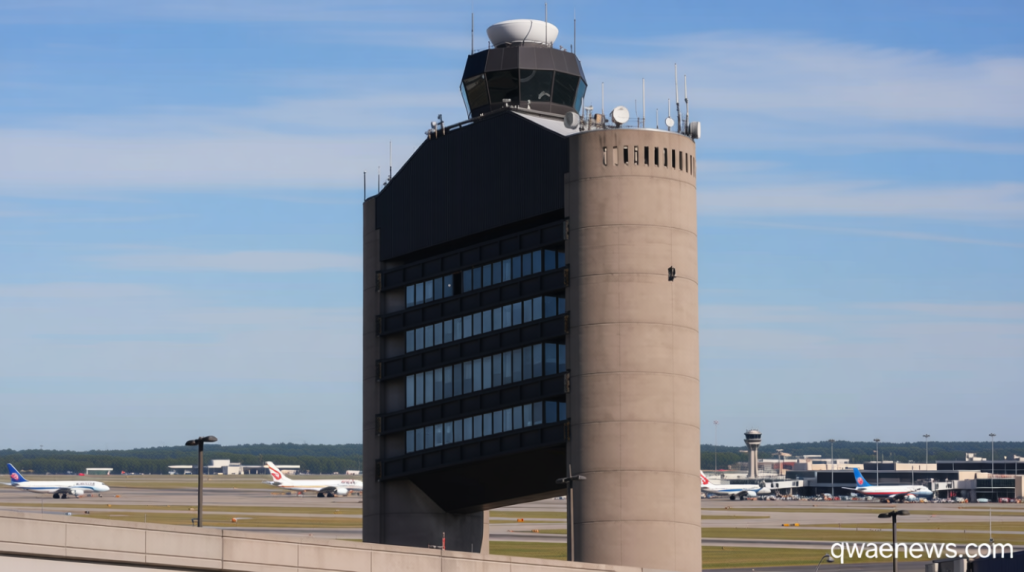
Two Planes Nearly Collided in Boston: NTSB Preliminary Findings Reveal Critical Errors
Qwenews.com – Two planes nearly collided in Boston on a busy summer day when a combination of technical malfunctions and human error created a dangerous situation at Logan International Airport. According to a preliminary report released by the National Transportation Safety Board, the incident involved two commercial aircraft carrying a combined total of 318 passengers and crew members on June 20, 2026.
What Happened During the Close Call
The sequence of events began when Delta Air Lines Flight 2351, operating a Boeing 737 aircraft, received authorization to land on runway 33L. The Delta jet was following behind a smaller aircraft that had already landed. However, just over sixty seconds later, before the Delta plane touched down, American Airlines Flight 3161—an Airbus A319—received clearance to depart on the intersecting runway 27.
The American aircraft began its takeoff roll but came to an abrupt halt after eight seconds when the cockpit displayed an error notification. Following a thorough systems check, the crew concluded the alert was spurious and resumed acceleration twenty-three seconds later, heading directly toward the intersection where the Delta plane was still approaching for landing.
Meanwhile, the Delta pilots spotted the potential conflict and aborted their landing, circling the airport before executing a safe touchdown. The American crew observed the other aircraft maneuvering away and proceeded with their departure without further incident.
Controller’s Moment of Confusion
According to the NTSB investigation, the air traffic controller had noticed the American flight beginning its takeoff roll but then shifted focus to the smaller aircraft, ensuring it cleared the path for the incoming Delta plane. When an anti-collision alarm triggered in the control tower, the Delta pilots had already initiated evasive maneuvers to avoid a potential disaster.
The controller later admitted to feeling disoriented because the small plane was moving out of the way as expected, creating confusion about which aircraft had been cleared for departure. Typically, the controller tilts paper flight strips to indicate which aircraft have been cleared for takeoff. However, American’s strip remained flat, leading to the critical misunderstanding.
Air traffic control recordings captured the revealing exchange between the controller and the American Airlines pilot:
“American 3161 where are you going?”
“You cleared us to take off,” the pilot responded.
Technical Factors Played a Role
Several technical issues contributed to the dangerous situation. Neither aircraft’s cockpit generated a collision warning during the close call, which could have alerted both crews to the potential danger. Additionally, stoplights that might have alerted the American flight to the developing situation went dark after the small plane landed and failed to reactivate until the Delta aircraft was on its final approach.
The timing of these technical failures created a perfect storm of confusion. The American aircraft’s error notification, while ultimately determined to be false, caused the critical pause that allowed the Delta plane to approach the intersection while the American jet was still accelerating for takeoff.
Investigation and Recovery
The cockpit voice recorders, which store only the most recent two hours of audio, had already overwritten the critical conversations by the time investigators requested them. This limitation meant that some key details about the controller’s thought process and the exact timing of communications were lost.
Flight data recorders, capable of longer recording periods, successfully captured system information from the moment of the incident and are currently under review by NTSB investigators. The board expects to complete its investigation and determine the probable cause within one to two years.
This incident involving two planes nearly collided in Boston serves as a reminder of how multiple small errors can combine to create serious safety concerns in aviation. The preliminary findings highlight the importance of both human vigilance and reliable technical systems in preventing future incidents at busy airports like Logan International.