
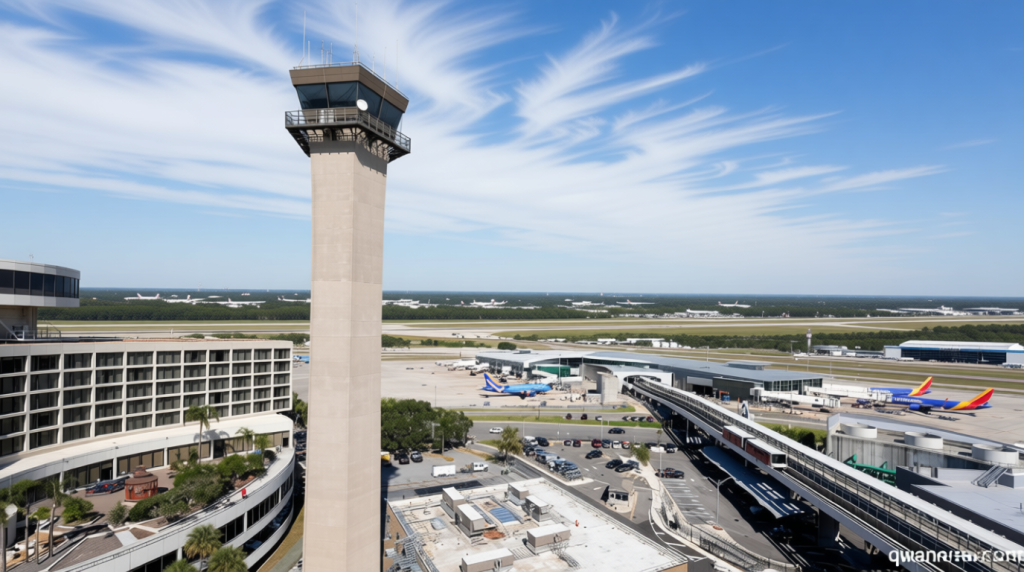
TSA Security Privatization Launches at Tampa International Airport
Qwenews.com – Under a new federal initiative, TSA security operations at Tampa International Airport will undergo privatization, marking a significant shift in how airport screening is managed. This move aligns with the White House’s broader budget plan to streamline government services by outsourcing responsibilities to private contractors. The program, called TSA Gold+, is set to begin in May 2027, with the airport confirming its participation through a statement released to CNN. The decision reflects a growing trend toward private management in aviation security, aiming to modernize processes and reduce reliance on federal funding. While the TSA will maintain oversight, the day-to-day operations will be handled by external firms, introducing a new dynamic for both staff and travelers.
Program Structure and Key Changes
The TSA Gold+ program is designed to allow airports to manage their security checkpoints independently, with private companies handling staffing, technology, and daily operations. This approach is voluntary, and participating airports must apply for inclusion in the initiative. The goal is to improve efficiency, reduce costs, and enhance flexibility in responding to security challenges. In Tampa, this transition will affect approximately 400 TSA officers, who will now be employed by private firms rather than the federal agency. The White House estimates the program could save $52 million annually, emphasizing its role in “reforming a troubled federal agency.” However, critics argue that the privatization may prioritize cost-cutting over employee benefits and passenger safety.
“The decision to privatize security at Tampa International Airport represents a bold step toward modernizing the TSA’s operations,” said Adam Stahl, acting TSA deputy administrator, during a recent town hall meeting. “This program will provide airports with greater autonomy to adapt to evolving threats and traveler needs.”
Under the new model, TSA officers will be given priority for job assignments when a private contractor is selected, ensuring a smooth transition. The program also allows airports to retain control over their security infrastructure, enabling them to invest in advanced technologies and training programs. While the TSA maintains oversight, the role of federal personnel will shift from direct management to monitoring performance standards and compliance with security protocols. This structure is expected to reduce bureaucratic delays and improve response times during high-traffic periods or emergencies.
Public and Employee Reactions
The announcement has sparked mixed reactions from both the public and TSA employees. Some travelers welcome the potential for faster security lines and more efficient services, while others express concerns about the reliability of private contractors. “I’m worried about the quality of service,” said a local airline passenger, citing past experiences with inconsistent screening during government shutdowns. “If the TSA isn’t there to ensure standards, who will?”
On the other hand, TSA officers in Tampa have voiced apprehension about the change. Many fear that privatization could lead to reduced job security, lower wages, or less investment in training. “Some employees were sad, some were crying, and others were visibly upset,” noted a TSA employee during a staff meeting. “Others put in their retirement paperwork right away.” The American Federation of Government Employees (AFGE), which represents 47,000 TSA officers nationwide, has criticized the move, linking it to the Trump administration’s push to demonstrate TSA’s “mission failure.” The union argues that privatization risks undermining the agency’s ability to prioritize security over profit margins.
“It has nothing to do with your security or your safety. It has everything to do with somebody making a profit,” Johnny Jones, AFGE TSA Council 100 secretary treasurer, said earlier this year. “We’re concerned that private firms will cut costs in ways that compromise passenger safety.”
The program also introduces a new competitive landscape, with airports encouraged to choose contractors that align with their operational goals. While the TSA Gold+ initiative is part of a larger strategy to reduce federal spending, it has raised questions about long-term implications for the agency. Critics argue that privatization may weaken the TSA’s role in national security, especially as it transitions from a centralized model to one that relies on external providers. However, supporters believe the change will foster innovation and better serve the needs of the traveling public.
Broader Implications and Future Outlook
The privatization of TSA security at Tampa International Airport is part of a wider effort to reshape the federal agency’s operations. The initiative builds on the existing Screening Partnership Program, which has been implemented at 20 airports, including San Francisco International, Kansas City International, and Orlando Sanford International. These airports have reported improvements in efficiency and cost savings, though they also face challenges in maintaining consistent standards. The White House’s push for privatization is seen as a way to reduce the TSA’s budget deficit and streamline its processes, particularly after years of criticism over delays and operational inefficiencies.
As the program rolls out, the focus will be on how it balances cost-effectiveness with security reliability. The TSA has committed to working closely with participating airports to ensure a seamless transition, but the long-term success of the initiative will depend on the performance of private contractors. The move also signals a potential shift in how federal agencies handle critical services, with privatization becoming a more prominent strategy. For Tampa International Airport, this change could set a precedent for other airports across the country, influencing the future of aviation security in the United States.