
Chili’s Revives Classic Aesthetic to Reconnect with Roots
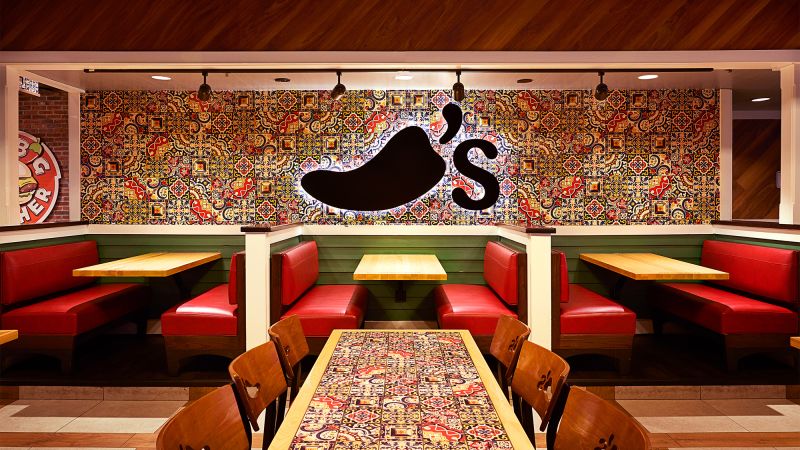
Qwenews.com – Chili’s is embracing its heritage as it revamps its dining spaces, blending vintage elements with modern convenience. Red leather booths, once a hallmark of the chain in the 1990s, are making a comeback. The colorful tile tables, now grout-free for easier maintenance, and walls featuring original 1975 menus with prices that closely mirror today’s standards are among the retro touches. This nostalgic approach is central to the restaurant’s new identity, launched in Dallas—its birthplace over five decades ago.
CEO Kevin Hochman’s Vision for Renewal
Kevin Hochman, CEO of Brinker International and Chili’s president, shared his strategy during a June interview, served with freshly made chips and salsa. “Our goal is to make Chili’s more Chili’s,” he explained. The plan involves gradually updating 10% of Chili’s 1,200 U.S. locations annually starting next year, a move designed to sustain growth after 20 straight quarters of rising same-store sales and customer traffic.
“These brands are so big. Chili’s is 50 years old, and they don’t get there by accident. It’s because there’s things about them that people grew up with that made them really, really special, whether it was the margaritas or the fajitas or the tile tables.”
Reimagining the Dining Experience
The redesign aims to transform the atmosphere, moving from a defensive strategy of maintaining comfort to an offensive one of enhancing appeal. Hochman emphasized that the renovations are a natural progression after years of investing in infrastructure, such as roof repairs and equipment upgrades. The new look includes Southwestern tiles on the exterior and a vintage “Welcome to Chili’s” sign crafted by the artist who once decorated the original Dallas location. A redesigned bar also showcases the chain’s signature margaritas.
Learning from Past Challenges
While retro designs can boost foot traffic, there are risks. Hochman referenced Cracker Barrel’s recent struggle with a modernized interior and logo, which initially alienated some customers. “We’re not just restoring the look, but ensuring it resonates with today’s diners,” he noted. The company has already tested the concept in four Dallas-area locations, though specific traffic results remain undisclosed. Feedback from founder Larry Levine was also incorporated into the redesign.
Value-Driven Growth and Menu Innovations
Chili’s success during a broader dining slowdown is attributed to its focus on affordability and quality. The chain now ranks as the second-largest casual-dining brand by revenue, according to Technomic, with average guest checks under $3 to $4—significantly lower than competitors. Hochman highlighted menu simplification, which cut wait times, and promotional strategies like the “3 for Me” value meals, featuring an appetizer, entree, and drink for $10.99. The “Triple Dipper” appetizer, a viral TikTok hit, exemplifies this approach.
Competing with Fast-Food Rivals
In the kitchen, Hochman unveiled another attempt to challenge fast-food competitors: the Big Crispy chicken sandwich. It joins previous creations like the QP (a replica of McDonald’s Quarter Pounder) and the Big Smasher (a nod to the Big Mac), both sold with chips and a drink in value meals. These items have driven nearly 50% revenue growth since 2022, proving the effectiveness of blending nostalgia with innovation. Hochman’s strategy underscores the belief that fundamentals—like quality food and reasonable prices—remain the key to standing out in a crowded market.