
Egypt uncovers lost Byzantine-era city in the western desert
Qwenews.com – Recent archaeological breakthroughs in Egypt have revealed the existence of a previously unknown Byzantine-era city buried deep within the western desert. The site, located in the Dakhla Oasis, is part of the broader New Valley region and has been identified as a well-preserved residential settlement dating back to the fourth century. This discovery, which includes a grid-like city layout and remnants of a basilica church, has generated significant excitement among historians and archaeologists. The Egyptian Ministry of Antiquities highlighted the importance of the find, emphasizing its potential to enhance the country’s tourism appeal and showcase its rich historical legacy. As part of its ongoing efforts to revitalize the sector, Egypt continues to uncover sites that provide invaluable insights into ancient civilizations, including this newly discovered Byzantine-era city.
Byzantine Settlement and Architectural Significance
The Byzantine-era city in the Dakhla Oasis has been described as a remarkable example of early urban planning in the region. Archaeologists have identified a structured network of north-south and east-west roads, creating open plazas and communal areas that suggest organized civic life. Central to the site is a mid-fourth-century basilica church, which may have served as a religious and administrative hub. Surrounding the church are remnants of two defensive watchtowers, fortified walls, and residential buildings, indicating that the settlement was both a spiritual center and a fortified community. These findings, which include a house church linked to a deacon named Tisous, offer a tangible connection to the cultural and religious practices of the time.
“The presence of a house church predating the basilica suggests a layered history of religious development in the area,” explained Mahmoud Massoud, who led the excavation team.
This insight underscores the site’s role as a crossroads of faith and daily life, with artifacts such as bronze coins bearing emperor portraits, Latin inscriptions, and Christian iconography further supporting its historical context. The discovery of gold coins from the reign of Roman Emperor Constantius II (337–361) also highlights the city’s economic ties to the broader Roman Empire, providing a unique glimpse into the material culture of the period.
Marina el-Alamein and the Golden Tongue Tombs
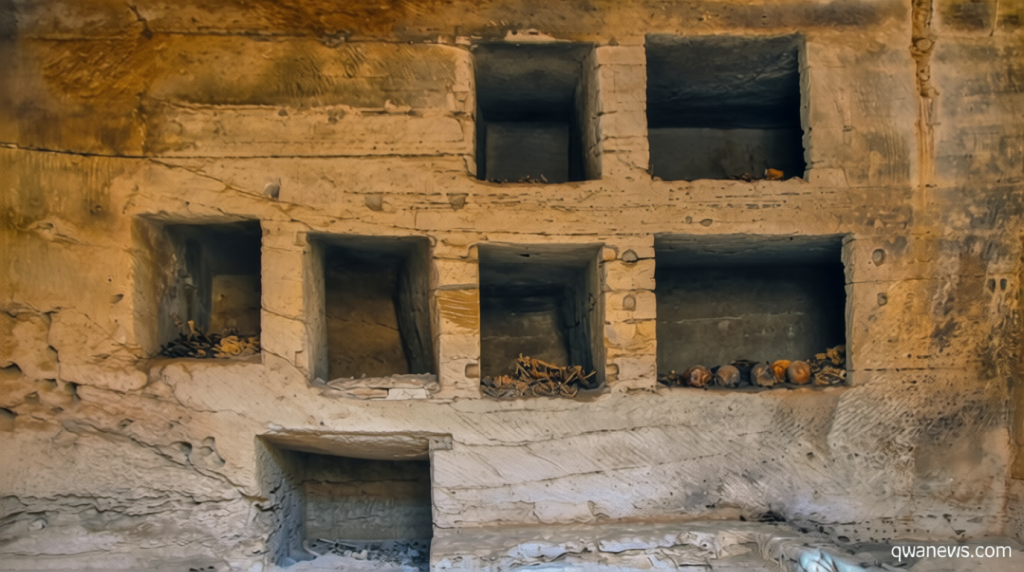
Complementing the Dakhla Oasis discovery is the recent unearthing of 18 tombs at the Marina el-Alamein site near Alexandria. This location, which is believed to have once been the Greco-Roman port city of Leukaspis, has yielded a total of 48 tombs since its initial excavation in 1986. Among the artifacts recovered are pottery vessels, altars, and a granite sarcophagus measuring 2.5 meters in length. Notably, some tombs feature gold coins placed in the mouths of the deceased, a practice known as “the golden tongue.” This ritual, associated with ensuring the deceased’s ability to speak in the afterlife, aligns with burial customs of the fourth century and adds to the site’s historical intrigue.
“The tombs at Marina el-Alamein provide a fascinating window into the funerary practices of the time,” remarked Diaa Zahran, director of the Islamic, Coptic, and Jewish Antiquities department.
These findings, alongside the Dakhla Oasis city, contribute to Egypt’s growing list of Byzantine-era sites, reinforcing the nation’s status as a key destination for ancient history enthusiasts. The combination of residential and funerary remains offers a comprehensive view of life and death in the region, bridging the gap between daily existence and spiritual beliefs.
Preservation and Future Prospects
The preservation of the Dakhla Oasis city is particularly noteworthy, as it reflects the enduring nature of ancient structures in Egypt’s arid climate. Archaeologists have noted that the site’s intact condition allows for detailed study of its architectural design, which may have been influenced by both Roman and early Christian traditions. The discovery of bread ovens, kitchens, and stone grinding tools further illustrates the settlement’s role in sustaining its population through agricultural and artisanal activities. These findings are expected to attract increased scholarly interest and public attention, potentially positioning the site as a major archaeological attraction in the future.
As Egypt continues to expand its archaeological efforts, the focus on Byzantine-era sites like the Dakhla Oasis city and Marina el-Alamein underscores the country’s commitment to preserving its ancient heritage. With the tourism sector recovering from years of political instability and the lingering effects of the coronavirus pandemic, such discoveries are vital in rekindling interest in Egypt’s historical narratives. The ministry has already begun plans to promote these sites as part of a broader strategy to attract both domestic and international visitors, highlighting the economic and cultural importance of ancient history in shaping Egypt’s national identity.
Historical Context and UNESCO Recognition
The Dakhla Oasis, already on UNESCO’s Tentative List, has gained additional significance with the discovery of this Byzantine-era city. The site’s inclusion in the list reflects its potential to contribute to the global understanding of ancient civilizations and their interactions. The artifacts and structures uncovered at the location provide concrete evidence of the region’s role in the Byzantine world, offering new perspectives on trade, religion, and daily life. As researchers analyze the findings, they anticipate further revelations that could redefine historical timelines and deepen the connection between modern Egypt and its ancient past.
With over 200 pottery fragments recovered from the site, including inscriptions that detail commercial transactions and personal correspondence, the Dakhla Oasis city is emerging as a treasure trove of historical data. These writings, combined with other artifacts, paint a vivid picture of the settlement’s economic and social dynamics. The ongoing excavation efforts in Egypt’s western desert not only highlight the country’s rich archaeological heritage but also demonstrate its capacity to uncover new chapters in the story of human civilization. As the Byzantine-era city becomes more widely recognized, it is poised to become a focal point for both academic research and public engagement in the preservation of ancient history.