
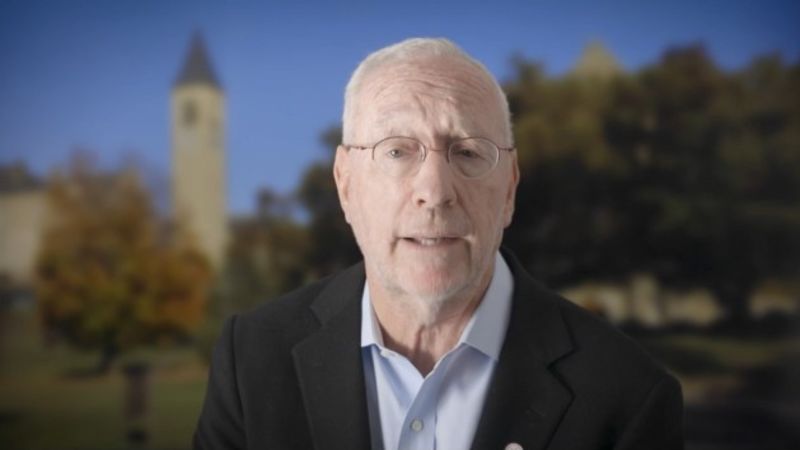
Cornell President Addresses Sexual Assault Case
Qwenews.com – Cornell president breaks silence amid renewed criticism of the university’s handling of a sexual assault allegation involving a student publicly identified as Jane Doe. The case centers on her account that she was assaulted by several men at the Chi Phi fraternity house in October 2024.
Questions have focused on the evidence gathered by Cornell police, the material provided to the Tompkins County District Attorney’s Office, and the differences between Jane Doe’s initial report, later sworn statement, and subsequent accounts.
Initial Report and Later Evidence
Records tied to the first campus-police report state that Jane Doe said she had been raped by “8-10 men” at the fraternity house. That description was documented when she contacted authorities but was not included in the six-page sworn statement later given to prosecutors.
The events began on October 19, 2024. Evidence considered during Cornell’s process included Snapchat conversations, witness interviews, phone recordings, and other material related to the night at the fraternity house. Snapchat images showed Jane Doe in a room at the house during the period in which she said the assault occurred.
Her account changed as she processed what happened in the weeks afterward. The material reviewed by the university reflected her evolving understanding of the events and the allegations she later raised.
Dispute Over What Prosecutors Received
Cornell initially said its police department investigated the allegations and provided all investigative material to the district attorney’s office. The university later revised that statement, saying campus police had supplied Jane Doe’s sworn statement and a Snapchat screenshot.
Records indicate Cornell police continued collecting information after prosecutors received the six-page statement, including additional interviews and chat messages. On November 25, 2024, a Cornell investigator contacted a member of the district attorney’s staff to discuss whether further evidence would be reviewed.
A police note said the prosecutor’s office did not seek the additional material because it had already decided not to pursue criminal charges based on Jane Doe’s statement. District Attorney Van Houten said the charging decision rested on that document and that his office had access to some Snapchat messages from a group chat called “Chi Phi Actives.”
University Review Examined Dozens of Interviews
A heavily redacted, 99-page summary of Cornell’s disciplinary-panel decision describes evidence reviewed during the university process. The panel considered more than 50 interviews, including interviews with six of the seven men accused in the case.
The records indicate Jane Doe later described allegations and used language that did not appear in the statement provided to prosecutors. That statement described her being hit and feeling emotionally pressured, while omitting some of the more explicit rape allegations she later made.
Three weeks after the incident, Jane Doe asked the fraternity member who invited her to the house how the other men entered the room.
“Do you remember how any of these guys walked in?”
He said the door had been unlocked, the party was crowded, and there was nowhere else to go. Jane Doe later told him that pursuing the matter could result in the conduct being classified as gang rape.
“If I wanted to take this somewhere, what y’all did would be classified as gang rape.”
Why Cornell’s Response Remains Under Scrutiny
Cornell president breaks silence amid public debate over the university’s disclosure of evidence and its response to the allegations. The absence of criminal charges has not ended questions about whether investigators and prosecutors had access to the full available record.
The case also highlights the separate roles of campus disciplinary proceedings and the criminal justice system. Cornell’s review considered a broad body of evidence, while prosecutors based their decision on the information they said was available and relevant to their assessment.
FAQ: Cornell Sexual Assault Case
Why did Cornell revise its statement about evidence shared with prosecutors?
Cornell initially said all investigative material had been provided to the district attorney’s office. It later said campus police provided Jane Doe’s sworn statement and a Snapchat screenshot.
Were criminal charges filed in Tompkins County?
No criminal charges were pursued. The district attorney said the decision was based on Jane Doe’s six-page sworn statement.
What did Cornell’s disciplinary panel review?
The panel reviewed a redacted 99-page case summary, more than 50 interviews, and evidence including messages, recordings, and other materials connected to the allegations.