
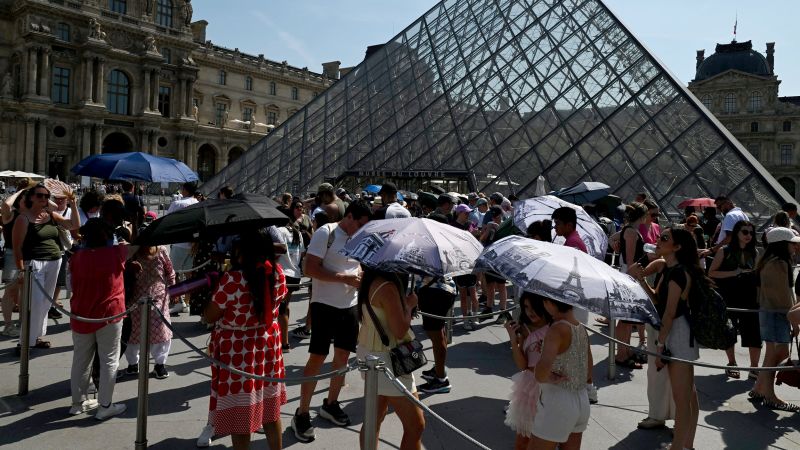
The Dream European Vacation Is Under Siege This Summer—But It’s Not All Bad
Qwenews.com – Travelers across Europe are grappling with unprecedented challenges this summer as the dream European vacation is under pressure from logistical hurdles and shifting priorities. While once the primary concern was overtourism straining local resources, the current focus has shifted to navigating disruptions in transportation and health protocols. The summer season, typically synonymous with seamless travel, now demands greater adaptability. As global events continue to ripple through the travel landscape, experts suggest that the dream European vacation is under a new kind of scrutiny—one that balances the excitement of exploration with the reality of unforeseen obstacles.
Fuel Shortages and Airline Adjustments
The European travel industry is facing a significant challenge from fuel shortages, which have impacted flight schedules and increased travel costs. In May alone, over 13,000 flights were canceled globally, according to Cirium, an aviation data firm. However, analysts like Denton Cinquegrana of Dow Jones Energy reassure that the situation is being managed effectively. “Refiners and suppliers have made strategic adjustments, and airlines have reduced demand,” he explains. “This is a coordinated effort to stabilize fuel flows.” Despite these measures, Cinquegrana acknowledges that a major shortage could still arise if negotiations with key suppliers falter. “It’ll take four months after the Strait of Hormuz reopening to see supplies normalize,” he adds. “Fuel prices have eased from their April peak of $122.50 per barrel to $75, but they remain high.”
“Airlines are now adopting hedging strategies to secure fuel at fixed rates, which should help cushion the impact of price fluctuations,” Cinquegrana notes. “This summer’s challenges are temporary, but they highlight the need for contingency planning in the travel sector.”
Traveler Adaptation and Destination Resilience
In response to these challenges, travelers are recalibrating their plans to prioritize destinations with greater stability. Spain, for instance, has emerged as a resilient choice due to its self-sufficient oil refineries, offering a buffer against fuel shortages compared to countries like Italy or France. Travel experts recommend focusing on major hubs like Rome or Madrid, which are better equipped to handle unexpected disruptions. “Using trains or ferries for local travel can reduce dependency on flights, especially in regions where air routes are more vulnerable,” says Cinquegrana. This shift in strategy not only mitigates risks but also opens up new opportunities for those willing to think creatively about their travel routes.
Health Precautions and Travel Flexibility
Health concerns have also taken center stage, influencing how travelers prepare for their trips. Dr. Julie Hammond, a physician who recently embarked on a family vacation to Cape Verde, shares insights into the heightened awareness of health risks. “We worried about the kids, especially with their young ages,” she recalls. “Reports of gastroenteritis outbreaks among tourists made us rethink our approach.” Hammond took meticulous steps to ensure safety, such as disinfecting armrests and screens on the plane and focusing on high-risk areas like hotel bathrooms. “Even glasses were rinsed with boiled water,” she says, emphasizing the lengths some take to stay safe. These precautions reflect a broader trend of cautious planning, with travelers adjusting itineraries to accommodate potential delays or health-related changes.
“The key is to remain flexible,” Hammond advises. “Weather patterns, fuel prices, and health guidelines can all shift rapidly, so having a backup plan is essential.”
While the summer season may not be perfect, it still offers the potential for unforgettable experiences. Experts suggest that the challenges faced this year are part of a larger trend, with travelers learning to navigate a more unpredictable environment. By staying informed and adapting strategies, the dream of a European vacation can still be achieved—even if it requires a bit more preparation. As the season unfolds, the resilience of both travelers and the travel industry will be put to the test, but there remains optimism that the spirit of adventure can prevail.