
Malaysia is Cracking Down on Influencers After Hiking Rescues
Qwenews.com – Malaysia is cracking down on influencers who are driving risky hiking trends across the nation. Following a notable surge in search and rescue operations tied to social media popularity, authorities are implementing stricter regulations for trekkers. According to state media agency Bernama, the updated guidelines mandate guide usage at 189 high-risk sites nationwide and introduce pre-climb screening protocols. This initiative comes as hiking gains momentum in Malaysia, where tropical forests cover nearly half of the country’s landmass, creating challenging conditions with heat and humidity.
New Regulations Target Social Media Hikers
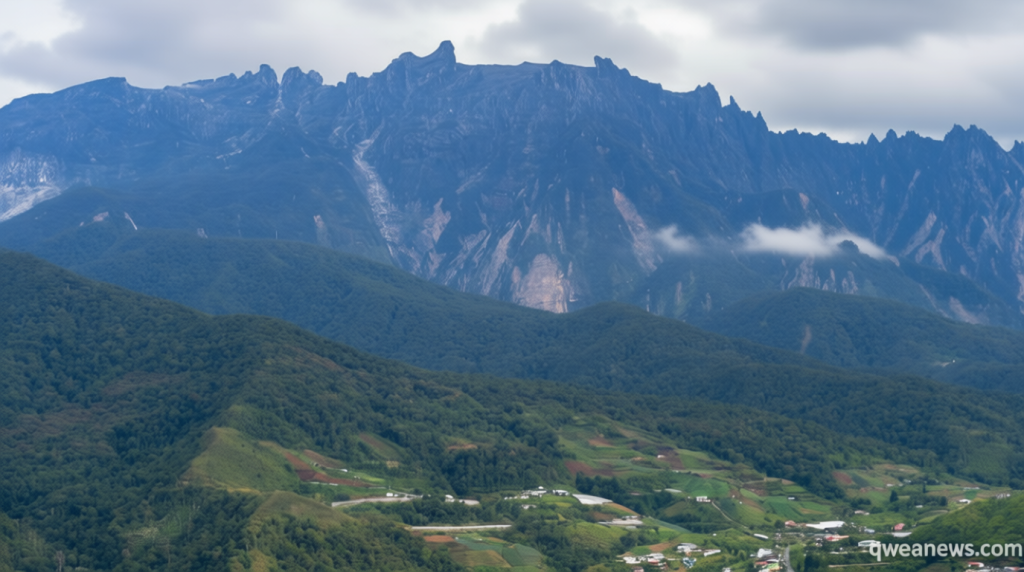
Thick jungle vegetation makes navigation difficult, causing hikers to lose their way when venturing off designated paths. While renowned destinations like 4,095-meter Mount Kinabalu in Borneo and the 2,187-meter Mount Tahan in Gunung Tahan attract serious climbers, urban trekkers also have options such as Penang Hill and KL Forest Eco Park. The Ministry of Natural Resources and Environmental Sustainability (NRES) spearheaded these changes to minimize accident rates and reduce costly rescue missions.
NRES deputy minister Syed Ibrahim Syed Noh explained that several hikers depart unprepared or follow unauthorized trails. “The government’s priority is to reduce the risk of hikers getting lost and prevent accidents, thereby minimizing the need for SAR operations, which require substantial financial resources and manpower,” Noh stated. Pre-climb assessments now encompass health declarations, medical history reviews, and insurance verification to identify high-risk climbers before they begin their ascent.
Compressed Hiking Trend Raises Concerns
Both the Department of Wildlife and National Parks and Perak state’s forestry department have tightened restrictions on “compressed hike” activities following a tragic incident where a 34-year-old hiker lost her life last year. This practice involves completing routes in significantly less time than traditional schedules. Perak Forestry mountain guide Muzafar Mohamad emphasized that shortened hiking periods demand careful preparation. “When hiking time is reduced, the margin for error also becomes smaller. That is why logistical planning, physical fitness and risk management need to be carried out in greater detail,” he noted.
Express hikers motivated by rapid mountain conquests contribute to rising safety concerns. Many carry lightweight equipment to appear as professional trail runners in their social media posts, according to experts interviewed by Bernama. Mountain guide Norimah Abd Karim observed that some hikers prioritize creating engaging content over personal safety. CNN has reached out to Malaysia’s Ministry of Natural Resources and Environmental Sustainability and the Department of Wildlife and National Parks for additional commentary.
“Our approach is aimed at preventing incidents before they occur by reducing the risks of extreme fatigue, disorientation, and other emergencies,” said NRES deputy minister Syed Ibrahim Syed Noh.
Practical Advice for Malaysian Hikers
For those planning to explore Malaysia’s diverse landscapes, experts recommend thorough preparation. Always verify trail conditions before departure and consider hiring certified guides for challenging routes. Ensure your insurance covers emergency evacuation and carry adequate supplies even for shorter treks. Social media enthusiasts should remember that stunning photographs should not come at the expense of safety.
Frequently Asked Questions
Which locations require mandatory guides? Eighteen high-risk locations across Malaysia now require hikers to use certified guides, including portions of Mount Kinabalu and Gunung Tahan trails.
What screening procedures are now mandatory? Pre-climb screenings include health declarations, medical history verification, and proof of adequate insurance coverage for emergency situations.
Why are compressed hikes considered dangerous? Compressed hikes complete routes in approximately one-third of the normal timeframe, reducing the margin for error and increasing exposure to weather changes and fatigue.
How can hikers stay informed about new regulations? Hikers should monitor announcements from the Ministry of Natural Resources and Environmental Sustainability and local forestry departments before planning their adventures.