
Flowers Under Pillows & Naked Rituals: Swedish Midsummer Celebrations
A Timeless Tradition
Qwenews.com – The Swedish Midsummer festival, rooted in ancient pagan customs, is a vibrant celebration of summer that captivates both locals and visitors. Central to the event are the iconic “flowers under pillows” and “naked rituals” that symbolize fertility, joy, and the magic of the solstice. This tradition, held on the summer solstice (June 21 or 22), is deeply embedded in Swedish culture and offers a glimpse into the country’s historical connection to nature and the divine. While the festival spans Nordic and Eastern European nations, Sweden’s version remains uniquely distinctive, blending old-world rituals with modern revelry.
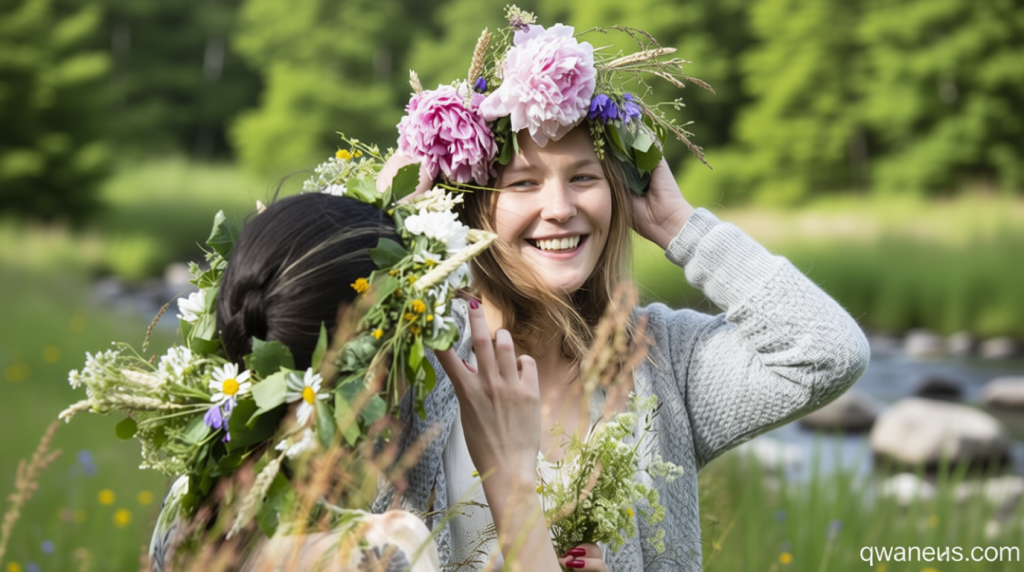
Swedes start preparing months in advance for Midsummer, gathering at summer houses to create a festive atmosphere. The event is not just about dancing and feasting—it’s a communal experience that fosters joy and unity. Among the most anticipated aspects are the maypole dance, the tradition of wearing flower wreaths, and the practice of placing flowers under pillows to predict future love. These elements, often associated with the “naked rituals” of the celebration, are more than mere customs; they are symbolic acts that honor the cyclical rhythms of life and nature.
Historical Roots and Symbolism
Midsummer’s origins date back to pre-Christian times when the Norse believed in the power of the solstice to bridge the mortal and spiritual realms. The festival was dedicated to the sun god, symbolizing the peak of summer and the renewal of life. One of the most enduring symbols, the maypole, represents the axis of the world, connecting the earth to the heavens. The “flowers under pillows” ritual, believed to help young women dream of their future husbands, continues to be a beloved tradition, reflecting the festival’s blend of myth and practicality.
The “naked rituals” of Midsummer are a striking feature, with participants often dancing in the buff to symbolize purity and connection with the natural world. This act, which may seem bold, is rooted in the belief that shedding clothing allows the body to absorb the sun’s energy and the healing properties of the morning dew. Adding to the spectacle, flower wreaths are worn as decorations and later used to infuse Christmas baths, ensuring their symbolic power extends beyond the solstice.
“Every year, the Midsummer festival brings a sense of timeless wonder, where ancient traditions and modern joy intertwine.”
Celebrations Across Sweden
While Midsummer is widely celebrated, the customs vary across regions. In Stockholm, Skansen’s open-air museum brings the festival to life with reenactments of traditional practices. The maypole dance, performed midday on Midsummer’s Eve, is a highlight, with participants swaying in circles and singing folk songs. The “frog dance,” a lively variation of the maypole ritual, involves playful leaps and quacking sounds, offering a whimsical touch to the festivities.
Other parts of Sweden, such as rural areas and coastal towns, host their own unique events. In some regions, the “roasting of the midsummer pig” takes place, a hearty dish that celebrates the abundance of summer. Meanwhile, the “chalice ceremony” involves a symbolic drink to honor the sun god and wish for good fortune. These diverse traditions, from “flowers under pillows” to “naked rituals,” showcase the festival’s adaptability while preserving its core pagan essence.
Midsummer’s Eve: The Heart of the Celebration
Midsummer’s Eve, the day before the solstice, is the pinnacle of the festival. The night is filled with bonfires, songs, and the dancing of “naked rituals” under the stars. Locals gather to share stories, enjoy traditional foods, and participate in games like “jumping over the maypole” or “milling” (a circular dance). The event’s inclusivity is evident in how it brings people of all ages together, from children playing in the grass to elders passing down folklore.
As the sun rises on June 21 or 22, the festival’s energy reaches its peak. The “flowers under pillows” tradition is often practiced in the early morning, with people placing blooms under their beds for dreams of love. These rituals, though simple, carry deep cultural significance, reinforcing the idea that Midsummer is not just a celebration of the sun but of life’s mysteries. The festival’s enduring appeal lies in its ability to connect the past with the present, making it a cherished part of Swedish heritage.
Modern Adaptations and Global Appeal
Despite its ancient origins, Midsummer has evolved to include modern elements that keep it relevant. Today, the festival features everything from themed parties to elaborate decorations, though the core practices of “flowers under pillows” and “naked rituals” remain. Social media has also amplified its reach, allowing people worldwide to experience Sweden’s traditions through virtual celebrations. However, the essence of the event—its connection to nature, fertility, and communal joy—has not faded.
For international visitors, Midsummer offers an immersive opportunity to witness Sweden’s cultural heritage. The festival’s blend of pagan symbolism and festive cheer makes it a unique experience that transcends borders. Whether it’s the maypole dance, the “naked rituals” of the solstice, or the “flowers under pillows” tradition, each element contributes to the event’s allure. As the sun sets on the longest day of the year, the spirit of Midsummer lives on, a testament to Sweden’s enduring love for its roots.