
Trump Weighing Options for Expanding Military Operations in Iran
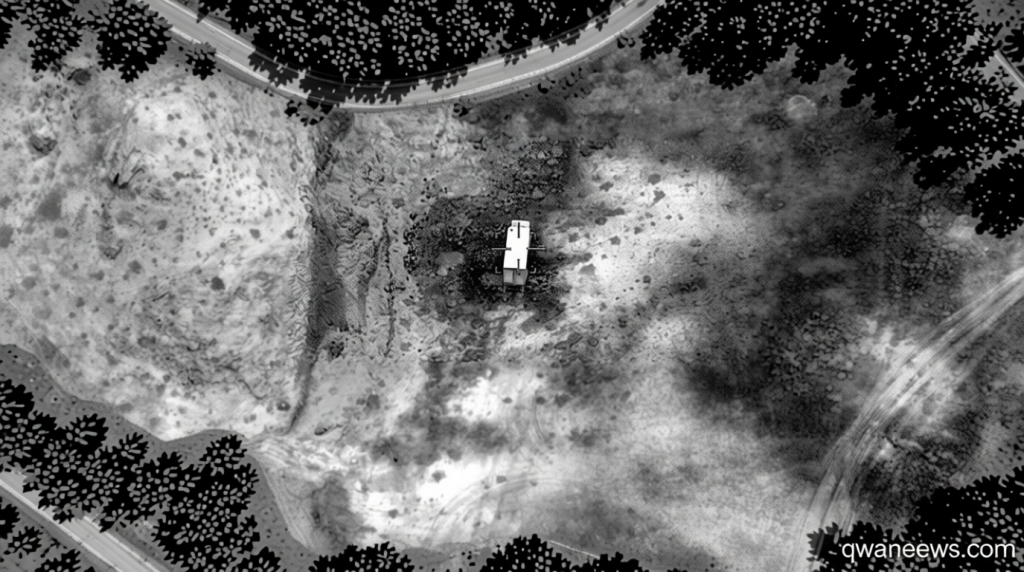
Qwenews.com – President Donald Trump is weighing options for expanding military operations in Iran, as revealed by two insider sources. This strategic reassessment has led to intensified discussions in the Situation Room, with key focus on disrupting Iran’s influence over the Strait of Hormuz—a critical maritime chokepoint for global oil shipments. Trump’s administration is analyzing a range of potential military actions, from aerial strikes to ground campaigns, as part of its broader effort to counter Iranian aggression and assert U.S. dominance in the region. The decision to escalate comes amid growing concerns over Iran’s ability to block commercial shipping, which could destabilize international energy markets.
Targeting Strategic Assets to Undermine Iranian Control
Officials have outlined several military scenarios aimed at weakening Iran’s logistical and defensive capabilities. Among the priorities is the Greater Tunb Island, a strategic outpost in the Strait of Hormuz where Iran has stationed military assets. Recent strikes on the island have targeted infrastructure such as radar systems and missile launchers, with the goal of reducing Iran’s capacity to threaten maritime traffic. The administration is also considering operations on Kharg Island, a major hub for Iranian oil exports, which could disrupt the country’s economic leverage. Meanwhile, underground facilities at Pickaxe Mountain, linked to Iran’s nuclear program, are under evaluation for potential strikes to cripple its nuclear ambitions.
Shifting Between Conflict and Diplomacy
Trump’s approach has oscillated between firm military posturing and diplomatic engagement. While he has expressed confidence in escalating attacks, he has also hinted at the possibility of negotiations. “We have other people that will do the ground campaign for us,” he stated during a recent Fox News interview, suggesting a potential coalition role in targeting key locations. However, his comments have also shown skepticism about Iran’s willingness to negotiate, as he criticized ongoing talks as “a waste of time.” This duality reflects the administration’s strategy to balance offensive military actions with the prospect of diplomatic resolution, depending on Iran’s response.
“They want to settle so badly. They don’t like what we’re doing, and they do want to settle. We’ll find out whether or not we settle with them, or we just finish it off,”
— Trump remarked at a defense industry event in Pennsylvania, underscoring his belief that Iran’s current behavior justifies a more aggressive stance. His remarks align with a broader narrative that Iran is not only a regional threat but also a challenge to U.S. geopolitical interests. Analysts suggest that the administration’s focus on expanding military options is driven by both immediate security concerns and long-term strategic goals, including deterring Iran’s allies and reshaping the balance of power in the Middle East.
Despite the push for military expansion, Trump’s team has acknowledged the need for diplomatic alternatives. Vice President JD Vance, the administration’s lead Iran negotiator, emphasized the importance of dialogue during a three-hour interview with Joe Rogan. “You can bomb them, take away their radar, drones, and missiles, but it’s too easy to fire at ships in the straits,” Vance noted, highlighting the limitations of purely military approaches. This perspective contrasts with Trump’s emphasis on force, creating a tension within the administration about the best path forward.
As the U.S. continues to assess its military options, the potential for expanded operations raises questions about the scale and scope of future actions. While the administration has not confirmed a full-scale campaign, the repeated targeting of Iranian positions near the Strait of Hormuz signals a shift toward sustained pressure. Analysts warn that such measures could escalate tensions, prompting Iran to retaliate with its own military strikes or cyberattacks. Nonetheless, Trump’s focus on expanding military operations remains central to his strategy, with the aim of securing a decisive advantage in the region and demonstrating resolve to allies and adversaries alike.