
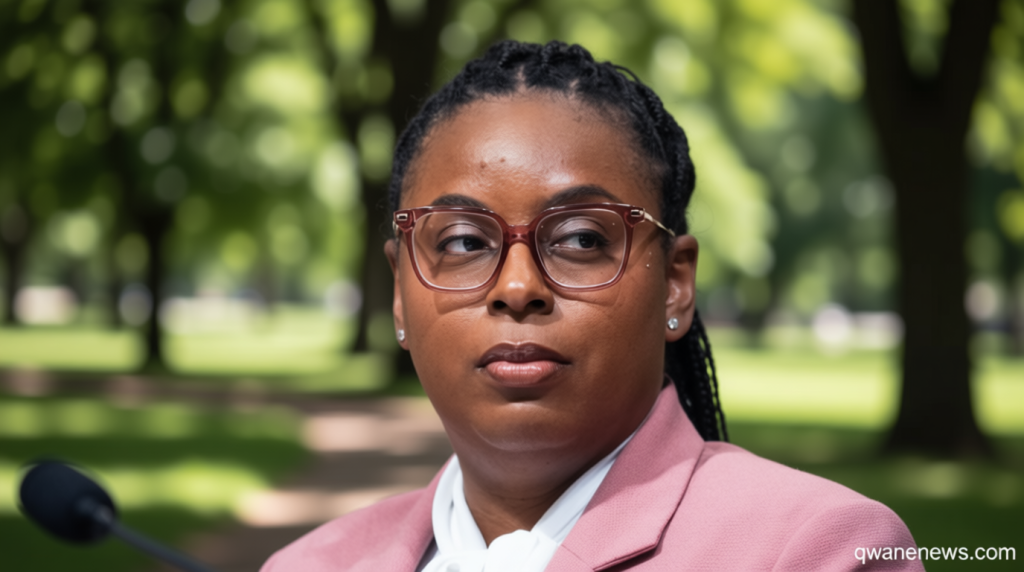
Rep. LaMonica McIver’s Lawyers Challenge Congressional Immunity Limits
Qwenews.com – Lawyers for Rep. LaMonica McIver are pushing federal judges to reconsider the boundaries of congressional immunity, as the case gains momentum in the Delaware federal court. The hearing on Wednesday centered on whether the legal protections afforded to lawmakers extend to situations where they are accused of assaulting a federal officer during a legislative visit. The debate highlights a growing tension between political accountability and the constitutional shield that traditionally shields members of Congress from legal repercussions for their actions in the line of duty.
The charges against McIver stem from an incident in February 2025, when she allegedly used physical force on an immigration officer while attempting to detain Newark Mayor Ras Baraka at an immigration detention center in New Jersey. Though the arrest was later dropped, prosecutors argue that the congresswoman’s actions constituted an assault. The indictment does not specify whether any injuries were sustained, but it emphasizes the use of force. McIver’s defense team is seeking to clarify that the incident occurred in a context of legislative oversight, a key point in their argument.
Legislative Oversight vs. Criminal Accountability
McIver’s attorneys, including Paul Fishman, contend that the event unfolded during a routine visit to scrutinize immigration policies, which they argue is a core function of congressional oversight. Fishman emphasized that the congresswoman was not acting recklessly but was fulfilling her duty to hold the administration accountable. “The Speech and Debate clause was designed to protect legislators when they are performing their constitutional role,” he stated. “This case hinges on whether that protection applies to physical interactions during a field visit.”
“The administration is using this as a political weapon,” Fishman said. “They’re targeting someone who is doing their job—questioning the actions of law enforcement.” He added that the incident was not isolated, noting similar situations where lawmakers have engaged in physical altercations with officers during protests or investigations. The defense also highlighted the importance of the case for future legislative actions, suggesting that it could redefine how Congress is held accountable for misconduct outside of the legislative chamber.
Conversely, Justice Department attorney Mark Coyne stressed that the assault charges are grounded in clear evidence of physical force, regardless of the context. “Congressional immunity doesn’t cover every act of aggression,” Coyne argued. “If lawmakers can use their position to avoid criminal consequences for hitting an officer, then the rule of law is undermined.” He acknowledged the political nature of the case but maintained that the prosecution was justified in pursuing charges against McIver.
Legal Implications and Political Dynamics
The case has sparked a broader discussion about the limits of congressional immunity, particularly in cases involving physical altercations. Judge Thomas Ambro, who presided over the hearing, raised a critical question: Could the court accept a scenario where a legislator pushes an officer during a crowd as a valid exercise of oversight? “That doesn’t seem like assault,” Ambro remarked, signaling potential skepticism toward the prosecution’s argument. The Third Circuit’s upcoming review of the appeal will determine whether the lower court’s dismissal of immunity was appropriate.
McIver’s legal team is also drawing attention to the political implications of the case. The congresswoman, a prominent Democrat, has accused the Trump administration of using the charges to target opposition. “This is not just about my actions—it’s about the power of the executive branch to intimidate members of Congress,” she said during a press conference. Her comments underscore the belief that the case could become a symbol of the conflict between legislative independence and executive authority.
The case remains unresolved as the court weighs the evidence and legal precedents. If the immunity is upheld, it could embolden lawmakers to take more aggressive actions during investigations. However, if the charges stand, it may signal a shift in how congressional conduct is evaluated in criminal cases. Lawyers for Rep. LaMonica McIver are urging the judges to consider the broader impact of their decision on the balance of power between branches of government.