
A First Test for Platner: Key Races in Maine and South Carolina Primaries Set the Stage for November’s Elections
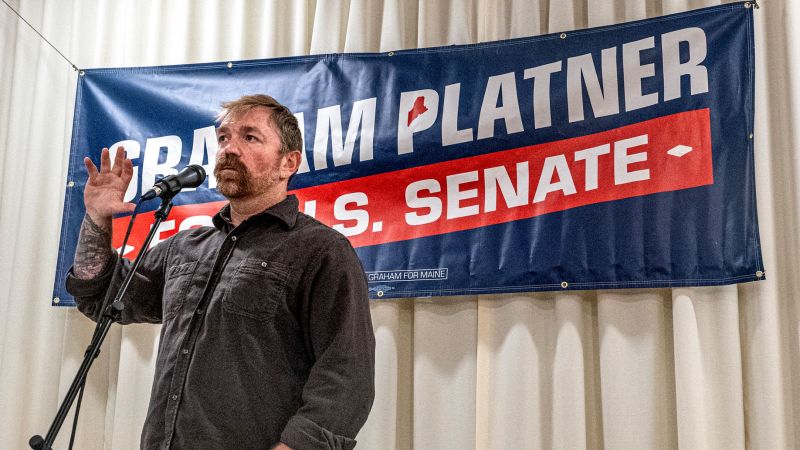
Qwenews.com – In the upcoming Tuesday primaries across four states, Graham Platner faces a pivotal moment that could shape the trajectory of the Democratic Party’s campaign for Senate control in November. This election cycle is marked by intense scrutiny of candidates, with Platner’s race in Maine serving as a critical indicator of voter sentiment. His candidacy, which has been under fire for controversial remarks and a Nazi-themed tattoo, has become a focal point for discussions about the party’s strategy and the broader implications of its choices. The results of these early contests will not only determine immediate outcomes but also provide insights into the challenges Democrats may face in the general election. Meanwhile, South Carolina’s gubernatorial race adds another layer to the narrative, as it highlights the enduring influence of former President Donald Trump on the Republican front.
Platner’s Senate Bid Faces Scrutiny
The Democratic Senate primary in Maine is a high-stakes contest for the party’s hopes of securing a Senate majority in November. Platner, a progressive oyster farmer and Marine veteran, has emerged as a leading candidate, but his campaign has been marred by allegations of past misconduct. Recent revelations about his explicit messages to non-spouse women and physical threats to ex-partners have intensified scrutiny, with some questioning whether his personal controversies could undermine his electoral viability. Despite these challenges, Platner remains in the lead in polls, which has led to a strategic shift within the Democratic Party. Governor Janet Mills, once seen as a strong contender, withdrew her bid, signaling a decision to prioritize Platner despite his flaws.
“What else do we have?” Maine Democrats signal they’ll stick with Graham Platner, some with regret
Platner’s campaign has defended his record, arguing that the allegations are politically motivated and that his support for progressive policies remains strong. However, the controversies have raised concerns about his ability to appeal to a broader electorate. In the general election, he faces five-term Republican Senator Susan Collins, a candidate with a well-established reputation and strong fundraising capabilities. The outcome of this race could have far-reaching implications, as a win for Platner would bolster Democratic efforts to reclaim Senate seats in key battlegrounds. Meanwhile, his team is working to address voter concerns through targeted messaging and public appearances.
South Carolina’s Gubernatorial Race as a Trump Barometer
South Carolina’s gubernatorial race is another key contest that offers a glimpse into the dynamics of the Republican Party’s primary process. The state, known for its early presidential primary status, is now a battleground for leadership in the GOP. The race features multiple candidates, with Lt. Gov. Pamela Evette and state Attorney General Alan Wilson standing out as major contenders. Trump’s endorsement of Evette has provided her with a significant boost, leveraging his nationwide influence to sway voters in a state where his political power remains substantial. Evette’s campaign has also gained momentum from the support of former Governor Henry McMaster, a long-standing Trump ally.
For Republicans, the outcome of this race will serve as a test of their ability to consolidate support and move beyond Trump’s dominance. The state’s voters are often seen as a bellwether for national trends, and their choice could signal whether the GOP is prepared to embrace new leadership or continue relying on Trump’s brand. If no candidate secures a majority, a June 23 runoff will determine the winner, adding another layer of uncertainty to the political landscape. This contest also reflects the ongoing tension between Trump’s traditional base and more moderate factions within the party, as they vie for control of the nomination process.
The broader implications of Tuesday’s primaries extend beyond Maine and South Carolina. Nevada and North Dakota are also holding elections, which will provide additional data on voter preferences and party strategies. In Nevada, the focus is on the state’s role in shaping the 2028 presidential nomination, while North Dakota’s races are seen as early indicators of regional political trends. Together, these contests form a mosaic of races that will influence the momentum of both parties heading into the general election. For Democrats, Platner’s performance in Maine is a first test for his ability to weather controversy and attract support. For Republicans, the South Carolina race is a key barometer of Trump’s continued influence and the party’s adaptability in a rapidly changing political environment.
As the primary elections unfold, the spotlight will remain on Platner’s campaign in Maine and the GOP race in South Carolina. These races are not just about immediate outcomes; they are about setting the tone for the November elections. Platner’s ability to navigate his controversies and maintain voter support will be a defining factor in the Democratic Party’s strategy to flip the Senate. Similarly, the Republican race in South Carolina will test the party’s cohesion and its capacity to present a united front without Trump’s heavy-handed endorsement. The results of these contests will shape the national political narrative, offering valuable insights into the candidates’ strengths, weaknesses, and the overall direction of the party.