
The Hidden Cost of Constant Core Bracing
Qwenews.com – Many fitness enthusiasts have heard the familiar instruction to tighten their midsection during workouts. While this guidance makes sense—your central muscles must protect the spine during physical activity—treating constant tension as the norm can produce unwanted results. When people forcefully contract their abdominal muscles through every movement and even while sitting, they may find that this approach undermines rather than enhances their physical capabilities.
Excessive tightness in the midsection can reduce flexibility, limit how deeply you breathe, and activate your body’s stress mechanisms. According to Dana Santas, a professional sports coach with over twenty years of experience, the most resilient athletes possess what she calls dynamic core stability. This quality allows the midsection to adapt to varying physical demands without compromising breathing or movement.
Understanding Your Core System
Your midsection extends far beyond the visible abdominal muscles. Santas describes it as a complete circular system encompassing the front abdominal wall, the lower and middle back regions, the diaphragm, and the pelvic floor muscles. These components collaborate to transfer force throughout your body while simultaneously supporting your spine, pelvis, and rib cage.
Genuine core stability operates dynamically. Support increases when physical demands rise and decreases when those demands lessen. Your trunk muscles coordinate to adjust tension levels, enabling your rib cage to move freely with each breath while your body bends, extends, and rotates as circumstances require.
When Bracing Becomes a Problem
Actively bracing your core serves a purpose. This technique proves valuable when a specific task requires greater spinal stiffness, such as during heavy weightlifting. The difficulty emerges when maximum engagement becomes your automatic response to everything.
Continuously over-bracing replaces your core’s natural responsive control with unnecessary rigidity. Maintaining peak abdominal effort regardless of the activity can transform your torso into a rigid structure. Consequently, every step, reach, and rotational movement must overcome this stiffness, potentially generating chronic discomfort even if you stretch regularly.
The Breathing-Stability Connection
Your respiratory and postural systems function interdependently. Beyond its role in breathing, the diaphragm acts as a stabilizing muscle that coordinates with other core components. When the diaphragm contracts during inhalation, the pelvic floor relaxes, and the reverse occurs during exhalation.
Research published in 2023 involving thirty-one healthy adults demonstrated a measurable trade-off. The study found that abdominal bracing during lifting tasks decreased lung volume even though the diaphragm moved more actively. This doesn’t suggest you should avoid bracing during heavy lifts. Rather, it highlights that a technique designed for maximum loads can become counterproductive when applied continuously.
Breaking the Tension Cycle
Persistent over-bracing produces shallow breathing patterns and unconscious breath-holding. These habits reinforce your sympathetic nervous system’s fight-or-flight response while simultaneously increasing overall muscle tension. That heightened tension creates a self-sustaining loop that further restricts breathing capacity.
A simple ninety-second deep breathing exercise can help interrupt this pattern. Instead of constantly holding your stomach in and squeezing your abs, consider matching your muscular engagement to whatever activity you’re performing.
Practical Application
Carrying groceries requires strength and stability but demands less rigid activation than a heavy deadlift would. Similarly, activities like mopping floors, raking leaves, and shoveling snow all benefit from dynamic stability that supports rotational movement.
Use these guiding principles to recalibrate your core stability during everyday tasks:
Match your muscular engagement to the specific demands of each activity rather than maintaining constant maximum tension.
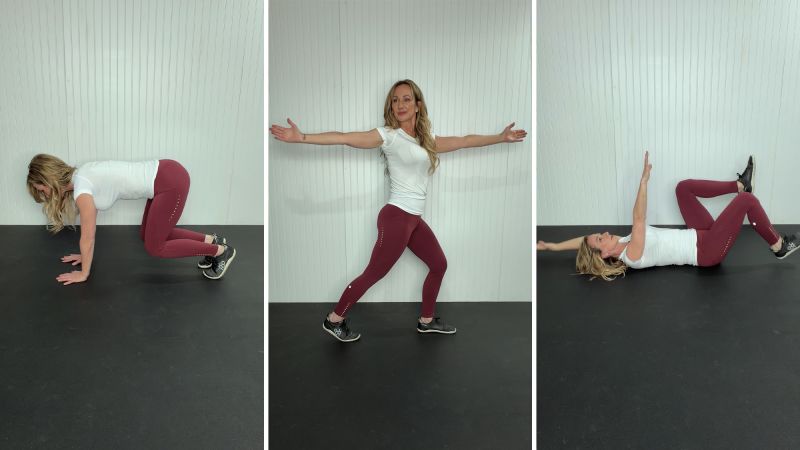
Three foundational exercises train responsive trunk control through multiple planes of motion, progressing from lying positions to standing postures. Incorporate these movements into your current workout routine or perform them as a circuit two to three times weekly, prioritizing controlled movement over speed.
Before beginning this or any new exercise program, consult your doctor or physical therapist for personalized guidance.
Related Reading
Frequently Asked Questions
What is Why engaging your core isn t always?
Why engaging your core isn t always is the main topic of this guide. The article explains the context, practical details, and next steps readers should understand.
Why does Why engaging your core isn t always matter?
Why engaging your core isn t always matters because readers are looking for a useful answer, not just a short summary. Good content should match search intent and help them decide what to do next.