
AI Creates 16 New Viruses: A Medical Breakthrough
Revolutionary Synthetic Virology Achieved
Qwenews.com – AI creates 16 new viruses through an innovative approach that combines artificial intelligence with synthetic biology. According to research published Thursday in the journal Science, scientists have successfully engineered entirely novel viral genomes that do not exist in nature. The AI system, named Evo, drew upon genetic sequences from millions of organisms across all domains of life to construct these unique viral structures. This methodology parallels how large language models process extensive text corpora to generate new content.
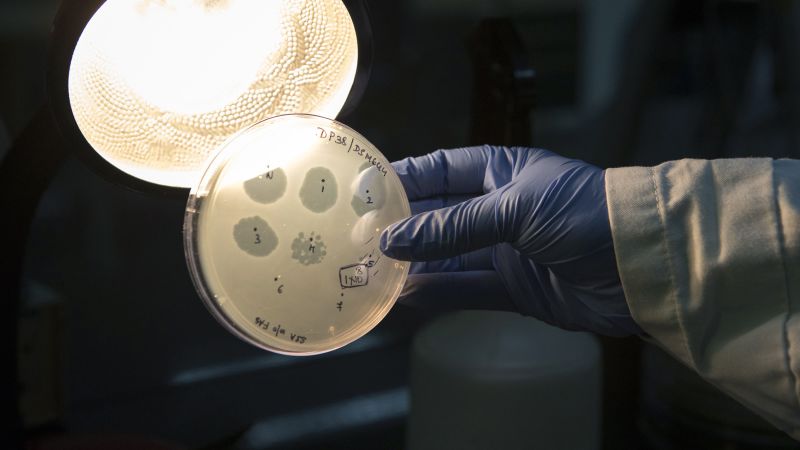
Researchers from Stanford University and the Arc Institute guided the AI to generate thousands of potential genome configurations. They established a specific architectural framework designed to function within E. coli bacterial cells. After laboratory construction and extensive testing of approximately 300 candidate genomes, the team identified 16 as fully functional viruses. These newly created entities belong to the bacteriophage family—microorganisms that infect bacteria without posing any risk to human cells.
Evolutionary Innovation and Therapeutic Potential
The comprehensive genetic database enabled the AI to internalize the evolutionary constraints that naturally limit viral genomes. Scientists observed that one of the synthetic viruses possessed characteristics described as “evolutionarily distant” from existing organisms. This discovery demonstrates that artificial intelligence can accelerate evolutionary processes that would otherwise require millions of years through natural selection alone.
Experimental trials revealed that combining these novel viruses effectively countered antibacterial resistance in certain E. coli strains—a capability that natural phage mixtures could not achieve. The research team concluded that this methodology “lays out a path for generating adaptive and resilient phage therapies against rapidly evolving pathogens.” This accomplishment marks a significant advancement in addressing the growing crisis of drug-resistant bacterial infections worldwide.
Biosafety and Biosecurity Implications
While the scientific community embraces this breakthrough, experts emphasize the importance of addressing safety concerns. Jordi García Ojalvo, a systems biology professor at Pompeu Fabra University in Barcelona, acknowledged the significance of the achievement in statements to the Science Media Centre.
Physicians from the Johns Hopkins Center for Health Security published a corresponding perspective in Science, highlighting both opportunities and concerns. They noted that while the research holds considerable promise for life sciences applications, it simultaneously generates urgent biosafety and biosecurity questions. In their assessment, they emphasized that “The ability to compose viral genomes using generative AI now exists; the governance to safely steer it does not.”
The original researchers incorporated biosecurity considerations into their study design. However, the Johns Hopkins team observed that the authors “engage with biosafety and biosecurity questions more deliberately than most developers of powerful biological AI models.” The current investigation concentrated exclusively on E. coli bacteria and a virus category incapable of infecting humans, leaving questions about broader applicability to other viral types.
Risk Assessment and Future Directions
Responding authors identified one particularly concerning application area that warrants caution: eukaryote-infecting pathogens. These organisms can trigger various human infections, ranging from malaria to specific yeast-related conditions. The critics warned that “Such genomes might encode new pathogens that can infect humans, animals, or plants in ways that cannot be contained by existing countermeasures.”
Despite these concerns, García Ojalvo characterized the biosafety risk as relatively modest compared to other AI applications. He attributed this assessment to two factors: the requirement for individual genome testing following design, and the notably low efficiency rate. Only 16 viable viruses emerged from hundreds of thousands of AI-generated candidates.
“It is difficult to imagine these models automatically generating viable genomes ‘out-of-the-box,'” he said.
Frequently Asked Questions
What are bacteriophages and why are they important?
Bacteriophages, or phages, are viruses that specifically infect bacteria. They are important because they offer a potential alternative to antibiotics in treating bacterial infections, particularly as drug resistance continues to rise globally.
How does the Evo AI system work?
The Evo AI system uses genetic sequences from millions of organisms across all domains of life as training material. It generates thousands of potential genome configurations and identifies functional viral structures through laboratory testing.
What are the main biosecurity concerns?
The primary concerns include the potential for AI to generate eukaryote-infecting pathogens that could harm humans, animals, or plants, and the need for proper governance frameworks to manage this emerging technology.
How efficient is the AI virus creation process?
The process is relatively inefficient, with only 16 viable viruses emerging from hundreds of thousands of AI-generated candidates. This low efficiency rate helps mitigate biosafety risks.