
Essence Festival Navigates Challenges Amid Cultural and Political Shifts
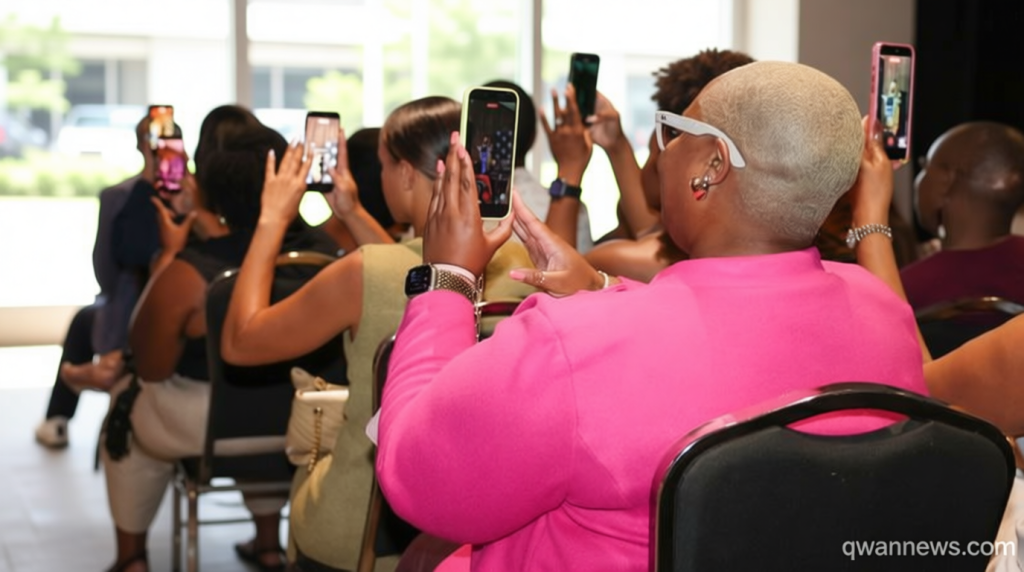
Qwenews.com – Thousands are anticipated to gather in New Orleans this weekend to celebrate Black excellence, with the event drawing a crowd predominantly composed of women. Attendees will have the opportunity to hear from Michelle Obama, witness performances by Cardi B and Patti LaBelle, and immerse themselves in the city’s vibrant cultural offerings. Yet, this year’s festival faces heightened scrutiny, as it occurs during a turbulent period for the magazine, its associated event, and the nation at large.
A Festival Under Pressure
Since 1995, the Essence Festival of Culture has been a cornerstone of celebrations honoring Black identity, held annually during the Fourth of July weekend. However, the goodwill surrounding the event has wavered in recent years, partly due to critiques on social media about disorganization, delayed performances, and a perceived drift from its core mission. These concerns intensified after a controversial alliance with Target, which followed the retail giant’s boycott over its DEI policy changes. While not as chaotic as Fyre Fest, attendees felt the festival had fallen short of expectations.
“It’s the aunties who hold the culture,” said Deja Zhane, a beauty influencer. “And if it’s no longer centering older women or women that were here, if you’re not catering to the people that hold the culture together, what is this becoming?”
The festival’s struggles mirror broader societal tensions, particularly in Louisiana, where a newly enacted Congressional map removed one of the state’s two majority-Black House districts. For many, the Essence Festival has long symbolized a platform for Black women’s voices, blending music, wellness, and cultural storytelling. But recent years have tested its ability to maintain that identity, as highlighted by Rachel L. Grant, a University of Florida professor. Grant described the event as “uniquely designed to speak to the different aspects of Black society, Black culture, and Black history,” yet this year’s attendees are wary of whether the festival has truly regained its footing.
Legacy and Economic Impact
Over the years, the festival has grown beyond music, transforming New Orleans into a hub for Black beauty, food, film, and literature. It has drawn millions of visitors, generating over $321 million in economic activity and supporting more than 2,400 jobs. Despite this, the pressure to deliver a cohesive experience remains immense, with some critics arguing that the event has lost its cultural focus. The festival’s 2025 iteration, for instance, saw attendees leave early due to late headliners, a moment that underscored the growing frustration.
Legal action has also emerged, stemming from a 2020 Medium article titled “The Truth About Essence.” The anonymous piece accused the magazine’s leadership—particularly Richelieu Dennis, who acquired it from Time Inc. in 2018—of betraying its mission through what it called “cultural and corporate greed.” The authors demanded resignations and called for businesses to distance themselves from the publication. These claims reflect ongoing debates about the Essence brand’s evolving role in representing Black women’s experiences.
As the festival unfolds, questions linger: Is it overcoming a midlife crisis or losing its cultural essence? The next few days may offer answers, determining whether Essence Fest can reclaim its status as a beacon of Black excellence or if the challenges of 2026 mark a turning point in its legacy.