
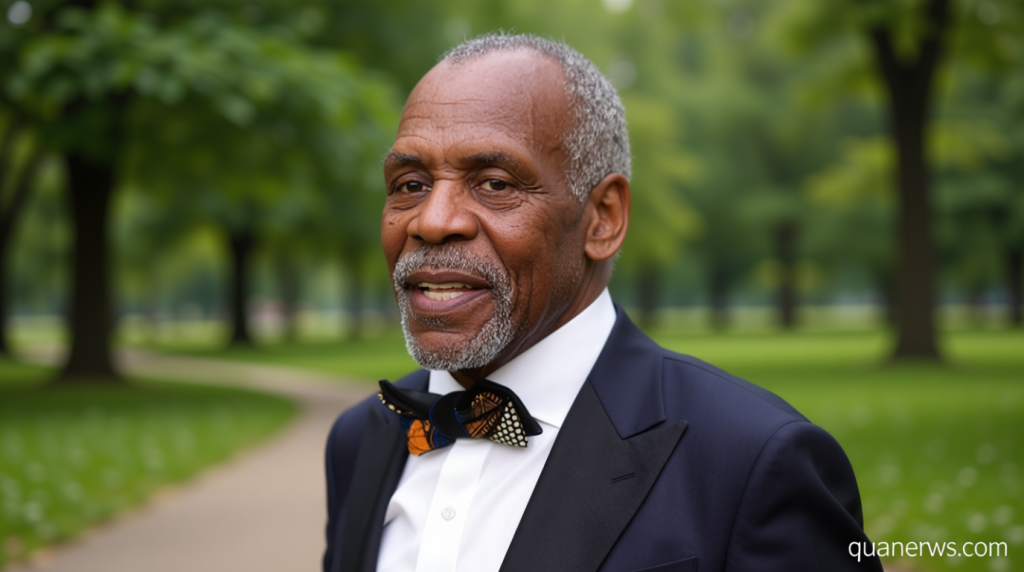
Actor and activist Danny Glover Discloses Alzheimer’s Diagnosis
Qwenews.com – Actor and activist Danny Glover has recently shared his personal journey with Alzheimer’s disease, a progressive neurological condition that impacts memory, cognition, and daily functioning. The 80-year-old veteran performer, renowned for his compelling roles in film and television, revealed his diagnosis in an emotional conversation with People magazine. Glover, who has long been recognized as a powerful voice in both entertainment and social advocacy, spoke candidly about how the disease has affected his life, including moments of clarity and confusion. His disclosure has sparked renewed conversations about awareness, early detection, and the intersection of art and activism in addressing health challenges.
A Lifelong Commitment to Advocacy
Throughout his career, Danny Glover has used his platform to champion causes that resonate deeply with his personal values. His activism spans decades, with a particular focus on racial justice, education, and global development. From his early days as a stage actor in the 1960s to his iconic role as Martin Riggs’ partner in the “Lethal Weapon” film series, Glover has consistently balanced his artistic endeavors with his dedication to social progress. His recent diagnosis has added a new layer to his advocacy, as he now shares his experiences to shed light on the realities of living with Alzheimer’s and its broader societal implications.
The Progression of Alzheimer’s and Personal Reflections
Alzheimer’s disease, the most common form of dementia, is a degenerative disorder that gradually erodes memory and cognitive abilities. Glover revealed that he was diagnosed three years ago, though the full extent of its impact on his life has only recently come to the forefront of public discussion. In a conversation with People magazine, he described the emotional toll of the disease, noting, “I’m still not fully accepting all aspects of it.” He emphasized that while moments of memory loss can be challenging, he remains determined to continue his work. “There are times when I remember things clearly, and other moments I can’t forget,” he said, highlighting both the struggle and resilience that define his current journey.
Glover’s diagnosis has also prompted him to reflect on the importance of early intervention and lifestyle choices in managing the disease. He has spoken about how maintaining a routine, engaging in physical activity, and staying mentally stimulated have helped him cope. His openness about the condition has inspired fans and colleagues alike, reinforcing the idea that public figures can play a critical role in breaking down stigmas around neurological disorders. By sharing his story, Glover aims to encourage others to seek early diagnosis and support, while also advocating for increased research funding and resources for those living with Alzheimer’s.
A Legacy in Entertainment and Social Impact
As an actor, Danny Glover has left an indelible mark on the film and television industry. His performances in classic films like “Menace II Society” and “The Color Purple” earned him critical acclaim and a loyal following. Beyond acting, he has been honored with four Emmy Award nominations and an honorary Oscar in 2022, underscoring his influence in the entertainment world. However, his legacy extends far beyond the silver screen. As a long-time member of the NAACP and advocate for Black empowerment, Glover has used his voice to address systemic inequities and promote education. His work with the United Nations Development Program from 1998 to 2004 further highlights his commitment to global issues, particularly poverty and disease eradication in underserved communities.
Actor and activist Danny Glover’s career is a testament to the power of storytelling in driving change. His ability to portray complex characters, such as the thoughtful and principled Detective Alonzo Harris in the TV series “Crime Lord,” has earned him respect as both a performer and a storyteller. Yet, his impact is most felt through his activism. Glover has consistently supported causes that align with his belief in equity and justice, from mentoring young actors to advocating for policies that address racial disparities. His recent diagnosis with Alzheimer’s has not diminished his passion but rather amplified his message. By blending his personal experience with the disease into his advocacy, he continues to inspire conversations about health, memory, and the importance of community support.
Hope and Resilience in the Face of Alzheimer’s
Despite the challenges posed by Alzheimer’s, Danny Glover remains a symbol of hope and resilience. He has described how the disease has affected his ability to recall details, but his determination to stay engaged in his work has not wavered. In interviews, he has emphasized the importance of staying connected to loved ones and maintaining a sense of purpose. “Even when the memories fade, the passion stays,” he remarked, a sentiment that resonates with many who face similar struggles. His journey underscores the importance of mental and emotional health, as well as the role of personal narrative in raising awareness about neurological conditions.
Glover’s openness about his diagnosis has also sparked discussions about the intersection of aging and creativity. While Alzheimer’s can be daunting, he has shared how his artistic instincts remain intact, even as memory lapses occur. This duality—between the loss of memory and the persistence of creative expression—has captivated audiences and critics alike. As he continues to inspire through his work, actor and activist Danny Glover serves as a reminder that even in the face of adversity, one can find meaning and purpose. His story is not just about the disease itself, but about the enduring power of human spirit and the importance of advocacy in every stage of life.