Iran’s Medicine Shortage Deepens as Prices Rise and Supply Chains Falter
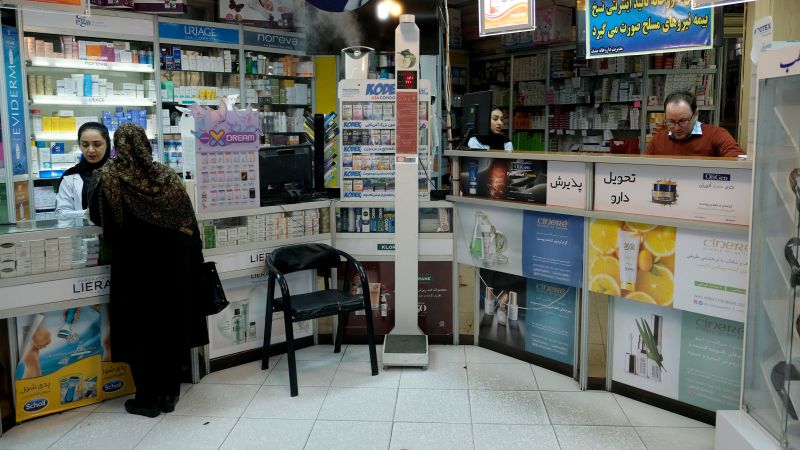
Qwenews.com – For patients with serious illnesses in Iran, obtaining routine treatment is becoming a daily struggle shaped by shortages, soaring prices and an economy under growing pressure. Many families now face painful choices: buy less medicine than prescribed, delay care, accept a less effective substitute or sell household belongings to pay for drugs that were once within reach.
Sima, a 35-year-old woman in Tehran, recently searched seven pharmacies before locating medicine needed to protect her kidneys. She found it in an affluent part of the capital, but the relief was brief. The price had risen again, leaving her unable to afford the full prescribed amount. She has begun taking less of the medicine that keeps her condition under control.
“They’ve stopped using cancer medication for people who they say are terminal or far along. They only use it for those who are in the very early stages.”
Sima, whose name has been changed for safety, described a health system in which access to treatment can increasingly depend on the stage of a patient’s illness, the availability of foreign currency and the ability to pay immediately.
Shortages Reach Essential Treatments
The problems extend well beyond kidney medication. Pharmacies in Iran have confirmed rising costs and missing supplies for heart treatments, cholesterol-lowering drugs and migraine medicine. Some heart patients are being offered locally produced generic alternatives instead of the brand prescribed by their doctors. Cholesterol drugs can still be found in some cases, but at sharply higher prices. Certain migraine medicines have disappeared entirely from pharmacy shelves.
Other shortages have affected antidepressants, insulin, pregnancy-related medicines and cancer treatments. A mother in Tehran who lost her only daughter has had to replace her antidepressant with a domestically made version she finds less effective. Seasonal flu vaccinations were canceled this year after the government did not secure supplies from Europe.
For people with cancer, the financial strain can be especially severe. Some patients have sold televisions, refrigerators and other household possessions to obtain drugs at inflated prices. One 55-year-old cancer patient in Tehran said that she has turned to relatives and visitors returning from overseas for help locating medicine unavailable at home.
“I’ve asked if people who come visit or come back from abroad can bring my medicine back, especially the things we can’t find here or get access, too.”
She said the uncertainty surrounding the war has compounded the anxiety of living with a life-threatening illness.
“Between the illness and uncertainty of the war I have a hard time knowing what to do.”
Domestic Production Does Not End Dependence
Iran produces more than 97% of its medicines by volume, Mehdi Pirsalehi, head of the country’s Food and Drug Organization, said in February. That figure, however, does not mean the country can independently supply every medicine patients need.
Local drug makers can still rely on imported ingredients, machinery and technology. Highly specialized medicines and expensive treatments often must be brought in from abroad, creating a vulnerability when access to international payments and foreign currency is restricted.
Peivand Bastani, a senior lecturer at Flinders University who co-authored research on sanctions and pharmaceutical procurement in Iran, has stressed that high domestic output should not be confused with complete medical self-sufficiency. Imported materials and advanced treatments remain essential parts of the supply system.
US President Donald Trump’s maximum-pressure campaign has intensified scrutiny of Iranian banks and made oil exports more difficult. Oil is Iran’s principal source of foreign currency, and reduced access to those funds has affected the ability to import specialized drugs and inputs used in domestic manufacturing.
Insurance Delays Add Another Barrier
Patients are also confronting a breakdown in insurance payments. Millions of Iranians have coverage, yet an insured prescription may no longer mean that medicine is available without a substantial cash payment. In some cases, pharmacies cannot provide the drug at all; in others, patients must pay out of pocket because insurers have not settled their bills.
More than 18,000 private pharmacies are waiting for insurance companies to pay them, officials from Iran’s Pharmacists Association said at a news conference last month. Outstanding insurance debt to pharmacies had reached nearly 800 trillion rials, or about $300 million.
That unpaid debt weakens pharmacies’ ability to refill stocks. When suppliers require payment, pharmacies without reimbursement cannot readily replace expensive medicines. Inflation, insurance arrears and limited foreign currency have therefore combined into a supply-chain crisis that reaches from government finances to the medicine cabinet of an individual patient.
Shahram Kalantari, head of the Iranian Pharmacists Association, said last month that shortages had affected almost 800 medicines. As costs rise, pharmacies have struggled to secure alternative products even where substitutes might otherwise be available.
For patients already exhausted by treatment, the crisis is not simply an economic statistic. It can determine whether a prescribed drug is taken on time, at the right dose, or at all. The cancer patient in Tehran described the emotional cost in stark terms.
“Everyone says we’re brave. But I don’t know if being brave means anything when you’re dying.”
Related Reading
Frequently Asked Questions
What is Trump s sanctions inflation and a collapsing?
Trump s sanctions inflation and a collapsing is the main topic of this guide. The article explains the context, practical details, and next steps readers should understand.
Why does Trump s sanctions inflation and a collapsing matter?
Trump s sanctions inflation and a collapsing matters because readers are looking for a useful answer, not just a short summary. Good content should match search intent and help them decide what to do next.