
Republican Legislatures Face Voter Pushback Across Multiple States
Qwenews.com – While national attention focused on Abdul El-Sayed’s narrow triumph in Michigan’s Democratic Senate contest—evidence of progressive momentum within the party—two lesser-noted outcomes revealed a growing tension between Republican state lawmakers and the electorate. Both Kansas and Missouri saw citizens vote down legislative proposals designed to limit direct democracy mechanisms.
Kansas Voters Block Court Appointment Changes
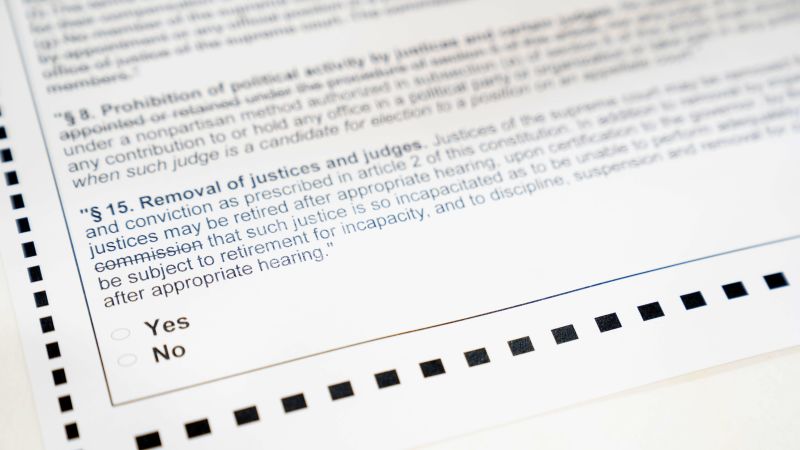
In Kansas, the electorate turned away a GOP-led legislative initiative that would have shifted authority over state Supreme Court justice selections. Currently, a merit board alongside the Democratic governor handles appointments. The proposed amendment would have transferred that power to voters themselves, allowing them to elect justices directly.
Though this appeared to expand citizen influence, the underlying objective proved more strategic. The GOP-dominated legislature sought to elect judges hostile to abortion access, potentially enabling the court to reverse the 2022 voter-approved constitutional protection for reproductive rights. Ultimately, Kansans recognized this maneuver and voted against it.
Missouri Rejects Amendment Barriers
Missouri voters similarly rejected a Republican legislative proposal aimed at complicating the path for citizen-initiated constitutional amendments. Under the rejected plan, voter-proposed amendments would have required approval in every congressional district rather than a simple statewide majority. Meanwhile, legislature-drafted amendments would have continued needing only broad electoral support.
This distinction carried significant weight given Missouri’s recent gerrymandering efforts. The GOP-controlled government had already redrawn congressional boundaries to favor Republicans, eliminating one Democratic seat earlier in the year. The proposed change would have effectively granted conservatives veto authority over progressive amendments, even those enjoying widespread popularity.
Beyond abortion, Missouri voters have repeatedly frustrated Republican legislators through direct democracy. Recent ballot measures expanded Medicaid coverage and raised the minimum wage. On Tuesday, citizens also declined to replace the state’s income tax with a sales tax—a goal shared by Republican lawmakers nationwide.
Gerrymandering and Electoral Maps
Missouri voters will not soon have another chance to address gerrymandering. The state’s chief election official rejected a citizen petition bearing hundreds of thousands of signatures calling for a statewide vote on congressional districts drawn by the GOP-dominated government. Legal challenges are expected.
However, abortion rights remain on the ballot. Missouri’s legislature is proposing voters repeal the 2024 citizen-initiated amendment while simultaneously adding a prohibition on transgender medical therapy for minors under eighteen.
Gerrymandering—redrawing legislative boundaries for partisan advantage—often gets characterized as politicians selecting their voters rather than voters choosing their representatives. Republicans gained leverage in this year’s unprecedented mid-decade redistricting battles partly because they avoided consulting citizens about plans to eliminate Democratic districts.
Democratic efforts in California and Virginia followed different paths. Both states required voter approval through statewide referendums before redrawing maps. While voters in both states endorsed new boundaries, only California’s revisions will take effect. Virginia’s Supreme Court, composed largely of justices appointed during Republican legislative control, invalidated the voter-approved maps, citing procedural violations.
Florida presents another example of voter frustration with direct democracy. The state mandates a 60% supermajority for citizen-initiated amendments to succeed. Consequently, despite 57.2% supporting abortion rights restoration and 55.9% backing cannabis legalization in 2024, neither measure became law. Rather than confront similar hurdles again, the state’s GOP-dominated legislature has pursued alternative strategies.
Related Reading
Frequently Asked Questions
What is GOP lawmakers keep trying to defang?
GOP lawmakers keep trying to defang is the main topic of this guide. The article explains the context, practical details, and next steps readers should understand.
Why does GOP lawmakers keep trying to defang matter?
GOP lawmakers keep trying to defang matters because readers are looking for a useful answer, not just a short summary. Good content should match search intent and help them decide what to do next.