
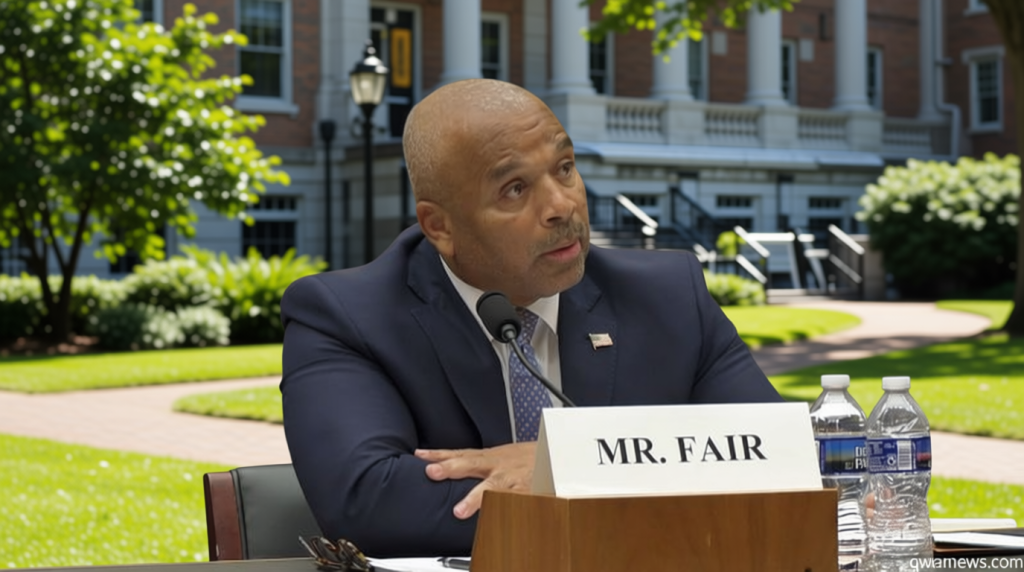
Southern Poverty Law Center Chair Faces Intense Congressional Scrutiny Over Alleged Fund Usage
Allegations of Hidden Funding Spark Debate During Hearing
Qwenews.com – The Southern Poverty Law Center (SPLC) chair, Bryan Fair, found himself in the spotlight during a congressional hearing on Tuesday as Republican lawmakers launched a fierce critique of the organization’s alleged misuse of donor funds. The hearing centered on accusations that the SPLC, a well-known civil rights group, used its resources to support extremist groups, including the Ku Klux Klan (KKK), National Socialist Movement, and Aryan Nations. These claims have intensified scrutiny over the SPLC’s transparency and funding practices, with some lawmakers questioning its role in amplifying political agendas.
“We don’t fund the KKK,” Fair asserted repeatedly, addressing concerns about the organization’s past operations. “We don’t fund hate groups.” This statement became a focal point of the discussion, as lawmakers pressed for clarification on how the SPLC’s $4.1 million in alleged payments to extremist groups fit into its broader mission of combating hate and discrimination.
The allegations stem from a superseding indictment filed by the Justice Department (DOJ), which accuses the SPLC of concealing the purpose of its undercover program through shell companies. The program, which operated from 2010 to 2023, reportedly involved infiltrating racist organizations to gather intelligence and track their activities. While the SPLC has long been celebrated for its efforts against white supremacy and hate groups, these charges have sparked a political divide, with critics arguing the organization overreaches in its investigations.
Republican Concerns About Political Bias and Fund Allocation
Republican lawmakers, including Rep. Harriet Hageman and Rep. Jim Jordan, have raised concerns that the SPLC’s undercover operations may have been used to target right-wing groups more aggressively than left-wing organizations. Hageman highlighted the $4.1 million in funds allegedly directed to extremist groups, questioning how the SPLC justified such expenditures while maintaining its reputation as a neutral watchdog.
“We stopped the program because we believed hate and extremism has migrated significantly online and into government agencies,” Fair explained when questioned by Rep. Jim Jordan. Jordan responded with skepticism, noting the irony of the SPLC’s focus on digital extremism amid claims of financial impropriety.
Fair emphasized that the SPLC had always been transparent with its donors, asserting that the organization’s actions were aligned with its founding principles. He argued that the DOJ’s case would be thoroughly examined in the ongoing criminal trial, with the SPLC maintaining that its informants played a critical role in uncovering hate group activities and providing evidence to law enforcement agencies.
SPLC’s Role in Combating Hate and Extremism
Despite the allegations, the SPLC continues to assert its commitment to fighting hate and extremism through legal and investigative means. The organization, based in Alabama, has historically focused on monitoring and exposing groups like the KKK, neo-Nazi movements, and other white supremacist organizations. Its work has included publishing reports on hate crimes, supporting lawsuits against extremist groups, and advocating for policies to protect marginalized communities.
“The SPLC has been a vital force in holding hate groups accountable,” said one Democratic representative during the hearing. “This case seems more about politicizing the organization than addressing its real contributions to justice.”
Fair reiterated that the SPLC’s undercover program was a strategic tool to monitor the activities of extremist groups, particularly those that had been active in spreading racial hatred and violence. He defended the program’s legitimacy, stating that the SPLC had always aimed to provide actionable intelligence to law enforcement, not to fund the groups it sought to expose.
Political Context and Implications for the SPLC
The hearing comes amid broader political tensions, with the SPLC facing accusations of bias and overreach. Critics, including some Republican lawmakers, have linked the DOJ’s indictment to a perceived effort to undermine the organization’s influence, especially as it has become a target of criticism from the current administration. The charges have also raised questions about the extent to which the SPLC’s operations have been used to advance specific political narratives.
“This is a coordinated attack on an organization that has done tremendous work in our country,” said Democratic Rep. Deborah Ross. “The SPLC has always stood for justice, and the DOJ’s case is being used to silence its voice.”
While the SPLC’s defenders argue that the allegations are politically motivated, the organization must now navigate the fallout as it prepares for its defense. The hearing has underscored the importance of transparency in nonprofit operations, with lawmakers calling for stricter oversight of how donor funds are allocated. The case also highlights the challenges of balancing investigative work with the need to avoid accusations of bias.
Public and Legal Reactions to the Allegations
The allegations against the SPLC have generated mixed reactions from the public and legal community. Supporters of the organization have praised its decades-long efforts to combat hate, pointing to its role in dismantling extremist networks and providing resources to victims of racial discrimination. Meanwhile, critics have used the hearing to argue that the SPLC’s focus on right-wing groups has been excessive, and that its undercover operations may have been unfairly funded at the expense of other priorities.
“The SPLC has always been a beacon for civil rights, even when it wasn’t popular,” said a legal analyst. “This case is about whether the organization’s methods are justifiable in the fight against hate.”
As the hearing concludes, the focus remains on the SPLC’s ability to defend its practices while maintaining public trust. The organization’s chair, Bryan Fair, has pledged to continue its mission, even as the DOJ’s case moves forward. The outcome of this political and legal scrutiny could have lasting implications for the SPLC’s reputation and its future operations.