
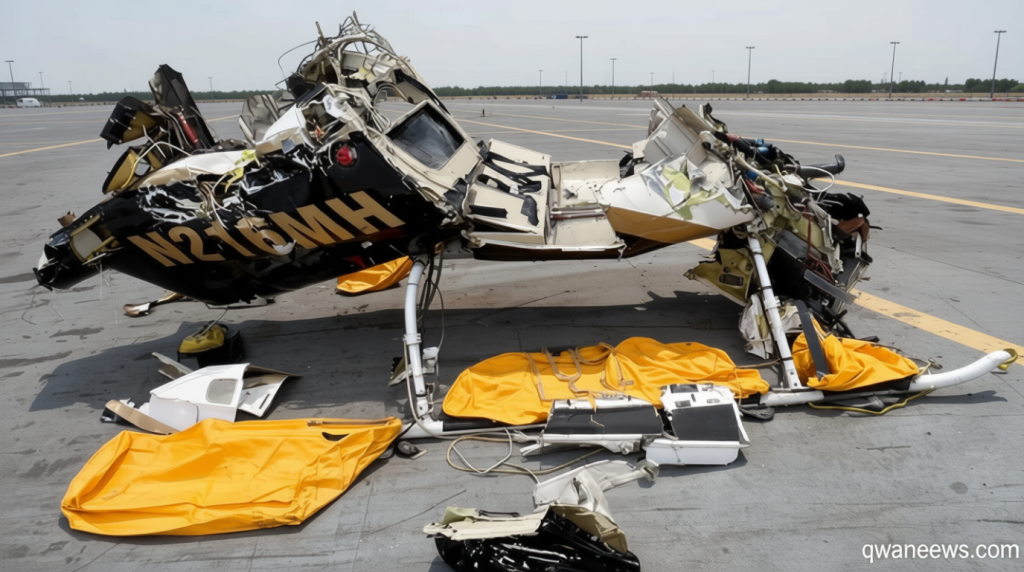
NTSB Links Bird Strike to New York Helicopter Crash in Hudson River Incident
Qwenews.com – In a recent aviation incident, a tourist helicopter hit a flock of birds before crashing into the Hudson River last April, according to the National Transportation Safety Board (NTSB). The crash, which resulted in the deaths of five passengers and the pilot, is now being analyzed as a critical event linked to a collision with a group of geese. The NTSB’s investigation has confirmed that the impact with the birds played a significant role in the disaster, providing clarity to the cause of the accident.
Incident Details and Aircraft Information
The helicopter in question, a Bell 206L-4 operated by New York Helicopters, departed from lower Manhattan on April 11, 2025, as part of a sightseeing tour. Its route included a maneuver around the Statue of Liberty before heading north along the Hudson River. Shortly after reversing course to approach the New Jersey shoreline, the aircraft experienced a sudden and catastrophic failure, spiraling into the river. The NTSB has detailed that the rotor blades and rear section of the helicopter were struck by the birds, leading to structural damage and loss of control.
Investigation and Evidence
Following the crash, investigators conducted a thorough analysis of the event, utilizing advanced methods such as feather identification and microscopic examinations. The Smithsonian Institution’s feather lab confirmed the presence of bird remains through comparisons with preserved specimens and DNA analysis. This evidence solidified the conclusion that the bird strike was the primary cause of the accident. Witnesses also reported hearing a loud “bang” before the helicopter fell into the water, though their descriptions of the event varied in detail.
According to the NTSB’s findings, the collision with the flock of birds occurred during a routine flight, highlighting the unpredictable nature of aviation bird strikes. The incident has raised concerns about the safety of aerial tours in urban areas, where wildlife and aircraft paths often intersect. The helicopter’s last major inspection was completed on March 1, 2025, and it had operated seven tour flights that day before the accident. This timeline suggests that the aircraft was in good condition, further pointing to the birds as the key factor.
Broader Implications and FAA Data
The NTSB’s report is part of a growing trend of bird-related aviation incidents. The Federal Aviation Administration (FAA) recorded over 24,000 wildlife strikes involving birds in 2025, with more than 1,000 occurring in New York or New Jersey alone. This increase is attributed to factors such as expanding wildlife populations, increased air traffic, and improved reporting systems. The 2025 crash echoes the 2009 “Miracle on the Hudson,” where a plane avoided disaster after a bird strike. However, the outcomes of these events are starkly different, underscoring the risks posed by such collisions.
Experts emphasize that bird strikes are a common but often underestimated threat to aviation safety. The incident involving the tourist helicopter serves as a reminder of how critical these encounters can be, particularly in densely populated regions. The NTSB’s final report, scheduled for release by year’s end, will provide a comprehensive breakdown of the crash’s causes and potential preventive measures. Until then, the focus remains on understanding the role of the flock of birds in this tragic event.
Victims and Aftermath
The crash claimed the lives of five individuals, including three children and their parents, both employed by Siemens, a German technology company. The pilot, who also died, was a seasoned operator with a clean safety record. Families of the victims have expressed shock and grief, highlighting the personal impact of the incident. The NTSB’s investigation into the event is ongoing, with a particular emphasis on the bird strike as the central factor.
Authorities have since called for enhanced protocols to prevent similar incidents, especially during peak bird migration seasons. The event has sparked discussions about the need for better wildlife management near flight paths and the importance of regular maintenance checks. As the NTSB continues its analysis, the focus keyword “tourist helicopter hit flock of birds” remains central to understanding the sequence of events that led to this tragic loss of life.