
AI Surge Sparks Memory Shortage, Pushing Up Prices for Tablets, Consoles, and Laptops
Qwenews.com – Consumers planning to purchase a new laptop or gaming console may encounter higher costs. This trend is largely attributed to the rapid expansion of artificial intelligence. Data centers are fueling a spike in memory demand, a crucial component for swift data processing. While this boost benefits manufacturers like Micron, Samsung, and SK Hynix, it poses challenges for buyers. A scarcity of memory chips has led to price increases across a range of products, including Apple’s iPad and MacBook, Nintendo’s Switch, and Microsoft’s Xbox. Experts indicate that this situation is unlikely to ease soon.
Manufacturers are struggling to meet the dual needs of data centers and consumer electronics, creating a supply gap. This shortage is projected to continue at least through 2028 as memory producers work on expanding their production facilities. Even with new plants, analysts suggest prices may not revert to previous levels. “This is the most severe hardware crisis in history,” stated Asha Sharma, head of Microsoft’s Xbox division, in an internal memo announcing workforce reductions and operational adjustments.
“This is the most severe hardware crisis in history.” – Asha Sharma, CEO of Microsoft’s Xbox division
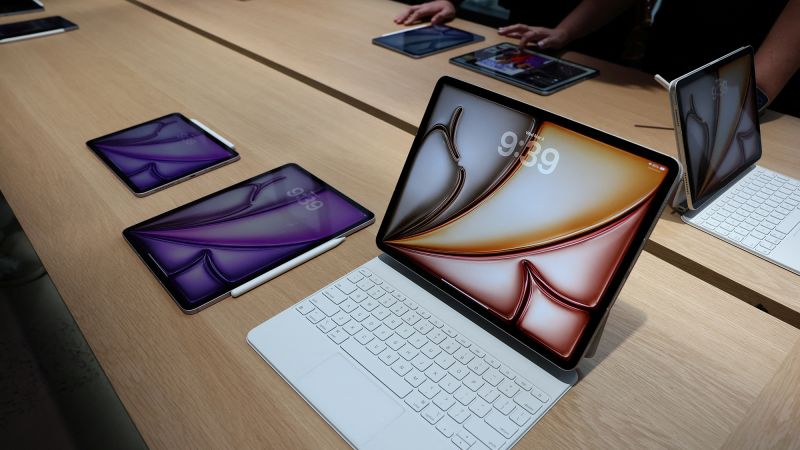
Price hikes are most pronounced in gaming consoles, tablets, and laptops. Devices such as the PlayStation 5, Nintendo Switch 2, Valve Steam Deck, and various iPad and MacBook models have seen notable price rises. Microsoft plans to increase Xbox prices in August, potentially dampening sales of smartphones and laptops, according to market projections. International Data Corporation (IDC) forecasts a 11.3% drop in global PC shipments for 2026, while the smartphone industry faces its sharpest annual decline.
Not all tech products are experiencing the same pressure. Smartwatches and wireless earbuds, which require less memory, remain relatively unaffected. However, larger devices show a mixed picture: prices will continue to climb, but the steepest increases may be behind us. “The largest price surge has already occurred,” noted Jitesh Ubrani, a consumer devices analyst at IDC. “They’ll rise at a slower pace, but they’re still on the upswing.”
“The largest bump has happened now.” – Jitesh Ubrani, director of consumer devices research at IDC
Analysts advise purchasing now to avoid further price jumps. Mike Howard, a memory analyst at TechInsights, estimates that even if component costs decrease, adjustments will take at least a year to reach consumers. However, timing matters. Many companies schedule new releases around fall, so buying a new iPad or MacBook now could prevent paying extra if a refreshed model hits the market soon.
“We should start thinking about a $1,500 iPhone instead of a $1,000 or $1,200 iPhone.” – Mike Howard, vice president of memory coverage at TechInsights
For those seeking alternatives, the secondhand market offers a potential solution. Retailers like Amazon, Apple, and Samsung provide refurbished programs, selling pre-owned devices at reduced prices. These products undergo inspection and testing before resale, as detailed on the companies’ websites. Gadjo Sevilla, an eMarketer analyst, pointed out that refurbished gadgets often perform similarly to new ones. Still, caution is advised: older models may require upgrades sooner than expected.
“These are mostly new items that are returned.” – Gadjo Sevilla, technology and AI analyst at eMarketer
Consumers might also consider boosting cloud storage or replacing batteries rather than buying new devices. The resolution of the memory shortage remains uncertain, as launching new fabrication plants involves a lengthy and intricate process. Howard emphasized the complexity of manufacturing, calling it “the most complex process on the planet.” Until then, price pressures are expected to linger.