
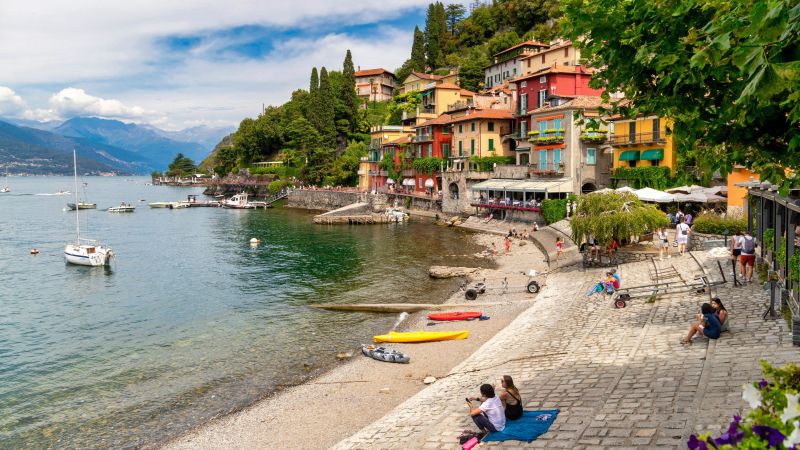
This Italian Village Imposes Fines on Tourists in Swimwear or Bare-Chested
Qwenews.com – Nestled along the serene shores of Lake Como, the charming village of Varenna has taken a bold step to address the challenges of overtourism by introducing fines for tourists who appear in swimwear or without proper attire in public spaces. This initiative, which targets visitors who stray from the village’s updated dress code, aims to preserve the local culture and ensure a more respectful environment for residents and visitors alike. The rule prohibits swimwear and bare chests in areas such as the historic streets, main thoroughfares, and public buildings, enforcing a minimum standard of modesty during walks through the town. Penalties can range up to 200 euros ($228) for individuals caught in violation, signaling a shift toward stricter enforcement of social norms in a place once known for its relaxed, picturesque atmosphere. As the village continues to attract a growing number of travelers, these measures are part of a broader strategy to maintain its unique character and manage the influx of visitors without compromising its charm.
Stricter Rules for Tourist Groups
Varenna’s efforts to curb overcrowding extend beyond individual attire, with new regulations targeting larger tourist groups. These rules include a cap of 25 people per group, with fines of up to 400 euros ($456) imposed on those exceeding the limit. Organizers are also required to avoid using loudspeakers or amplification devices in public spaces, preventing disruptive noise that can overwhelm the village’s quiet ambiance. Additionally, groups are encouraged to spread out and avoid congregating in high-traffic areas like the old town center or near popular landmarks. These changes are designed to reduce the strain on local infrastructure and allow for a more immersive experience for tourists, who are now expected to blend into the community rather than dominate it. By implementing these measures, Varenna hopes to strike a balance between tourism and the preservation of its cultural heritage.
“You do what you want, but when walking around, entering a shop, a restaurant, a church, or a square, you must dress decently,”
said a local council member during a recent press briefing. The statement reflects the village’s commitment to maintaining a standard of decorum that aligns with its traditional identity. Another official added,
“It’s not right to walk around half-naked in the town,”
emphasizing the community’s concern about the impact of unregulated tourism. The new rules are also part of a growing movement in Italy to prioritize quality over quantity in visitor numbers, as seen in the recent policies of cities like Venice and Rome.
“Tourism has gone from being ‘quality’ to ‘quantity,’ adding: ‘They walk in, they don’t say hello, they touch everything. They leave. They don’t say thank you.’”
These quotes highlight the frustration of locals, who feel that the rapid increase in tourist activity has led to a loss of hospitality and a sense of place.
Varenna’s Cultural Significance and Historical Context
As a village with a deep-rooted history dating back to ancient Roman times, Varenna has long been a cultural and architectural gem in northern Italy. Its cobblestone streets, terracotta rooftops, and views of the surrounding mountains have made it a favorite among travelers seeking a slower, more authentic pace of life. However, the rise in popularity over the past decade has brought challenges, with the village now welcoming over 500,000 visitors annually. The fines on swimwear and bare chests are part of a comprehensive plan to protect the town’s ambiance and ensure that its historical sites remain accessible and enjoyable for both residents and tourists. By encouraging visitors to adhere to local customs, Varenna hopes to foster a sense of respect and shared responsibility for the preservation of its heritage.
While the rules may seem stringent to some, they are intended to create a more harmonious environment for all. The village’s tourism office has emphasized that the fines are not meant to deter visitors but to guide them toward a more considerate approach to exploring the area. For instance, the measure applies primarily to the town’s main promenade and shopping districts, where tourists often congregate. This targeted enforcement allows the village to maintain its relaxed vibe on the beaches and boat docks, which remain open to those in swimwear. The community’s focus on modesty in public spaces also aligns with the broader Italian trend of integrating cultural preservation into tourism management, ensuring that the natural and historical beauty of places like Varenna is not overshadowed by the demands of mass tourism.
The impact of these rules is already being felt, with some tourists expressing surprise at the new expectations. However, others have embraced the change, noting that it adds a sense of authenticity to their visit. Local businesses, such as family-run restaurants and artisan shops, have also welcomed the policy, as it encourages a more appreciative and respectful clientele. Meanwhile, the fines collected from violations will be used to fund initiatives that benefit the village, including maintenance of historic buildings and environmental conservation projects. As Varenna continues to refine its approach, the experience of visiting this enchanting destination is evolving, offering a glimpse into how smaller Italian towns are navigating the complexities of modern tourism while safeguarding their unique character. These measures not only highlight the village’s dedication to quality over quantity but also set a precedent for other areas seeking to balance the demands of travel with the preservation of local traditions.