
How Cracker Barrel Revived Its Southern Roots and Regained Customer Trust
Qwenews.com – Cracker Barrel’s journey to recovery began with a bold rebranding initiative that initially sparked widespread criticism. After a significant redesign six months prior, CEO Julie Felss Masino faced skepticism as the iconic Southern diner’s image seemed to shift away from its traditional charm. However, the company has since made strides in restoring its reputation. Recent financial results indicate a turning point, with Cracker Barrel not only exceeding revenue projections but also updating its annual forecast. The stock price has risen by 100% this year, a clear sign that investors are aligning with the brand’s new direction. This resurgence underscores how Cracker Barrel saved itself through strategic changes that resonated with both longtime customers and new audiences.
From Backlash to Revival
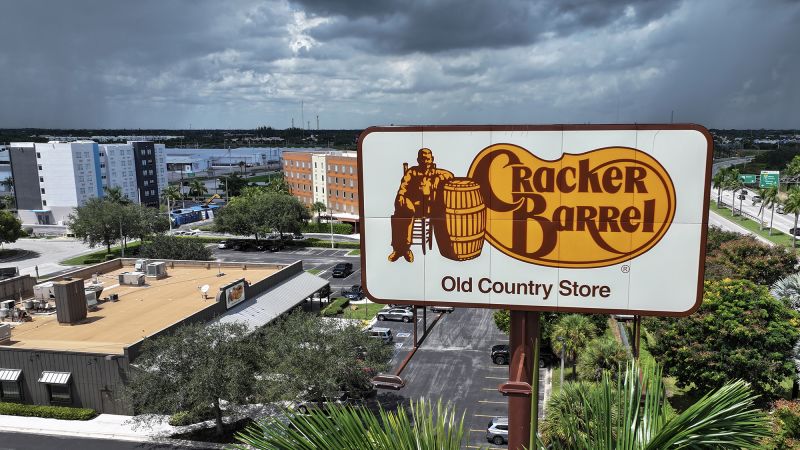
When Cracker Barrel unveiled its redesigned locations, the change was met with mixed reactions. The overhaul, part of a $700 million transformation aimed at modernizing the brand, replaced the rustic dark wood interiors with a brighter, more contemporary aesthetic. The removal of the beloved souvenir-filled walls and the introduction of a new logo stirred controversy, particularly among nostalgic patrons. The shift was not just visual but also symbolic, as it signaled a departure from the Southern comfort food ethos that had defined the brand for decades. Even President Donald Trump weighed in, criticizing the redesign as a loss of Americana’s soul. This cultural debate highlighted the deep emotional connection consumers had with the original Cracker Barrel identity.
“It’s really difficult to be at the helm of a brand that has the kind of legacy and reputation that Cracker Barrel does, because that’s powerful,” said Robert Byrne, senior director of consumer research at Technomic. “When you try to effect changes – in attempts to modernize the brand in one way or another — that’s a thorny issue for a lot of consumers.”
Recognizing the need for a pivot, Masino adjusted her approach. Instead of amplifying the redesign’s narrative, she became more selective in her communication, sharing insights only during earnings calls, industry conferences, and a November interview with conservative radio host Glenn Beck. During that conversation, she reflected on the disconnect between the brand’s visual overhaul and its core customer base. “What we didn’t see in the data was the way that people see themselves in the logo,” she explained, emphasizing that the absence of the “old timer” and the iconic barrel left a void in the brand’s storytelling.
Rebuilding Trust and Attracting New Audiences
To counter the backlash, Cracker Barrel’s leadership focused on aligning its offerings with customer expectations. The menu became a central point of revival, with the reintroduction of beloved Southern staples like country ham, fried catfish, and carrot cake. These items, once staples of the brand, were paired with value-focused promotions such as under-$10 meals and limited-time offers. The company also replaced its marketing agency, opting to rehire a former executive with expertise in menu planning. This decision reflected a commitment to authenticity, ensuring that the brand’s updates felt genuine rather than forced.
Cracker Barrel’s loyalty program, which now boasts nearly 12 million members, played a crucial role in the turnaround. These members, who contribute over 40% of the chain’s total sales, were further engaged through enhanced rewards and personalized experiences. Simultaneously, gift shops were redesigned to highlight patriotic merchandise, a move that Masino framed as a celebration of American heritage. These efforts not only strengthened customer loyalty but also reinforced the brand’s connection to its roots, helping to rebuild trust in a way that felt deliberate and meaningful.
Cracker Barrel’s strategic shifts have yielded tangible results. Despite a 6.7% drop in visits during the latest quarter, analysts note a steady upward trend in customer satisfaction. R.J. Hottovy of Placer.ai highlighted that the combination of affordable pricing and nostalgic menu items has successfully captured the attention of restaurant consumers in a challenging economic climate. “The limited-time offerings and value-focused pricing align with what restaurant consumers want in today’s macroeconomic environment, while the returning favorites help rekindle customers’ nostalgia for the brand,” Hottovy stated. Technomic’s data also supports this, showing improvements in service, food quality, and cleanliness that have elevated the overall dining experience.
As Cracker Barrel continues to refine its approach, the focus remains on balancing modernization with tradition. The brand’s ability to adapt while preserving its essence has been key to its recovery. Masino’s acknowledgment of the redesign’s shortcomings and her commitment to listening to customer feedback demonstrate a leadership style that prioritizes connection over change for change’s sake. With the Southern comfort food legacy still intact, Cracker Barrel’s strategy is proving that even a beloved brand can evolve without losing its soul. The company is not only regaining its footing but also redefining its place in the competitive fast-casual dining landscape, a testament to how Cracker Barrel saved itself through both innovation and integrity.