
Oil Market Volatility Amid Regional Tensions
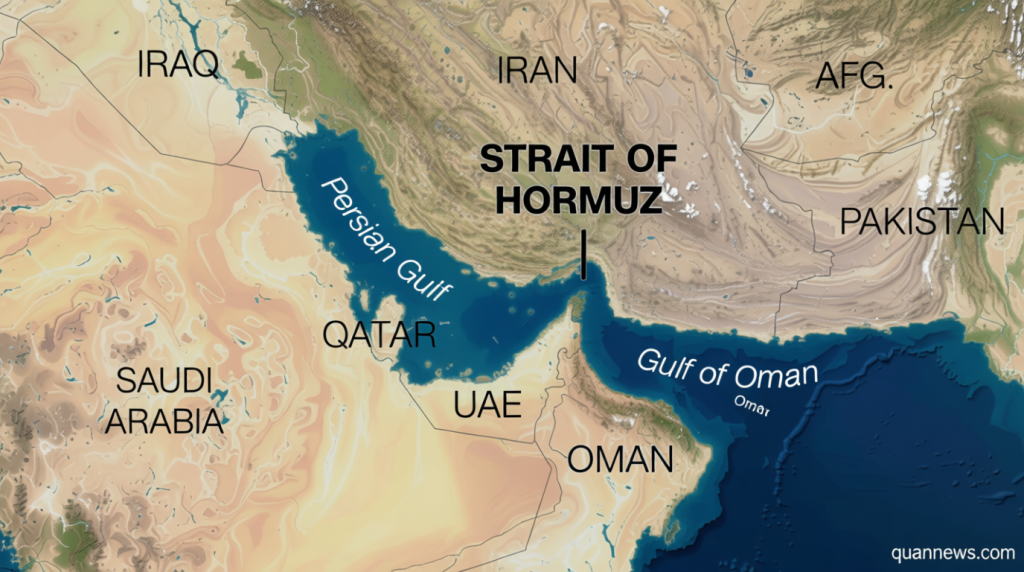
Qwenews.com – The recent hostilities between the United States and Iran have caused global crude oil prices to surge. As of now, the peace agreement signed by the U.S. and Iran has led to a gradual decline in fuel costs. Analysts are closely monitoring Iran’s strategy to expand maritime traffic through the Strait of Hormuz, a critical passage for international oil shipments.
CNN is providing real-time updates on oil and gasoline price movements, along with data on shipping activity in the strait. The negotiations in the Middle East have already begun to stabilize markets, with U.S. gas stations reporting average prices under $4 per gallon for regular fuel. This marks the first time since March 30 that gasoline prices have fallen below the $4 threshold, according to AAA.
Strait of Hormuz: A Strategic Shipping Route
The Strait of Hormuz remains a focal point for global energy supply chains. Experts caution that increased vessel traffic may not resume swiftly, citing ongoing uncertainties in the region. The waterway’s significance underscores its role in influencing international oil prices and fuel availability.
State-Level Gas Price Trends
Tracking gas prices by state reveals varying impacts from the conflict. During the peak of the war, fuel costs reached their highest level in over three years. Now, as tensions ease, regional price differences are emerging. For detailed insights, visit CNN’s interactive map showing price changes across states.
“The agreement has created a window for market stabilization, but lingering risks could still affect prices,” said CNN’s Chris Isidore, who contributed to this report.