
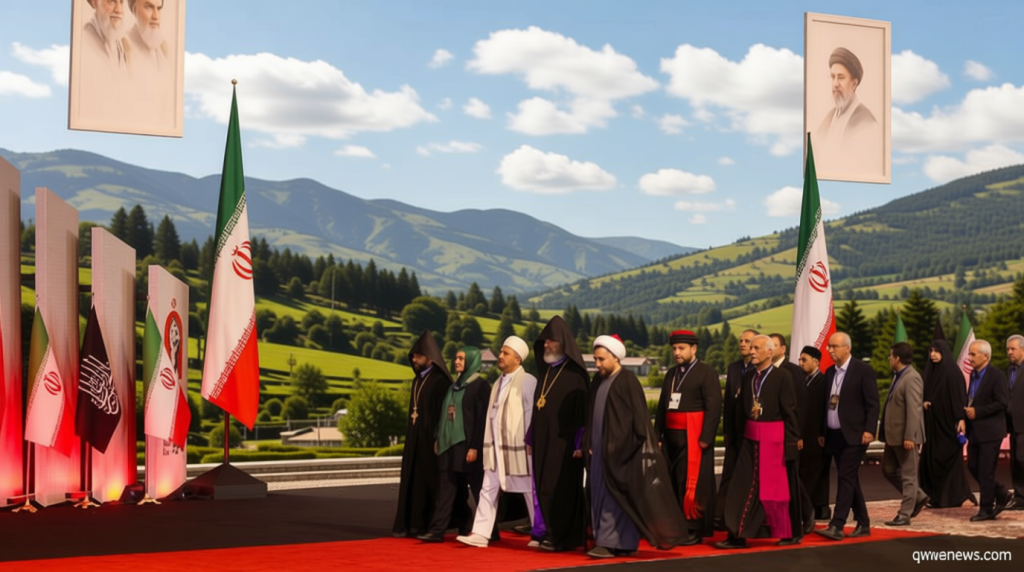
Iran Sends a Defiant Message to Trump with Colossal Funeral for Supreme Leader Ali Khamenei
Qwenews.com – Iran’s mourning of Supreme Leader Ali Khamenei has taken on a grand scale, with the country’s leaders organizing a sweeping ceremony across five cities in two nations. The event, held just over four months after Khamenei’s assassination by US and Israeli forces, is framed as a powerful demonstration of resistance against Western powers. By honoring their leader with an elaborate display of national unity, Iran sends a clear message: the country remains undeterred in its opposition to foreign interference, even in the face of economic hardship and military pressure.
The Symbolism of the Timing
Choosing the 250th anniversary of American Independence as the backdrop for Khamenei’s funeral adds layers of political significance. The timing coincides with a major Shiite observance of a revered religious figure’s martyrdom, reinforcing the connection between Iran’s leadership and its Islamic heritage. This dual symbolism positions Khamenei not only as a political icon but also as a spiritual martyr, amplifying the defiant message Iran aims to convey to the world, including its former president, Donald Trump.
Organizing the funeral required extensive coordination among government workers, religious leaders, and community groups. Thousands of participants, including soldiers, laborers, and even firefighters, ensured the seamless execution of the event. In Iraq, where Shiite Muslims form the majority, the ceremony is expected to draw massive crowds, blending national pride with religious devotion. The scale of the gathering underscores Iran’s commitment to maintaining its cultural and political identity, even as it faces ongoing challenges from international sanctions and regional conflicts.
A Defiant Legacy in Death
“The assassination of Ali Khamenei has become a rallying cry for the Iranian people, reminding them of the sacrifices made in defense of their sovereignty,” said Mohammad Bagher Ghalibaf, a senior parliamentary leader. “This funeral is a testament to our enduring resolve, and it shows the world that Iran will not be silenced.”
Iran’s leaders have emphasized that the funeral’s grandeur is not merely ceremonial but a strategic move to solidify Khamenei’s legacy. By showcasing the nation’s unity and resilience, the event reinforces the idea that Iran’s defiance is both a cultural and political stance. The funeral also serves as a reminder of the growing influence of Khamenei’s son, Mojtaba Khamenei, who has emerged as a key figure in the public eye, signaling a generational continuity in the country’s resistance movement.
Historically, Iran has used large-scale funerals to bolster its national narrative. The 1989 commemoration of Ayatollah Ruhollah Khomeini, the founder of the Islamic Republic, and the 2020 mourning of Quds Force commander Qassem Soleimani were both marked by massive turnout and symbolic gestures. These events not only honored the deceased but also projected strength to both domestic and international audiences. The current funeral for Khamenei follows a similar pattern, aiming to assert Iran’s unbroken commitment to its ideological foundations.
Analysts note that the funeral’s scale and timing are deliberate. By aligning the event with the Islamic month of Muharram—a period of profound mourning in Shia tradition—the government reinforces Khamenei’s role as a religious authority. This move also highlights Iran’s ability to rally its population despite recent setbacks, including economic instability and ongoing military tensions. The defiant message sent through this ceremony is a reminder of the country’s enduring spirit and its determination to resist external pressures.