
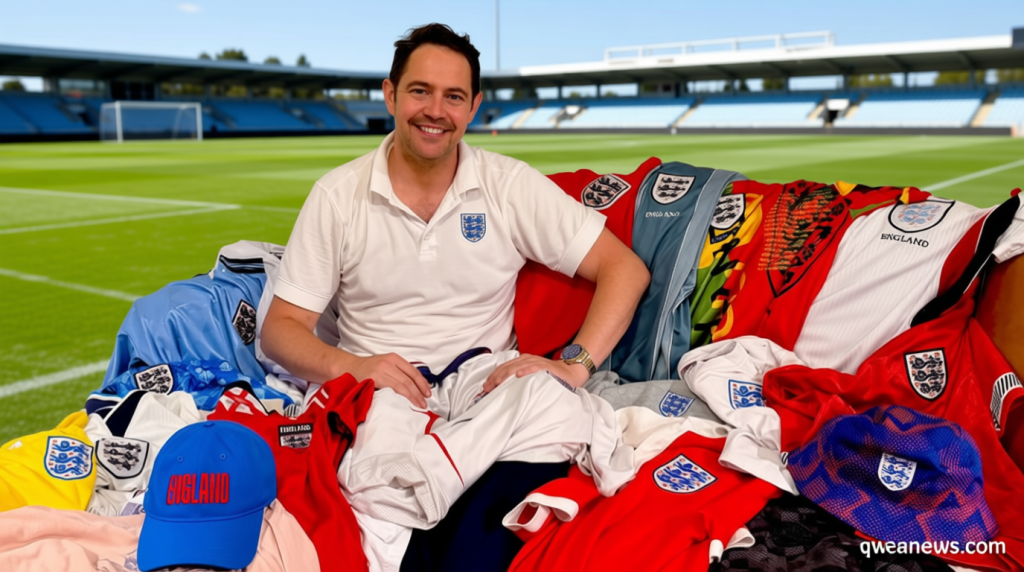
How you decide which of more than 30 soccer jerseys to wear to your team’s World Cup game
Qwenews.com – As the World Cup approaches, the question of how you decide which of more than 30 soccer jerseys to wear for your team’s upcoming matches becomes more than a simple choice—it’s a blend of nostalgia, performance, and personal significance. For fans, these kits are more than fabric; they represent decades of history, pivotal moments, and the emotional ties that bind a nation to its sport. From vintage designs to modern-day versions, the decision involves weighing factors like color symbolism, historical milestones, and even the role of iconic players.
Key Considerations in Selecting the Perfect World Cup Jersey
When faced with a collection of over 30 jerseys, a structured approach helps simplify the decision. The first step is to eliminate less relevant options, such as t-shirts, training tops, or unused kits. These items, while comfortable, lack the ceremonial weight of a World Cup game. For example, the 1989 baby blue third kit or the 1990 black-out homage shirt might be cherished for their unique designs, but they often feel out of place during high-stakes matches. The 1990 red jersey, famously featured in “The Inbetweeners” movie, was also set aside, despite its cultural resonance.
Next, focus on the color and its historical performance. Red has consistently symbolized England’s competitive edge, with a reported 79% win rate in major tournaments, compared to 75% for white. This statistic, while anecdotal, underscores a pattern: red jerseys have often been worn during decisive victories, making them a popular choice for fans seeking a lucky charm. However, the decision isn’t purely statistical. Some kits carry deeper emotional weight, such as the white home kit from 1990, which was worn during the semifinal loss to Germany—a moment that still resonates with many supporters.
Emotional Weight and Iconic Moments
Jerseys can be tied to specific memories, making the selection process deeply personal. The Euro 96 away gray kit, for instance, remains a poignant reminder of heartbreak, while the 2010 red jersey is associated with Frank Lampard’s controversial goal against Germany. These associations create a narrative that transcends the fabric of the kit, influencing fans’ preferences. Even the 1986 white jersey, worn in the Argentina match featuring Maradona’s “Hand of God,” holds a unique place in the collective psyche of the nation.
Ultimately, the choice between jerseys often hinges on the balance between tradition and modernity. While some fans might opt for a classic design like the 1966 Bobby Moore No. 6 shirt, others prefer the bold aesthetics of newer kits. This duality is part of what makes the decision so intriguing. The 2004 European Championship Beckham No. 7 shirt, for example, represents a modern era of England’s soccer history, yet it still carries the legacy of the team’s achievements during that tournament.
The Final Decision and Its Symbolism
After narrowing down the options, the final selection often comes down to a combination of practicality and sentiment. In this case, the 2004 red away kit, worn in a dramatic 4-2 group stage victory over Croatia, became the chosen symbol of the team’s resilience. Its design, blending the iconic red color with the practicality of a competition-ready jersey, resonated as the perfect representation of the team’s current form. Meanwhile, the 1966 Bobby Moore No. 6 shirt was reserved for the final, ensuring that no jersey was repeated on game day.
For many fans, the World Cup jersey is more than an article of clothing—it’s a declaration of loyalty and a connection to the team’s journey. Whether it’s a vintage kit from a historic match or a newer design that reflects the team’s modern identity, the act of choosing one over the others is a celebration of the sport’s rich history and the shared excitement of the moment. The final match against DR Congo in Atlanta, for instance, was a milestone that brought a sense of closure and pride to the collective experience of fans. This jersey, now worn in victory, serves as a testament to the power of the game to unite and inspire.