
They Were the Unsung Heroes: A Tragic Milestone in Wildland Firefighting
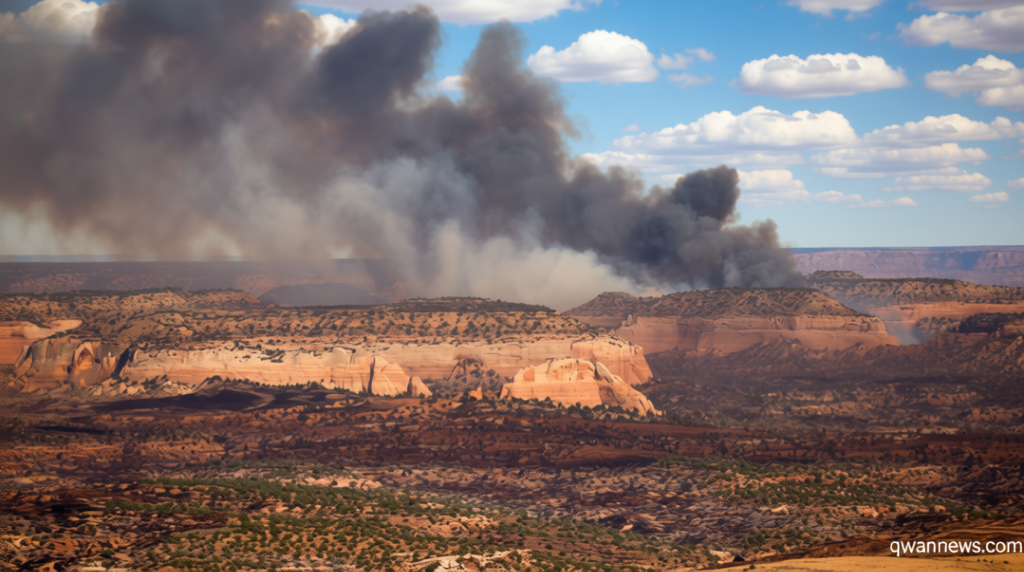
Qwenews.com – They were the unsung heroes of the wildland firefighting community — a team of dedicated professionals who risked their lives to protect Colorado’s natural landscapes. On Saturday, the Knowles Fire near the state’s western border rapidly escalated, engulfing the Rifle County Helitack crew in a matter of hours. The flames, fueled by extreme heat and strong winds, created a life-threatening situation that left the firefighters with no time to retreat. As the fire spread, it merged with other blazes to form the Snyder Fire, which now threatens thousands of acres of land. This incident has not only claimed three lives but also marked a significant turning point for the new Wildland Fire Service.
Understanding the Wildland Fire Service’s Challenges
The recent fatalities have exposed the growing risks faced by wildland firefighters as they respond to increasingly severe wildfires. The US Department of Interior confirmed the deaths of three individuals: Emily Barker, 38; Nick Hutcherson, 27; and Sydney Watson, 27. Barker and Hutcherson were Forest Service members, while Watson was part of the newly formed Wildland Fire Service, which was established in January to address the escalating demand for wildfire management. This tragedy is the first recorded loss for the federal agency, raising concerns about the readiness of its teams in high-intensity conditions.
“The conditions we’re seeing now are unlike anything we’ve encountered in previous seasons,” said a spokesperson for the Interior Department. “The flames are moving faster, the heat is more intense, and the unpredictable weather patterns are testing our preparedness at every turn.”
Wildland fires have become more frequent and destructive due to climate change, which has altered precipitation patterns and extended fire seasons. Firefighters like those in the Snyder Fire’s containment efforts now face extended periods of exposure, often in remote areas where evacuation is difficult. Helitack teams, such as the one from Rifle County, parachute into zones to drop water and suppress flames, while other crews work on the ground to create firebreaks. These operations require rapid decision-making and physical endurance, making them inherently dangerous.
A Changing Landscape for Firefighting
As wildfires intensify, the role of the Wildland Fire Service is evolving to meet new challenges. The Snyder Fire, which has scorched over 28,000 acres, exemplifies the scale and complexity of these events. The fire’s behavior, including sudden flare-ups and erratic spread, has left crews scrambling to adapt. According to Burk Minor, director of the Wildland Firefighter Foundation, the profession is no longer just about battling flames in the mountains — it’s about confronting a global crisis that demands innovative strategies and enhanced safety protocols.
“They were the unsung heroes who worked tirelessly in the most demanding conditions,” said Minor, reflecting on the recent loss. “Their sacrifice highlights the urgent need for better training, equipment, and support systems as we face more extreme wildfires.”
The incident underscores the emotional toll on firefighters and the communities they serve. As the caskets of Barker, Hutcherson, and Watson arrived in Grand Junction, Colorado, the solemnity of the moment resonated with both families and colleagues. The cloudless sky above the city contrasted with the chaos of the fire, symbolizing the stark divide between safety and danger. This tragedy has sparked discussions about the future of wildland firefighting, emphasizing the importance of preparedness and resilience in the face of climate-driven disasters.
With wildfires becoming more frequent and severe, the Wildland Fire Service is under pressure to innovate and improve. The recent fatalities have led to calls for increased funding, better communication systems, and advanced technology to monitor and predict fire behavior. While the service has grown to address the rising demand, the tragedy serves as a somber reminder that even the most experienced firefighters are not immune to the perils of their job. As the Snyder Fire continues to burn, the focus remains on honoring the fallen and strengthening the frontline efforts that protect both people and the environment.