
Ukraine Launches Major Drone Attack on Moscow, Targeting Satellite Center and Killing Baby
Qwenews.com – On June 30, 2026, Ukraine executed a significant drone strike on Moscow, marking a new escalation in its long-standing campaign against Russian infrastructure. The attack, which hit the Dubna Satellite Communications Center, is believed to be the second such strike on the facility in less than a week. This strategic move aims to disrupt Russia’s intelligence operations and communications, as highlighted by President Volodymyr Zelensky, who emphasized the attack’s role in pressuring Moscow to end the ongoing conflict in Ukraine.
Impact on Moscow Region
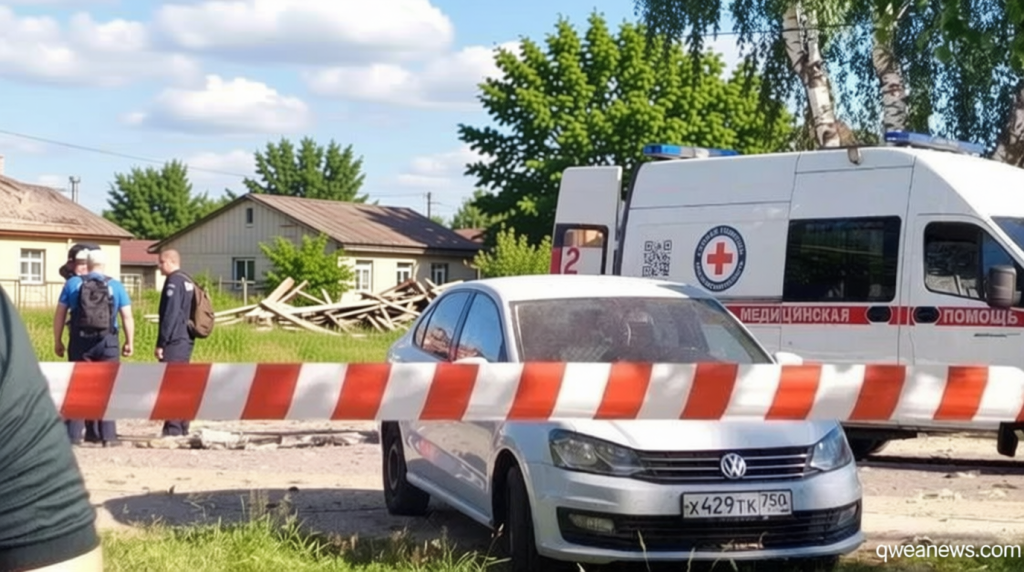
The Dubna facility, located approximately 500 kilometers from the Ukrainian border and north of Moscow, is a critical hub for Russian military coordination. Russian officials, including Moscow region governor Andrey Vorobyov, confirmed that a drone targeted an “administrative building” in the town, though they reported no immediate casualties. However, the attack had a tragic consequence in Yegoryevsk, where a six-month-old baby died after a drone crashed into a residential home. The incident left several individuals injured, with rescue teams extracting two adults and two children, though the infant did not survive the journey to the hospital.
“Civilians are suffering, children are dying,” said Kremlin spokesman Dmitry Peskov during a press briefing, criticizing Ukraine’s actions in the Moscow region. The remarks underscore the growing concern over the humanitarian toll of the conflict, as attacks on Russian territory continue to draw public outrage.
Meanwhile, the attack has sparked a broader response from Russian authorities. Moscow Mayor Sergey Sobyanin noted that Russian air defenses intercepted over 60 drones launched toward the capital since Monday night. The Ministry of Defense reported that 419 drones had been destroyed or captured overall, highlighting the effectiveness of Russian defenses but also the persistence of Ukrainian attacks. This marks a critical phase in the war, with Kyiv intensifying its strikes deep within Russia’s borders.
Strategic Significance of Dubna
The Dubna Satellite Communications Center holds immense strategic value for Russia. It serves as a vital link for coordinating military operations in Ukraine and transmitting intelligence data. By targeting this facility, Ukraine has sought to weaken Moscow’s operational capabilities and disrupt its command structure. The previous attack on June 22, 2026, had already caused some damage, though Russian state news agency TASS claimed that communications and broadcasts remained unaffected. This latest strike, however, has raised questions about the long-term viability of Russia’s infrastructure in the face of sustained drone assaults.
Ukraine’s military has attributed its successes in penetrating Russian air defenses to a deliberate strategy of disabling radars in the Bryansk border region. This “open corridor” in the enemy’s defensive system allows drones to reach their targets with greater precision. Analysts suggest that such attacks are part of a larger effort to demonstrate Kyiv’s ability to strike deep into Russian territory, potentially altering the psychological balance of the war. The drone campaign has also drawn attention to the evolving tactics of both sides, with Russia adapting its defenses while Ukraine continues to refine its offensive capabilities.
The incident in Yegoryevsk has intensified scrutiny on the humanitarian impact of Ukraine’s operations. While the primary goal of the attack was strategic, the loss of the baby has amplified public sentiment in Russia against the conflict. Local officials in the Moscow region have called for increased measures to protect civilian areas, though they have not yet commented on the possibility of retaliatory strikes. As tensions rise, the attack underscores the growing complexity of the war, with both sides facing challenges in balancing military objectives with civilian safety.