
Progressives look to Colorado as next test of a rising movement
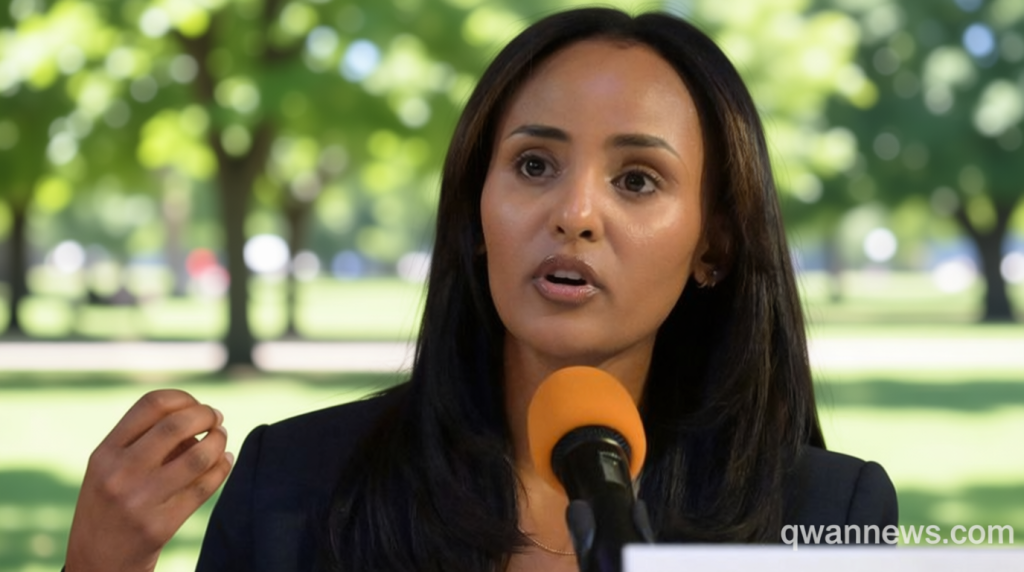
Qwenews.com – Progressives are now turning their gaze to Colorado as the next defining battleground for a rapidly growing movement seeking transformative change. In the wake of recent breakthroughs in New York City, where progressive voices reshaped the political landscape, the 1st Congressional District in Colorado has emerged as a focal point. Melat Kiros, a 29-year-old democratic socialist and attorney, is challenging 15-term Representative Diana DeGette, a long-standing Democratic stalwart, in a race that could signal a broader realignment in American politics. With a majority of Colorado voters unaffiliated, the contest has become a microcosm of the national shift toward more radical progressive agendas.
The new power broker: How Zohran Mamdani muscled NYC’s Democratic establishment
Zohran Mamdani, a prominent progressive activist and former New York City councilmember, has played a critical role in amplifying the voices of grassroots leaders. His endorsement of Melat Kiros in Colorado’s race has drawn attention to the influence of urban progressive networks in shaping electoral outcomes. Mamdani’s rise as a power broker highlights how younger, more radical leaders are leveraging social media and direct engagement to challenge traditional party structures. His strategies, which include targeted messaging and coalition-building, are now being replicated across other battleground states, underscoring the national impact of the movement.
“Voters are no longer satisfied with incremental changes—they’re demanding bold action,” said Usamah Andrabi, a Justice Democrats spokesperson. “This race in Colorado is a next step in that journey, proving that progressive ideas can resonate even in traditionally Democratic strongholds.” Andrabi emphasized that the organization’s rapid mobilization and financial support have helped candidates like Kiros gain traction. This focus on grassroots energy and equitable representation is reshaping the political terrain, particularly in states where voter sentiment is shifting toward more left-leaning policies.
The stakes of the 1st Congressional District race
The 1st Congressional District, which spans from Denver to the surrounding suburbs, is historically a Democratic stronghold. However, the 2026 election has introduced new dynamics. Kiros, who previously served as a Denver public defender, has positioned herself as a challenger willing to disrupt the status quo. Her campaign centers on issues like affordable housing, climate action, and a critique of U.S. foreign policy, particularly its relationship with Israel. These positions align with the broader goals of the democratic socialist movement, which seeks to restructure economic and social systems to prioritize equity and sustainability.
DeGette, meanwhile, has maintained a strong presence in the district, emphasizing her experience and record of legislative achievements. She argues that the race reflects a test of whether progressive voters will support a candidate who deviates from mainstream Democratic policies. “This is the next moment for the people of Colorado to choose leaders who truly represent their values,” DeGette said. “While I understand the desire for change, I believe the key is to deliver tangible results for working families.” Her campaign highlights the tension between the party’s traditional priorities and the push for more progressive reforms.
DeGette’s campaign faces a unique challenge in the party-run caucus system, which requires 30% support from Democratic activists to qualify for the primary ballot. Kiros exceeded this threshold, demonstrating strong backing from grassroots organizations. A third candidate, University of Colorado Regent Wanda James, bypassed the caucus by gathering direct voter signatures, a move that reflects the growing diversity of strategies within the progressive movement. This race has become a case study in how different approaches can shape the trajectory of political change in Colorado and beyond.
Progressives look to Colorado as the next phase of their expanding influence, with the state’s mix of urban and suburban voters offering a unique opportunity to test their messaging. The district’s demographic composition, which includes a significant number of young, minority, and working-class residents, makes it a strategic target for the movement. Kiros’ campaign has also emphasized her legal background as a tool for advancing progressive causes, a tactic that resonates with voters disillusioned by the current political establishment. As the race progresses, it will serve as a next benchmark for the movement’s ability to translate energy into electoral success.
Despite the momentum, the campaign has not been without controversy. Kiros’ support for Israel’s removal has drawn criticism from some in the district, particularly from activists who view her stance as too moderate. Her dismissal from a law firm in 2023 for refusing to remove an open letter defending student protesters who called for Israel’s elimination further fueled debate. While these issues have impacted her campaign, they have also galvanized a segment of the electorate that sees her as a symbol of the movement’s evolving identity. The next chapter of the race will likely hinge on how effectively her team can navigate these challenges and broaden their appeal.
Progressives look to Colorado as the next battleground in a struggle to redefine the Democratic Party’s platform. If Kiros succeeds, it could embolden other candidates to