
France Confirms First Ebola Case Outside Africa in Response Worker
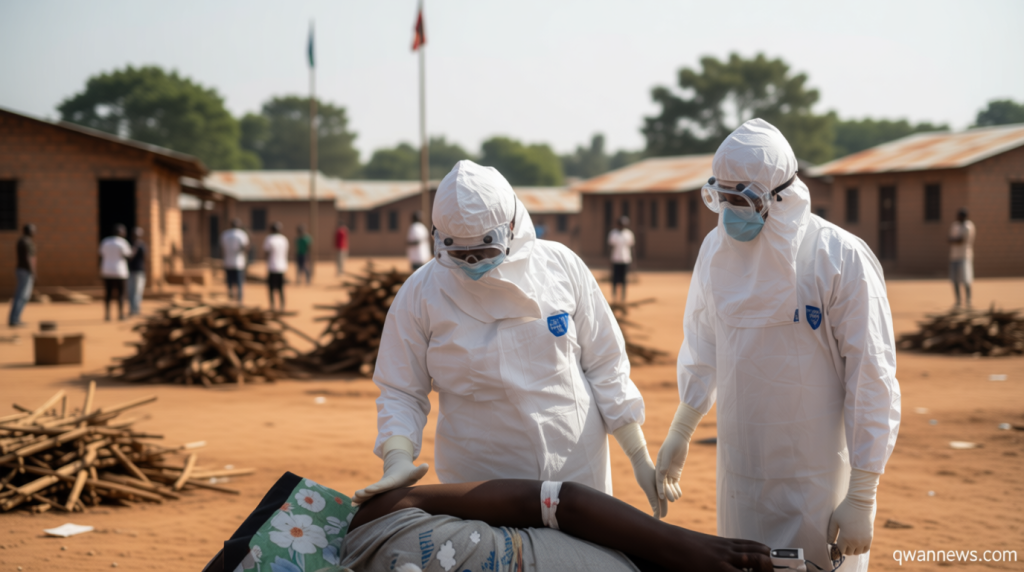
Qwenews.com – The ebola response worker who traveled from the Democratic Republic of the Congo (DRC) to France has become the first confirmed case of the virus outside the African continent. French health authorities announced this development on Wednesday, marking a significant moment in the ongoing second major Ebola outbreak. This individual, whose identity has not been disclosed, is now being monitored in a specialized facility after returning from a mission in the DRC, where the outbreak has been primarily centered. The case underscores the global reach of the virus and the importance of vigilant health protocols in international travel.
As of the latest updates from the World Health Organization (WHO), the DRC outbreak has resulted in over 277 confirmed fatalities, with two additional deaths recorded in Uganda. More than 1,000 cases have been officially reported in the DRC alone, highlighting the severity of the situation. The ebola response worker who traveled to France is currently in stable condition following prompt medical intervention. This positive test, however, raises concerns about the potential for further spread, particularly as the Bundibugyo strain—less common than the Zaire strain—continues to pose challenges in containment.
Containment Measures and Public Health Response
French officials have emphasized swift action to isolate the ebola response worker who traveled and prevent transmission. Upon arrival, the worker was immediately placed in quarantine and transferred to a secure hospital, where they are receiving specialized care. Health authorities are now conducting an extensive investigation to identify and monitor individuals who may have come into contact with the infected worker. Those identified as close contacts will be required to undergo a 21-day home quarantine, a standard protocol to mitigate the risk of the virus spreading within the country.
“All precautionary measures—specifically patient isolation—were implemented immediately upon arrival in the country, including a secure hospital transfer to prevent any risk of transmission,” stated the French Ministry of Health in a formal release. The ministry also highlighted the use of advanced diagnostic tools and rapid response teams to ensure the situation is under control. This case has prompted increased vigilance at French borders and among healthcare professionals handling similar cases.
The European Centre for Disease Prevention and Control (ECDC) has noted that the risk to the general European population remains low, though the presence of the ebola response worker who traveled underscores the need for continued monitoring. France has already established a robust system for tracking returning healthcare workers, which includes regular screenings and real-time reporting of potential exposures. This proactive approach is critical in preventing any resurgence of the virus within the country’s borders.
Global Implications and Historical Context
The confirmation of the ebola response worker who traveled as the first case outside Africa is a pivotal moment in the global fight against the disease. While the DRC continues to bear the brunt of the outbreak, this case serves as a reminder of the interconnectedness of public health systems worldwide. Historically, the ebola response worker who traveled has been a key factor in international spread, with prior instances such as the 2014-2016 West African epidemic leading to cases in the United States, Spain, and Italy.
“Whenever a case happens in Europe or other parts of the world outside Africa, I see overreaction, but I don’t think overreaction is needed,” said WHO Director-General Tedros Adhanom Ghebreyesus during a recent press briefing. He pointed out that fewer than 30 cases have been documented outside the African continent since the first outbreak nearly half a century ago. The ebola response worker who traveled to France is a testament to the global preparedness efforts, even as the Bundibugyo strain tests the limits of current containment strategies.
Meanwhile, the WHO has acknowledged that the outbreak in the DRC is still outpacing containment efforts. The organization has called for accelerated research into antiviral therapies, with trials for two experimental treatments set to begin next week. These trials aim to assess their efficacy against the Bundibugyo strain, which has been responsible for this case and others in the region. The ebola response worker who traveled will play a crucial role in understanding how the virus spreads in non-African settings, particularly through close contact with infected individuals.