
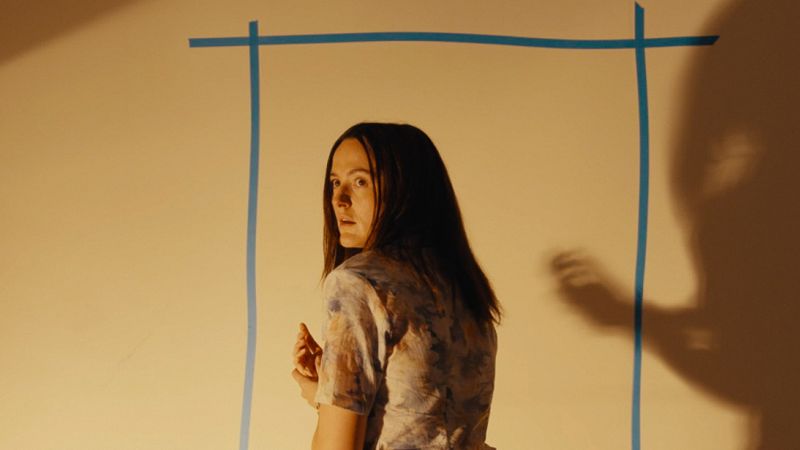
Boo Who Gen Z Loves Horror: A Reflection of Real-Life Fears
Qwenews.com – Gen Z’s deep fascination with horror has sparked a new era in the genre, with phrases like “Boo who Gen Z loves” becoming a cultural shorthand for their emotional connection to frightening narratives. This generation, raised in an age of constant upheaval—from economic uncertainty to climate crises and digital surveillance—has found solace in horror films that mirror their anxieties. As the world becomes increasingly unpredictable, the demand for stories that confront existential dread has grown, making horror a powerful lens through which Gen Z processes their reality.
The Shifting Landscape of Horror and Gen Z’s Anxiety-Driven Preferences
From Supernatural Thrills to Social Commentary
Horror films like *Obsession* and *Backrooms* have become emblematic of Gen Z’s evolving tastes, blending supernatural elements with relatable social issues. Directed by Curry Baker, a 26-year-old YouTuber, *Obsession* explores themes such as red pill culture and gender dynamics, resonating with a generation that values honesty and introspection. Similarly, *Backrooms*, crafted by Gen Z filmmaker Kane Parsons, channels psychological unease and isolation, reflecting concerns about climate disasters and the omnipresence of technology in daily life. These films are not just about jump scares—they’re about the deeper, often unspoken fears that shape young minds.
“The genre of horror has kind of shifted with Gen Z, where it’s exploring some darker real life concepts sometimes rather than just the gore and things like that,” said Lauren Cook, a therapist and author of *Generation Anxiety: A Millennial and Gen Z Guide for Staying Afloat in Uncertain Times*. This shift indicates that Gen Z is no longer content with superficial scares; they want horror that speaks to their lived experiences.
Why Gen Z Connects with Horror on a Deeper Level
Gen Z’s preference for unflinching storytelling is a key driver of their horror obsession. According to Cook, the generation “can sit with that morbidity a little bit more than maybe previous generations have,” embracing the genre’s ability to dissect societal pressures and personal traumas. This mindset is further amplified by the rise of social media, where users are constantly exposed to curated versions of reality—often highlighting the worst aspects of life, from mental health struggles to political divides. Horror films, with their unapologetic exploration of darkness, offer a cathartic escape, allowing young viewers to confront fears in a controlled environment.
Historical Context and the New Gen Z Horror Era
From Slasher Films to Psychological Realism
Generational shifts in horror trends are not new. As Kaitlyn Ruano, a 23-year-old educator analyzing media on her site *The Drama Drive-In*, noted, each era has its own subgenre shaped by the anxieties of the time. In the 1970s, slasher films thrived on teenage fears of violence and rebellion, while the 1980s and 1990s saw a focus on “Satanic panic” movies like *The Craft*, reflecting cultural debates about gender and spirituality. The 2000s, on the other hand, leaned into action-driven horrors such as zombie apocalypse films, which paralleled the global war on terror and America’s militaristic fervor.
“Moving into the 2000s, we had horror that almost seems more like action based. That’s where we had all the zombie movies and, in my opinion, I think it’s really reflective of the war on terror in America’s kind of militaristic environment there,” Ruano explained. This pattern continues, with today’s Gen Z horror films addressing modern concerns like AI-induced anxiety and environmental collapse.
Statistical Evidence of Gen Z’s Horror Engagement
Statista data underscores the generational shift, revealing that 91% of Gen Z viewers regularly consume horror content, a figure that surpasses any other age group. Cathy Boxall, global head of entertainment at Dentsu, highlighted that this makes Gen Z the most engaged demographic in horror entertainment. Additionally, horror now accounts for 17% of North American ticket sales, a significant increase from 4% a decade ago. These numbers suggest that the genre is not just surviving—it’s thriving, driven by the unique fears of this generation.
Recent box office successes, such as *Backrooms* becoming the youngest filmmaker in Hollywood history to top the charts, further validate this trend. With $80 million in North American revenue and $120 million globally, *Backrooms* exemplifies how Gen Z’s connection to horror is reshaping the industry. Similarly, *Obsession*, backed by Focus Features and Blumhouse, achieved nearly $150 million in total revenue since its May 15 debut, despite a modest $750,000 production budget. These figures reflect not only the genre’s popularity but also its ability to captivate a generation that values authenticity and depth in storytelling.
As Gen Z continues to navigate a world of rapid change, their love for horror will likely deepen. The phrase “Boo who Gen Z loves” captures more than a casual interest—it symbolizes a profound emotional engagement with a genre that speaks to their fears, hopes, and the complexities of modern life. Whether through psychological chills or social critiques, Gen Z’s horror obsession is a testament to their resilience in the face of uncertainty.