
America is in the middle of the biggest property tax revolt in 50 years
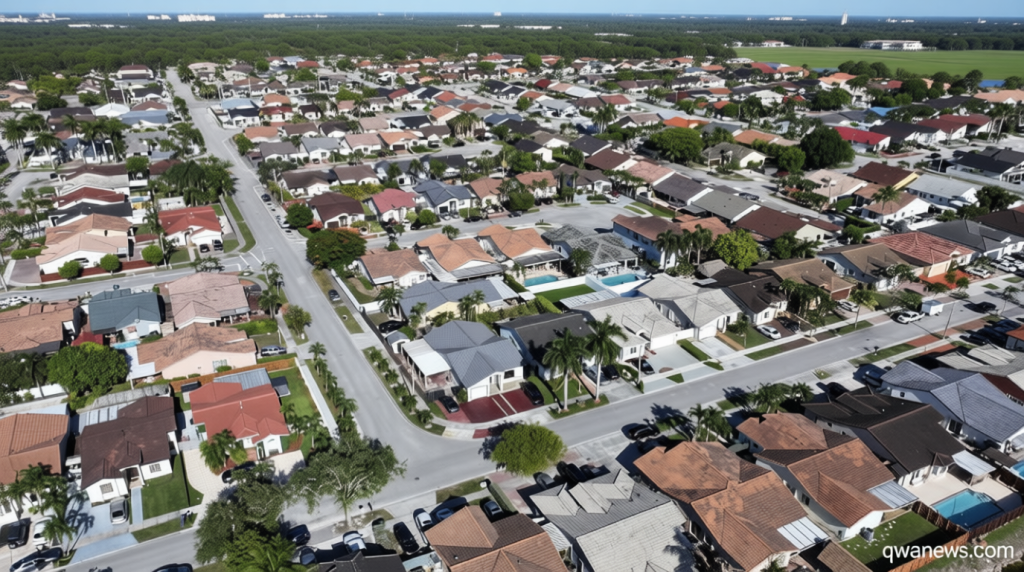
Qwenews.com – America is in the middle of a growing movement to rethink property taxes, with Florida becoming a focal point of this national shift. Oviedo, a suburban city near Orlando, has been at the heart of the controversy, as residents grapple with a proposed ballot measure that could radically alter their local tax structure. For over a decade, Oviedo has faced challenges in modernizing its aging 36-year-old police station, which now struggles with broken windows and insufficient space for the city’s expanding law enforcement needs. After finalizing plans for a $18 million state-of-the-art facility with training areas and K-9 dog accommodations, the city is now considering a bold step: disbanding its police department if the tax reform passes. This dilemma highlights how the debate over property taxes is not just about funding but also about the future of local governance and public services.
The Property Tax Revolt: A National Movement
The current property tax revolt represents one of the most significant fiscal shifts in American history, stretching back to the 1970s. Property taxes have long been the backbone of local budgets, accounting for roughly 60% of revenue in many states. However, recent years have seen a surge in homeowner dissatisfaction, driven by rapidly rising real estate values that have outpaced inflation by 27% since 2020. This disparity has intensified pressure on local governments to adjust their tax policies, with 34 states enacting property tax reforms between 2020 and 2025. Among them, Ohio, Indiana, and Wyoming made major cuts in 2025 alone, signaling a broad-based push for change.
In addition to state-level reforms, there’s a growing emphasis on targeted exemptions. Groups in North Dakota and Ohio are seeking to eliminate property taxes entirely for certain households, while Texas Governor Greg Abbott proposed using state surplus funds to offset school property taxes for homeowners. These efforts reflect a broader trend of rethinking how tax burdens are distributed, particularly in response to rising living costs and a desire to protect lower-income families. The movement has also gained traction among political groups, with the populist right leading the charge in challenging traditional fiscal conservatism that once supported property taxes for their perceived local accountability.
Florida’s Ballot Measure: A Defining Moment in the Tax Revolt
Florida’s proposed ballot initiative in November 2026 stands as a defining moment in the property tax revolt. The measure would expand tax exemptions for primary residences from $50,000 to $250,000 by 2028, with annual adjustments for inflation. It would also reduce the 10% cap on non-residential property assessments to 5%, aiming to ease the financial strain on homeowners. Despite these changes, the amendment faces a critical hurdle: it requires 60% of voters to approve it. Gov. Ron DeSantis initially sought to eliminate all property taxes, but lawmakers narrowed the measure to preserve school funding, a compromise that has sparked mixed reactions.
For Oviedo, the stakes are high. The city’s current budget relies heavily on property taxes, which make up half of its funding for police, fire, and parks services. If the amendment passes, Oviedo could face a budget shortfall in 2027 that might force the closure of its police department. Mayor Megan Sladek warns that such a move would not only affect local law enforcement but also set a precedent for other cities. “What kind of fools would we be to invest in a police station when we don’t know whether we can afford to operate a police department?” Sladek questioned, capturing the uncertainty that many residents feel about the long-term viability of local services under the new tax model.
Local governments across America are now caught in a precarious position. As property taxes stabilize budgets, their removal could create cascading effects, shifting financial responsibilities to renters, businesses, or second homeowners. This redistribution might lead to unintended consequences, such as increased rental costs or reduced business investment. The Florida Association of Counties estimates that counties could lose up to $6.4 billion in revenue by 2028 if the amendment passes, underscoring the financial risks involved. While the initiative is framed as a solution to rising costs, critics argue it could undermine the ability of local governments to provide essential services, especially in communities with limited alternative revenue streams.
The revolt against property taxes is not limited to Florida. It reflects a national trend of reevaluating how public funding is allocated. With America is in the middle of this upheaval, the debate has shifted from merely reducing taxes to redefining their purpose. Some argue that property taxes should be simplified to reflect modern economic realities, while others fear that exemptions will disproportionately benefit wealthier households. The movement has also sparked discussions about the role of local governments in addressing regional disparities, with some communities advocating for greater state support and others emphasizing the need for self-sufficiency.
As the November vote approaches, the question remains: Will this reform pave the way for a sustainable new model, or will it create new challenges for local governance? The outcome in Oviedo and Florida could serve as a blueprint for other regions, influencing how America is in the middle of the property tax debate for years to come. Whether the changes will lead to broader economic relief or unintended fiscal strain will depend on how well the reforms balance the needs of homeowners with the operational demands of local services.