
Exclusive: Lebanese President Accuses Iran of Using Country as Peace Bargaining Chip
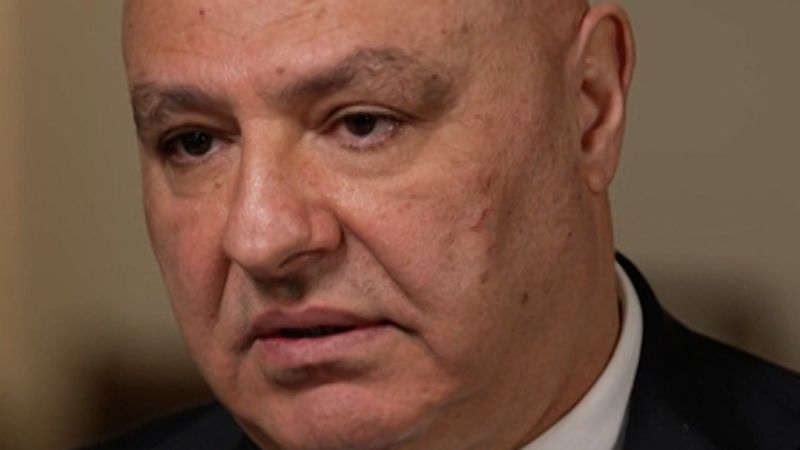
Qwenews.com – Exclusive: Lebanese President Joseph Aoun has publicly condemned Iran for leveraging his nation as a strategic asset in ongoing peace negotiations with the United States. During a recent CNN interview with Christiane Amanpour, Aoun expressed deep concern over Iran’s role in escalating tensions between Lebanon and Israel, particularly through its support of Hezbollah. “We are fed up and want to live in peace,” he stated, emphasizing the Lebanese public’s frustration with the cycle of violence that has ravaged their communities. Aoun’s remarks come amid heightened diplomatic pressure, as Lebanon seeks to assert its independence in a conflict that has strained its resources and tested its unity.
Aoun’s Criticism of Iran’s Diplomatic Strategy
Aoun’s administration has been vocal in its accusation that Iran has manipulated Lebanon’s geopolitical position for its own advantage. “It’s not your country, it’s our country,” he said, directly addressing Iran’s Islamic Revolutionary Guard Corps, which has long been a key pillar of Hezbollah’s operations. In an exclusive interview, Aoun argued that Iran’s diplomatic maneuvering has undermined Lebanon’s sovereignty, pushing the nation into a role it does not desire. “You are using Lebanon as a bargaining chip in your talks with the U.S.,” he insisted, highlighting the disconnect between Iran’s ambitions and the Lebanese people’s yearning for stability.
“Our interests do not align with yours,” Aoun added, stressing that Iran’s strategy prioritizes its own diplomatic gains over the well-being of Lebanon’s citizens. The president’s exclusive comments underscore a growing sense of urgency among Lebanese leaders to break free from external influence and secure a lasting peace.
Hezbollah’s Role in the Conflict
Hezbollah, a powerful Iranian-backed militant group, has played a central role in the current crisis. Founded in 1982, the group has historically positioned itself as a defender of southern Lebanon and Palestinian causes. However, its recent rocket attacks on Israel were sparked by a U.S.-Israeli military strike that targeted Iran’s leadership, killing Ayatollah Ali Khamenei and several key allies. The retaliation led to over 3,500 Lebanese casualties and displaced nearly 20% of the population, deepening the nation’s vulnerability. Aoun’s administration has since sought to distance Lebanon from such escalations, framing Hezbollah’s actions as a direct consequence of Iran’s geopolitical strategy.
Iran’s Counterarguments and Diplomatic Posturing
Iran’s Foreign Minister Abbas Araghchi has defended the nation’s involvement, suggesting that Lebanon would have already secured a deal if it had been a true bargaining chip. “Had Lebanon been a bargaining chip for Iran, we’d have a deal long ago,” he said, implying that the U.S. might be the main obstacle to progress. This statement came in response to Aoun’s exclusive critique, which has drawn sharp reactions from Iran’s allies. Despite the criticism, Iran maintains that its support for Hezbollah is essential to regional security and its broader geopolitical goals.
“This is a huge opportunity. Both sides must choose: war or diplomacy,” Aoun said, underscoring the urgency of the situation. His exclusive remarks reflect a shift in Lebanese leadership’s approach, as they increasingly challenge Iran’s dominance in shaping the peace process.
Lebanon’s Path to Sovereignty
Lebanon’s struggle for sovereignty has intensified as the government grapples with foreign interference and internal divisions. Aoun’s administration has pursued direct peace talks with Israel, a bold move aimed at pressuring Hezbollah to disengage. The president’s exclusive interview highlighted Lebanon’s determination to reclaim its narrative, even as it remains entangled in the broader Middle East conflict. “We are ready, willing, and committed to ending the war,” he told Amanpour, urging Israel to reciprocate with similar resolve. This push for diplomacy marks a significant departure from previous approaches, signaling a new phase in Lebanon’s political strategy.
The ongoing stalemate between Lebanon, Iran, and Israel reveals the complexity of the region’s dynamics. With the war threatening to spiral further, Aoun’s exclusive statements have reignited discussions about the need for a comprehensive agreement that addresses Lebanon’s security and economic concerns. As the negotiations progress, the nation’s resilience and the public’s appetite for peace will be key factors in determining the outcome. The exclusive nature of Aoun’s interview adds weight to his claims, positioning Lebanon as a central player in the evolving peace process.