
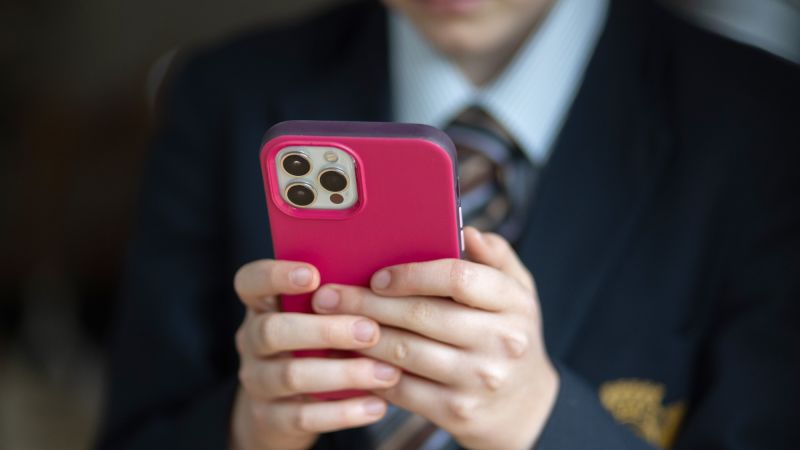
Britain Unveils One of the World’s Toughest Social Media Bans for Kids
Qwenews.com – Britain has unveiled one of the world’s most stringent social media bans, targeting children under 16 to limit their online exposure. The new regulations, introduced by Prime Minister Keir Starmer, aim to curb digital risks and establish a robust framework for child safety. This initiative is part of a global effort to address how young users interact with online platforms, marking a significant shift in digital governance.
Targeting Major Platforms
The UK’s policy primarily focuses on platforms like Snapchat, TikTok, YouTube, Instagram, Facebook, and X, which are central to children’s digital activity. These services will be restricted, while messaging apps such as WhatsApp and Signal remain unaffected. The ban is designed to reduce access to features that pose risks, such as livestreaming and direct communication with strangers, ensuring a more tailored approach to online safety.
Global Precedents and Collaborative Efforts
Britain has unveiled one of the world’s toughest social media bans, joining a growing list of nations that have implemented or proposed similar measures. Spain introduced its own restrictions in February, mandating strict age checks for platforms. Malaysia began enforcing its limit this month, while France, Denmark, and Norway are also advancing plans to curb children’s online engagement. Australia was the first to launch such a ban, effective December 10, setting a precedent for the UK’s comprehensive strategy.
Effectiveness of Australia’s Model
Britain has unveiled one of the world’s toughest social media bans, drawing inspiration from Australia’s earlier efforts. However, data from the Australian eSafety Commissioner’s survey reveals that the policy has not fully curbed children’s social media use. Approximately 70% of 8-15-year-olds who had accounts before the ban still maintain them, according to a study conducted between January 19 and February 2. Despite this, no tech firms have been fined for non-compliance, with Snapchat, TikTok, Facebook, Instagram, and YouTube under investigation for their adherence to the rules.
Comprehensive Safeguards and Enforcement
Building on previous models, the UK’s plan extends beyond simple platform restrictions, incorporating targeted safeguards. These measures will limit features like livestreaming and direct communication with strangers, applying to gaming sites and other online services. The government emphasizes that this approach aligns more closely with how children encounter harm in the digital space, ensuring a nuanced strategy rather than a blanket ban.
“Taken together, these measures will form a more targeted model than a broad ban, aligning with how children encounter harm in the digital space,” emphasized Starmer.
Parental Support and Legislative Timeline
Britain has unveiled one of the world’s toughest social media bans, which has received strong backing from parents. A recent survey highlighted that 90% of parents support the initiative, recognizing its potential to empower them in monitoring their children’s digital activity. The UK government plans to present the legislation to Parliament before Christmas, with implementation anticipated in spring 2027. Children’s charities have praised the move, though some caution that the ban alone may not be sufficient without ongoing regulatory oversight.
Challenges and Ongoing Debates
Despite widespread support, challenges remain. Critics argue that the ban could be difficult to enforce, particularly with the rise of digital anonymity and the speed at which platforms adapt. Lynn Perry, CEO of Barnardo’s, warned that social media companies must actively ensure their platforms are safe, urging regulators to maintain accountability. Chris Sherwood of the NSPCC called the policy a “watershed moment for child protection,” but emphasized the need for stronger enforcement mechanisms to hold tech giants responsible for compliance.
“Our children’s minds are not for sale,” stated French President Macron as France fast-tracks its own ban for users under 15, signaling the UK’s influence on global digital regulations.
Future Implications for Global Digital Policy
The UK’s ban is expected to inspire further regulatory action worldwide. With Britain has unveiled one of the world’s toughest social media bans, other countries may adopt similar frameworks, leading to a more coordinated approach to child internet safety. The policy also raises questions about the balance between innovation and protection, as tech companies face pressure to adjust their services for younger users. As the legislation takes effect in 2027, its long-term impact on children’s digital habits and platform behavior will be closely watched, potentially shaping future global standards in social media regulation.