
Trump’s Promise of Oil Price Decline Faces Reality Check
Qwenews.com – President Donald Trump once vowed that resolving the Iran conflict would lead to a swift drop in energy costs, akin to a rock falling from height. Yet, as the deal framework nears finalization this Friday, analysts suggest the path to lower prices may be more gradual, akin to a feather drifting slowly. The agreement, which could pave the way for Iran to halt its nuclear advancements, now hinges on restoring calm to the Strait of Hormuz, a critical artery for global oil flows.
Market dynamics have already begun to challenge Trump’s optimistic forecast. After the deal’s announcement, oil prices fell below $85, marking a $25 decline from their recent peak. However, the most telling signal comes from long-term futures contracts, which remain largely unchanged despite the sharp drop in near-term prices. “Normal” oil prices—defined as the sub-$70 Brent crude levels seen before the crisis—now appear to be a distant goal, with forecasts suggesting prices may stay above $70 until late 2031.
A Narrow Passage, A Big Challenge
The Strait of Hormuz, once a vital chokepoint, now faces a complex reality. Iran’s mining of the waterway has reduced transit routes to two narrow channels, creating a bottleneck that could delay the resumption of normal shipping. “Vessels must navigate with extreme caution to avoid collisions or groundings,” warns Jakob Larsen of BIMCO, the world’s largest shipowner association.
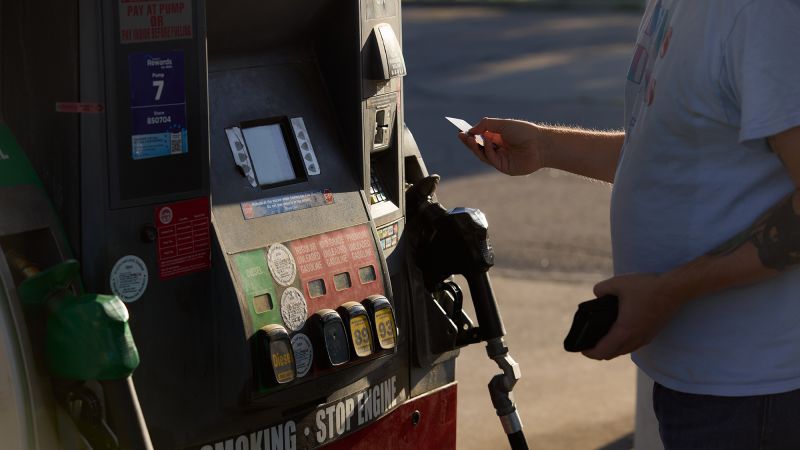
“We’ll figure out what the new normal is, but it isn’t going to be $2.85 gasoline,” said Dan Pickering, founder and chief investment officer at Pickering Energy Partners.
Clearing the mines will take weeks, as the US Navy painstakingly identifies and neutralizes them. Even with this progress, the return of steady oil traffic may lag, with nearby ships needing time to reposition. Vikas Dwivedi of Macquarie Group notes that only a few dozen vessels are currently ready, far below the typical 100-or-so waiting for loading. He anticipates a surge in activity once the strait reopens but estimates it could take up to 30 days to restore full capacity.
Tensions in the region, however, complicate this timeline. Iran’s threats to target transiting ships have driven up insurance costs and dampened confidence among shipping firms. “Operators won’t commit en masse without a stable ceasefire,” adds Larsen. Niels Rasmussen, BIMCO’s chief shipping analyst, estimates a two-month window for the strait to return to “normal” operations, though Kieran Tompkins, a senior commodities economist, calls this timeline “optimistic.”