
Iranian Americans Grapple with World Cup Loyalties
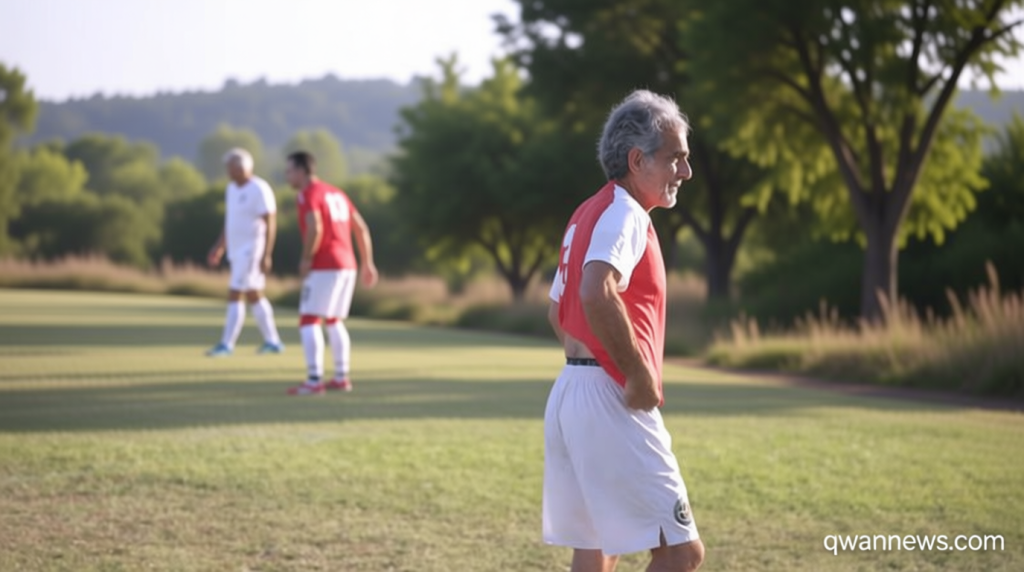
Qwenews.com – As the World Cup kicks off, Iranian Americans across the U.S. find themselves caught in a cultural and political dilemma: “Who are we cheering for?” This question resonates deeply within communities that straddle two identities—rooted in their ancestral homeland and shaped by their life in America. At Arya Football Club in Moorpark, players like Nader Adeli, 65, sport jerseys featuring the Iranian flag’s colors, yet the debate over national symbolism intensifies with every match. The team’s crest, blending red, white, and green, is a reflection of their heritage, but the division over flags and flags’ political meanings becomes more pronounced as the tournament progresses.
Team Iran’s participation in the World Cup adds another layer of complexity, especially with the U.S. as a host nation engaged in a war with the Islamic Republic. SoFi Stadium in Inglewood, now bearing the tournament’s name, becomes a battleground for identity and allegiance. The logistical hurdles of visa delays and travel bans are compounded by the symbolic weight of the event. For many Iranian Americans, the World Cup is not just a sporting occasion—it’s a mirror reflecting their internal conflict between loyalty to Iran and pride in their American roots.
The Flag Debate Intensifies
The World Cup has reignited discussions about the national symbols that define Iranian identity. While the Islamic emblem on Team Iran’s jersey is a constant presence, some Iranian Americans favor the Sun and Lion flag—a pre-revolution design associated with secular and oppositional movements. This duality creates tension, as the flag becomes more than a piece of fabric; it represents political ideologies, historical narratives, and personal loyalties. Ramin Ghashghaei, 61, an Arya FC defender and immigration attorney, articulates this divide: “This is not my flag. To me, that’s a terrorist organization, period.” His words echo the sentiments of many who view the current regime as a barrier to their cultural expression.
“You’ve probably heard of the dilemma between the Allah in the middle and the sun and lion,” Adeli said. “I wanted the design to honor our Iranian heritage without sparking political debate.”
The debate is not limited to the field. At stadiums and in living rooms, fans argue over whether the team should represent the entire Iranian people or just the government. The FIFA stadium code of conduct, which prohibits politically charged banners and flags, further complicates matters. Some Iranian Americans plan to protest during Iran’s matches, while others quietly support the team despite their reservations about the regime.
A Divided Diaspora
The ongoing war has deepened divisions within the Iranian American community, exposing differing views on the country’s direction. In Westwood’s Persian neighborhood—known as “Tehrangeles”—some celebrate the recent airstrikes that killed Supreme Leader Ali Khamenei, chanting slogans like “Thank you, President Trump” and “Thank you, Bibi Netanyahu” while waving Sun and Lion flags. However, not all share the same enthusiasm. Others question whether the attacks mark a step toward regime change or if the human cost is worth it. This tension is amplified by the World Cup, where every goal and performance becomes a point of contention.
“Does that mean I support President Trump, ICE, or the military?” asked Omeed Askary, a 26-year-old Iranian American attorney in New York. “Not at all. I still want my team to do well. Iran is a theocratic dictatorship, but that doesn’t mean I can’t root for its players.”
Despite their political disagreements, many Iranian Americans still feel a deep connection to their cultural heritage. The World Cup becomes a stage where they reconcile these conflicting loyalties. For some, the team represents the resilience and spirit of their ancestors; for others, it symbolizes the country’s political struggles. This duality is evident in their cheers, their silence, and their shared moments of pride and doubt.
As the tournament unfolds, the focus keyword “Who are we cheering for Iranian” becomes central to the narrative. The Iranian American experience is not monolithic, but the World Cup highlights the complexity of their identity. Whether they choose to support Team Iran, their players, or their political aspirations, the decision reflects a broader conversation about belonging, legacy, and the role of sports in shaping national narratives. This year’s World Cup is not just about matches—it’s about the questions that linger in the hearts of a diaspora torn between two worlds.
With over 100 days of war still ongoing, the World Cup serves as a backdrop for the community’s evolving perspectives. While both the U.S. and Iran hint at an upcoming agreement, the conflict remains unresolved. For Iranian Americans, the tournament offers a chance to reclaim their cultural pride while navigating the political realities of their home country. Their support for Team Iran is a testament to their connection to the homeland, even as they grapple with the regime’s influence on the game and their own sense of identity.