
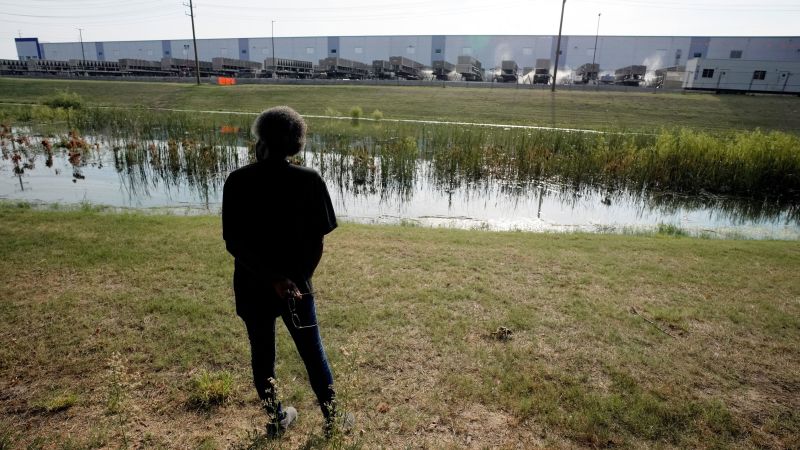
Memphis Council Deadlocks on Proposed Data Center Pause
Qwenews.com – Memphis officials have voted down a proposed 18-month halt on new data center projects, leaving the city without the temporary restrictions sought by residents and activists concerned about pollution, noise and rapid infrastructure growth tied to artificial intelligence.
The measure failed Tuesday when the Memphis City Council split evenly, 6-6. It would have paused approval of new data centers and expansions of existing facilities while a study committee developed potential rules for the industry. The proposal had initially called for a 12-month suspension before being extended to 18 months earlier this month.
The closely watched vote followed weeks of heated public debate, including an earlier October meeting marked by clashes inside City Hall. More than 100 people attended that session, where protesters confronted council members and disagreements also broke out among officials. Two women were restrained in the lobby after exchanging punches.
For supporters of the moratorium, the proposal was not intended as a permanent rejection of data centers. Instead, they argued that Memphis needed time to establish protections for neighborhoods facing the effects of a fast-growing, power-intensive industry.
“We’re not saying no to data centers forever; we’re saying slow it down so that we can make the necessary adjustments so that we can protect neighborhoods and property value, so we can make sure there’s not a detrimental impact on the environment,” Memphis City Council Member JB Smiley Jr. said before Tuesday’s meeting.
“We have to make sure we’re putting people before profits.”
Residents Seek Stronger Environmental Protections
Council Member Jerri Green expressed disappointment after the tie vote, saying public pressure had been building for more than a year. She pointed to the large crowd that spent hours waiting to address the council during the measure’s third reading.
“I think we failed the citizens of Memphis tonight and what they have been asking for, so it’s really disappointing,” Green said. “We had hundreds of people packed in there that waited for hours. This is the third reading. They’ve been pushing for this for over a year, they’re the people who are being deeply impacted by these environmental hazards.”
Smiley, who sponsored the moratorium, had anticipated that 400 to 500 people might come to City Hall to demand a pause on data center development. The size and intensity of the debate reflect broader concerns about the local consequences of facilities built to support increasingly demanding AI systems.
Data centers require substantial electricity, and communities hosting them may face questions involving air quality, land use, utility infrastructure, noise and property values. Those concerns have become more prominent across the United States as companies race to build the computing capacity needed for AI products and training systems.
Colossus Project Becomes a Flashpoint
The issue has been particularly acute in Memphis since June 2024, when an abandoned factory in southwest Memphis was transformed for an AI project associated with Elon Musk. The facility, called Colossus, was promoted as the “world’s largest supercomputer” and described at the time as the “most powerful AI training system in the world.” Plans also called for a second area facility.
The project arrived as Memphis pursued a role as a center for advanced technology. But the development sparked opposition from residents after dozens of gas-powered turbines were installed to support the operation. Such turbines can emit a mix of toxic pollutants, intensifying concerns in communities already familiar with industrial activity and air-quality disputes.
Boxtown, a historic southwest Memphis neighborhood that is predominantly Black and economically disadvantaged, has long lived alongside industrial pollution. Residents there viewed the additional turbines as another potential risk to their health and quality of life.
More turbines have also been planned about 10 miles east of Memphis in Southaven, Mississippi, at the location of Colossus 2. That facility is intended to provide power for the Grok AI chatbot.
Legal Dispute Continues in Mississippi
The NAACP filed a federal Clean Air Act lawsuit against SpaceXAI in April, alleging that dozens of turbines in Southaven were operating without required permits. The Department of Justice later urged the court to dismiss the case, arguing that the Grok chatbot was critical to national security. The litigation remains active but is currently entangled in appeals.
Environmental and neighborhood concerns in Memphis extend beyond emissions. Residents have described persistent sound and vibrations associated with the data center facilities in a noise complaint. State officials have also raised concerns involving emissions from the turbines.
Memphis is accustomed to debates over clean air, with more than a dozen polluting facilities located in the city. That history has shaped the response to AI-related infrastructure: for many residents, the controversy is not solely about emerging technology, but about whether industrial growth will deepen longstanding environmental burdens in already affected neighborhoods.
The council’s decision means the proposed citywide pause will not take effect. However, the vote does not settle the larger conflict over how Memphis should handle future data center development. Residents and elected officials are likely to continue debating what safeguards, oversight and planning requirements should apply as demand for AI computing infrastructure expands.
Related Reading
Frequently Asked Questions
What is Memphis leaders reject contentious 18 month?
Memphis leaders reject contentious 18 month is the main topic of this guide. The article explains the context, practical details, and next steps readers should understand.
Why does Memphis leaders reject contentious 18 month matter?
Memphis leaders reject contentious 18 month matters because readers are looking for a useful answer, not just a short summary. Good content should match search intent and help them decide what to do next.