
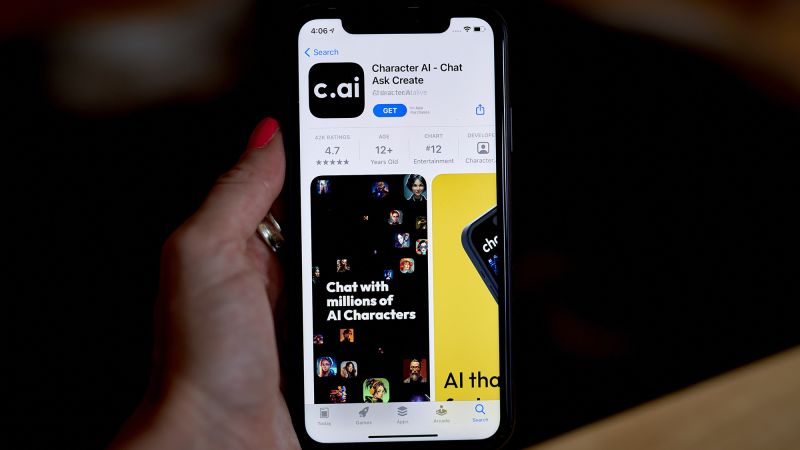
Character ai files for bankruptcy amid lawsuits and safety concerns
Qwenews.com – Character ai files for bankruptcy after facing lawsuits, heightened scrutiny over teen safety, and intense competition in the AI chatbot market. The company has entered Chapter 11 protection and plans to pursue a court-supervised sale before the end of the year.
Character.ai operates a platform where users can chat with AI-generated characters, including bots inspired by public figures and fictional worlds. Users can also create their own characters, which are designed to respond in a conversational, human-like style.
Bankruptcy filings list the company’s assets at between $50 million and $100 million. The process is intended to give Character.ai time to sell its business or assets while keeping the service available. The company has said the platform could be wound down if a sale is not completed.
Disney may emerge as a bidder
Disney has taken steps that could position it as a potential buyer. The entertainment company agreed to pay $20 million for certain intellectual property and hired former Character.ai employees to provide transition services while the bankruptcy case proceeds.
Karandeep Anand, who became Character.ai’s chief executive last year to improve its safety reputation, moved to Disney last month as chief technology officer. He previously described the company’s focus as personalized, interactive AI entertainment that lets users shape stories and conversations with digital characters.
“Doubling down on entertainment, doubling down on trust and safety.”
The outcome of the sale could determine whether Character.ai remains a standalone platform, becomes part of a larger entertainment business, or ceases operating. It also comes as chatbot services from companies including OpenAI and Google compete for users.
Lawsuits put AI companion safety in focus
Character ai files for bankruptcy following claims by families who alleged that interactions with its bots harmed children and teenagers. In 2024, Florida mother Megan Garcia sued the company over the death by suicide of her 14-year-old son, Sewell Setzer III, alleging that the platform bore responsibility.
Other families brought cases alleging that minors were exposed to sexual content or that bots encouraged suicide, self-harm, or violence. Character.ai settled five cases earlier this year, including Garcia’s case. Matthew Bergman, founder of the Social Media Victims Law Center, which represents several families that sued the company, declined to comment on the filing.
The lawsuits added to a wider debate about AI companion services. Critics have warned that vulnerable users may develop unhealthy dependence on systems that can appear empathetic but do not have human judgment or accountability.
Product changes for younger users
Character.ai has introduced safety measures in response to the concerns. The service added pop-up notices directing users to mental health resources and ended ongoing back-and-forth bot conversations for people under 18. Younger users can instead create one-time stories or videos.
Those changes reflect the difficult balance for companies building highly engaging AI products. Safeguards may reduce risks for younger people, but they can also change the experience that originally drew users to companion-style chatbots.
Founded in 2021 by former Google AI employees Noam Shazeer and Daniel de Freitas, Character.ai quickly gained attention and said it surpassed a $1 billion valuation a little more than a year after launch. Both founders later returned to Google.
Frequently asked questions
What does the bankruptcy filing mean for current users? Character.ai is seeking a sale while continuing to operate, but the company has said the service could be wound down if no buyer is found.
Can minors still use Character.ai? Users under 18 can create one-time stories or videos, but they can no longer have ongoing conversations with bots.
Why did Character ai file for bankruptcy? The filing follows legal claims, safety concerns involving younger users, and pressure within an increasingly competitive AI chatbot market.