
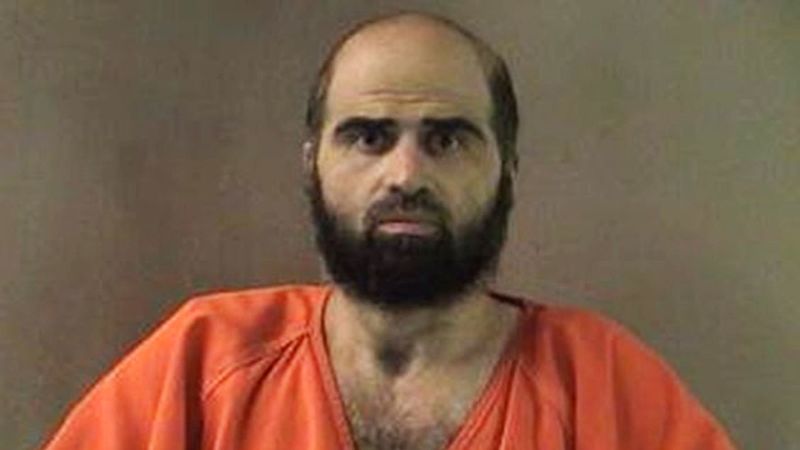
Trump Approves Firing Squad for Execution of Nidal Hasan
Qwenews.com – President Donald Trump approves firing squad for execution of Nidal Hasan, the former Army major sentenced to death for the 2009 attack at Fort Hood, Texas. The shooting killed 13 people and injured 32 others, making it one of the deadliest attacks on a U.S. military installation.
The Pentagon announced Monday night that Defense Secretary Pete Hegseth recommended execution by firing squad and that Trump approved the request. Hegseth is expected to determine the date and location of Hasan’s execution, though officials have not publicly provided those details.
Pentagon Announces Execution Decision
The decision means the Defense Department will handle the next steps in a case that has remained unresolved for years after Hasan’s conviction. Hasan was convicted under the military justice system for the killings and injuries caused during the November 2009 attack at Fort Hood, now known as Fort Cavazos.
Pentagon spokesperson Sean Parnell described Hasan as the man responsible for firing on unarmed American service members at the Army post. In a message posted on X, Parnell said the case had reached a long-awaited point of accountability.
“He killed 13 people and wounded 32 others while shouting ‘Allahu Akbar’ during the attack,” Parnell said.
“Judgement day for Hasan has finally come.”
Hegseth later responded to Parnell’s post with one word: “Justice.” The announcement renewed national attention on the Fort Hood attack, its victims and the military legal process that followed.
Fort Hood Attack Left Lasting Impact
On the day of the attack, Hasan opened fire at Fort Hood in Central Texas. The violence affected service members, military families, first responders and the broader community surrounding the installation. For survivors and relatives of those killed, the case has continued to carry deep personal significance.
The shooting remains a defining tragedy for the U.S. military community. The 13 deaths and 32 injuries reflect the immediate scale of the attack, while its consequences have extended far beyond the installation itself. Many people connected to Fort Hood, now Fort Cavazos, have lived for years with the effects of the violence.
Trump approves firing squad for execution after the recommendation from Hegseth, according to the Pentagon. The authorization concerns the method of execution, but it does not establish a publicly announced date. Further information is expected as the Defense Department completes its administrative and legal preparations.
What Happens After Trump’s Approval
Hegseth will determine when and where the execution will occur. The Pentagon has not said whether additional public announcements will be made before that decision is finalized. Until a time and location are set, the execution process remains under the authority of the Defense Department.
Military executions are rare, and death sentences in the military justice system involve extensive legal and administrative procedures. The decision to proceed brings renewed focus to a case that has remained in public view since Hasan’s conviction.
For the families of those killed and the people wounded in the attack, the announcement may revive painful memories. The Pentagon framed the decision as a measure of accountability for the victims, while the practical details of the execution remain pending.
FAQ: Nidal Hasan Execution and Fort Cavazos
What did Trump approve?
Trump approved execution by firing squad for Nidal Hasan after Defense Secretary Pete Hegseth recommended that method, according to the Pentagon.
When will Nidal Hasan be executed?
No execution date has been publicly announced. Hegseth is expected to determine the time and location.
Where did the 2009 attack happen?
The attack occurred at Fort Hood in Texas. The installation has since been renamed Fort Cavazos.
How many people were killed and injured?
Thirteen people were killed and 32 others were wounded in the 2009 shooting.
As the Pentagon moves forward, Trump approves firing squad for execution in a case that continues to resonate across Central Texas and the wider military community. The remaining decisions on timing and location will determine the next public phase of the long-running case.