
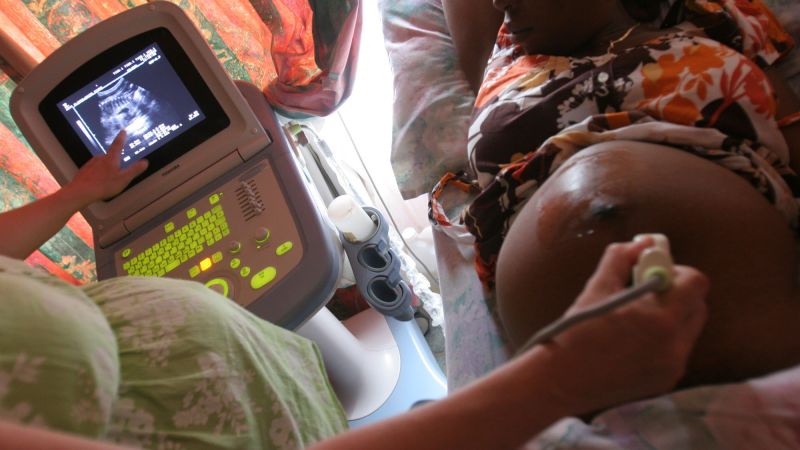
US Aid Cuts Disrupt HIV Care for Mothers and Children
Qwenews.com – The Trump administration said it would prioritize ending mother-to-child HIV transmission, but health workers say cuts to US-backed programs have disrupted care for pregnant women, babies and children. In Tanzania and other countries, services that help prevent HIV transmission during pregnancy, childbirth and breastfeeding remain uncertain.
Dr. Theopista Masenge was working at a hospital in Mbeya, Tanzania, in January 2025 when her program was ordered to stop operating. The pediatrician supported HIV-exposed infants, children, pregnant patients and efforts to improve treatment for children with high HIV viral loads.
“It was really, very abrupt, and I recall even the hospital managers were running up and down like, ‘What are we going to do?’”
The program received a letter directing it to suspend work after the US Agency for International Development, which was later dismantled, halted operations connected to the program. Masenge lost her job soon afterward, and she says care has not fully recovered in some areas despite the return of limited funding.
Prevention Services Were Interrupted
The Trump administration said it would protect programs aimed at preventing mother-to-child HIV transmission. Yet a July study by amfAR and Johns Hopkins University found widespread disruption among organizations that had received PEPFAR funding in the prior year.
The study included 166 organizations in 46 countries, representing 23% of all PEPFAR partner groups. Nearly two-thirds of respondents, or 63%, reported disruption to mother-to-child HIV prevention services. Another 22% said they had stopped offering those services entirely during the funding reductions.
Health workers say HIV prevention cannot be separated easily from the wider systems that support it. Testing, counseling, laboratory work, treatment monitoring, staffing and follow-up appointments are connected parts of patient care.
“Even if the administration’s intention was to not touch these programs, PEPFAR funding awards generally aren’t sort of specific to doing one individual task. There was really no way to protect very singular parts of the system while dismantling others.”
Continuity of Care Is a Major Concern
The survey found that 1,714 health clinics previously supported by PEPFAR closed around the world last year. For families affected by HIV, clinic closures can mean longer travel, missed appointments, fewer trained health workers and delays in testing.
Masenge said her greatest concern is not only access to antiretroviral medicines, but also the consistency and quality of care for mothers and children. Some patients may stop returning to facilities for medication when they believe services have worsened.
“I’m not so worried in terms of supplies and medications, but I’m super worried about the quality of care for the children, for the mothers.”
Early infant diagnosis is especially important because babies exposed to HIV need timely testing and support. Pregnant women living with HIV also need continued access to treatment and follow-up care before and after delivery. Breaks at any point can delay care or leave families without clear guidance.
FAQ: HIV Care for Mothers and Children in Tanzania
Why does continuity of HIV care matter during pregnancy?
Regular testing, treatment and follow-up help protect the health of pregnant women living with HIV and reduce the risk of transmission to babies during pregnancy, childbirth or breastfeeding.
What should families do if a local HIV clinic closes?
Families should seek guidance from nearby health facilities or qualified health workers about where HIV testing, medication collection and infant follow-up services are available. Keeping appointments and obtaining timely testing remain important whenever possible.
The Trump administration said it would make ending mother-to-child HIV transmission a priority, but health workers say the broader damage to HIV service networks has made that goal harder to achieve. Restoring dependable care requires more than medicine alone: it depends on clinics, trained staff, testing and sustained support for families.