
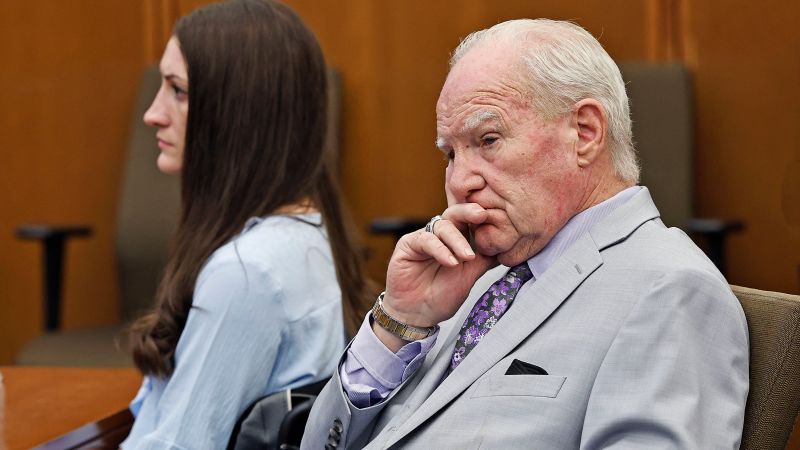
Defense Counsel Signals Openness to Plea Bargain After Mistrial in Lindsay Clancy Case
Qwenews.com – In a notable shift from his earlier post-trial bravado, the lawyer representing Lindsay Clancy said Tuesday that he is prepared to sit down with prosecutors and negotiate a resolution to the Massachusetts murder case that consumed national attention for weeks. Speaking on ABC’s “Good Morning America,” attorney Kevin Reddington indicated he would welcome a conversation with Plymouth County District Attorney Timothy Cruz about crafting a deal “acceptable to both sides,” a move that effectively concedes the possibility of a guilty plea for the mother of three.
The statement came days after a jury of nine women and three men failed to reach a unanimous verdict following a dayslong standoff, with a single dissenting juror blocking consensus. The resulting mistrial on Friday closed a trial that had split the country along emotional and legal lines, forcing a public reckoning with postpartum depression, anxiety disorders, and psychosis in the aftermath of childbirth.
From “I Won the Case” to the Negotiating Table
Reddington’s posture changed dramatically between Friday and Tuesday. Immediately after the mistrial, he projected unshakable confidence, telling reporters he saw no reason to alter his strategy in a potential retrial.
“Why would I? I won the case.”
Believing the jury had fractured along an 11-to-1 line in favor of acquittal, the defense attorney declared he had “crushed” the prosecution. By the time he sat down for the Tuesday morning interview, however, his tone had softened considerably. He said he did not regret the earlier remarks but acknowledged he “could have been a little more circumspect dealing with Tim Cruz,” a prosecutor he has known for three decades and described as “a very hard-charging prosecutor, a conservative gentleman.”
“I’m willing to listen to Tim. I hope, however, after sitting through this trial and seeing the evidence that was presented from the government, as well as from the defense, that he would revisit that issue.”
Cruz, for his part, had not yet announced whether his office would seek a new trial. He framed the prosecution’s mission in simple terms, saying the case was always about “getting justice for those three little babies.” Reporters reached out to the district attorney’s office for additional comment as of Tuesday.
What a Plea Bargain Would Mean for Clancy
Trial correspondent and attorney Jean Casarez, who followed the proceedings closely, noted that Reddington’s pivot toward negotiation signals a clear preference to avoid another full trial. A plea agreement, she explained, carries the practical consequence of a conviction on the record, even if the sentence is substantially reduced.
Legal analyst Joey Jackson offered a different framing: for a defendant whose central claim is that mental illness impaired her capacity to act, a negotiated resolution may unlock access to treatment that a not-guilty verdict would leave unavailable.
“If you’re in the defense, I think you want to get your client mental health help. Yes, you’ll have to accept criminal responsibility on a plea deal, but that would be factored into something that was on the lighter side. But that would provide my client the help she needs to get better one day.”
The tension at the heart of the case is precisely this: Clancy’s defense argued that postpartum psychosis rendered her incapable of forming criminal intent, meaning she should not be held legally responsible for the deaths of her three young children. A plea deal would require her to accept some degree of criminal responsibility while, in theory, securing the psychiatric care her attorneys say she urgently needs.
The Pardon Question and Jurisdictional Realities
At the close of his interview, Reddington turned his attention to the White House, urging President Donald Trump to consider granting Clancy a pardon. Trump had said on Friday that he had been following the trial and called it a “horrible tragedy” and “terrible.”
“Mr. President, I would hope that you would consider this young lady, the type of person she is, what she’s been through, and consider a pardon.”
Yet the legal architecture of the case complicates that appeal. Clancy has not been convicted and retains her presumption of innocence. More importantly, her trial took place in Massachusetts state court, not federal court, meaning the constitutional power to grant a pardon in this matter rests with the governor of Massachusetts rather than the president. Reporters reached out to the White House for comment on whether the administration would weigh in.
A Trial That Divided a Nation
The Clancy case became a cultural flashpoint far beyond the courtroom. Social media debates, editorial pages, and late-night television programs wrestled with questions about how far postpartum mental illness can excuse violent conduct, whether the criminal-justice system is equipped to handle defendants whose capacity for rational choice was compromised by hormonal and neurological upheaval, and what society owes to mothers who lose themselves in the weeks after giving birth. The single juror who held out against acquittal — one voice against eleven — became an almost symbolic figure for a trial that, in the end, produced no verdict at all.
Whether Cruz opts for a retrial, whether Reddington’s overture to negotiation bears fruit, and whether any pardon conversation gains traction in Boston or Washington will determine the next chapter of a story that has already reshaped public understanding of postpartum mental health in America.
Related Reading
Frequently Asked Questions
What is Lindsay Clancy s attorney expresses willingness?
Lindsay Clancy s attorney expresses willingness is the main topic of this guide. The article explains the context, practical details, and next steps readers should understand.
Why does Lindsay Clancy s attorney expresses willingness matter?
Lindsay Clancy s attorney expresses willingness matters because readers are looking for a useful answer, not just a short summary. Good content should match search intent and help them decide what to do next.