
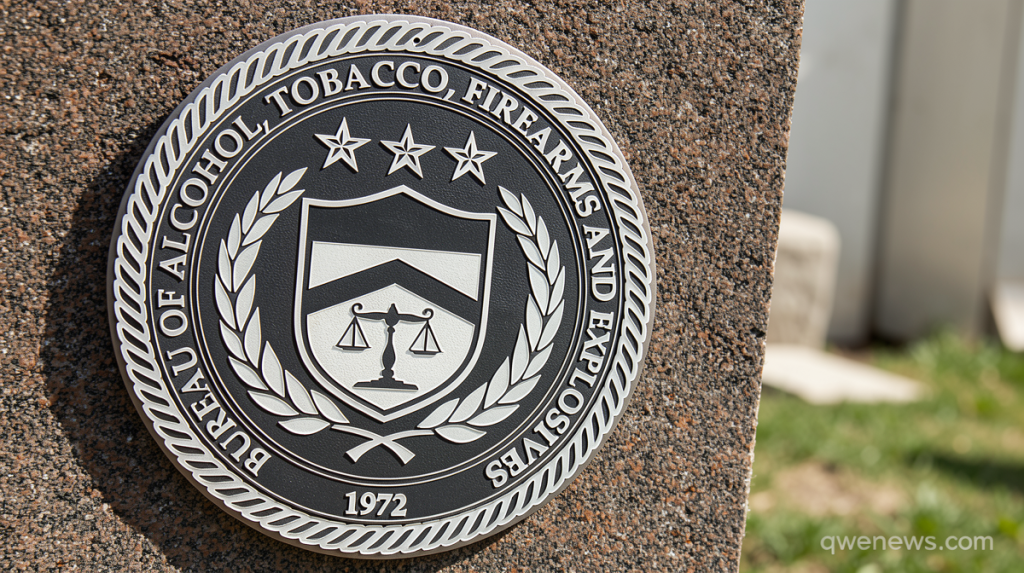
Federal Law-Enforcement Data Exposed After Ransomware Group Publishes Stolen ATF Files
Qwenews.com – Federal agencies that routinely track, surveil, and prosecute organized crime have themselves become targets of the very cybercriminal networks they pursue. On Monday, a ransomware operation believed to be Russian-speaking published what appear to be internal investigative files taken from the Department of Justice’s Bureau of Alice, Tobacco, Firearms and Explosives — wait, correction: the Bureau of Alcohol, Tobacco, Firearms and Explosives. The release raises fresh questions about how well federal systems safeguard the sensitive records they hold on behalf of the public.
What Was Exposed
The released documents appear to contain details on subjects of prior ATF probes, including analyses of telephone communications tied to those targets. An independent cybersecurity researcher, Ron Fabela, reviewed portions of the data and confirmed that the files map onto specific ATF agents and high-profile matters they handled. The investigations referenced span armed robbery, arson, explosives cases, and homicide inquiries. Fabela noted that a significant share of the cases identified in the dump trace back to the ATF’s Houston Field Division, suggesting the breach may have concentrated on one geographic unit’s casework.
For readers unfamiliar with the bureau’s role: ATF sits within the Justice Department and handles federal investigations into firearms trafficking, explosives crimes, arson, and related offenses. Its casework frequently intersects with organized crime, domestic terrorism, and high-profile criminal networks. When investigative files — including communications analyses and agent-to-case assignments — end up in the hands of external actors, the implications extend well beyond a single agency. Subjects of closed or ongoing probes may find personal details, travel patterns, or communication metadata exposed. Agents whose names appear alongside case files may face heightened personal-security risks.
ATF’s Official Response
In a statement issued Monday, the bureau said it could not yet verify the authenticity, nature, or scope of the published data. The agency added that it was coordinating with the Justice Department and other federal partners to evaluate the claims and determine what steps to take next.
“As ATF previously stated, the affected system was not connected to – and the incident did not affect – ATF’s other operational systems. ATF’s ability to carry out its mission has not been impacted.”
The bureau had first disclosed the breach the previous week, explaining that the event crossed the threshold for what federal regulations classify as a “major” cybersecurity incident, a designation that triggers a notification requirement to Congress. Under existing federal law, a major cyber incident is generally defined as one that could impair U.S. national security, foreign policy, or economic interests. The fact that ATF invoked that threshold signals the agency’s own assessment that the intrusion was not a minor technical glitch but an event with potential downstream consequences.
The Ransomware Group Behind the Breach
A prolific ransomware outfit known as Qilin had earlier claimed responsibility for the intrusion. Beginning Monday, the group started publishing the stolen files through its dark-web victim portal, a common tactic used to pressure organizations into paying ransoms or to demonstrate operational reach. Qilin has been active across manufacturing, retail, and healthcare sectors in recent years. Cisco’s cyber-intelligence unit has labeled the group one of the most prolific and damaging ransomware threats operating on a global scale. Halcyon, a cybersecurity firm that tracks ransomware operations, has expressed high confidence that Qilin members are Russian speakers.
The group’s methodology — infiltrate, encrypt, then selectively leak data to maximize pressure — mirrors tactics long associated with state-linked cyber operations. Whether Qilin operates independently or with state sponsorship remains a matter of ongoing debate among analysts, but its scale and persistence place it among the most consequential ransomware actors of the past several years.
A Recurring Pattern at Federal Agencies
The ATF breach is the latest in a series of incidents in which federal law-enforcement bodies have had their own systems compromised by the types of criminals they routinely investigate. In 2023, a ransomware strike on the U.S. Marshals Service exposed personal information belonging to subjects of that agency’s investigations. Also that year, hackers broke into a computer system used by the FBI’s New York field office for investigations into child sexual exploitation imagery, including a repository holding images connected to the Jeffrey Epstein inquiry, according to people briefed on the matter.
Each of these episodes carries a distinct sting: the agencies most tasked with protecting the public from digital crime are repeatedly found wanting in their own digital defenses. The structural tension is clear. Agencies charged with surveilling and prosecuting sophisticated criminal networks must simultaneously defend their own infrastructure against those same networks, often with budgets and staffing levels calibrated for field operations rather than enterprise-scale cybersecurity.
Broader Implications
The threshold for congressional notification on “major” incidents exists precisely because a breach at a law-enforcement bureau can carry consequences far beyond the affected department. If the leaked files are confirmed authentic, questions will follow about how long the data sat in attacker hands before publication, whether any subjects or agents were notified, and what remediation steps the Justice Department will undertake. Until those questions are answered, the episode serves as a reminder that the digital records underlying federal investigations are only as secure as the weakest system in the chain — and that the criminals those records describe are, increasingly, the same criminals writing the ransom notes.
Related Reading
Frequently Asked Questions
What is Hackers leak sensitive law enforcement files?
Hackers leak sensitive law enforcement files is the main topic of this guide. The article explains the context, practical details, and next steps readers should understand.
Why does Hackers leak sensitive law enforcement files matter?
Hackers leak sensitive law enforcement files matters because readers are looking for a useful answer, not just a short summary. Good content should match search intent and help them decide what to do next.