
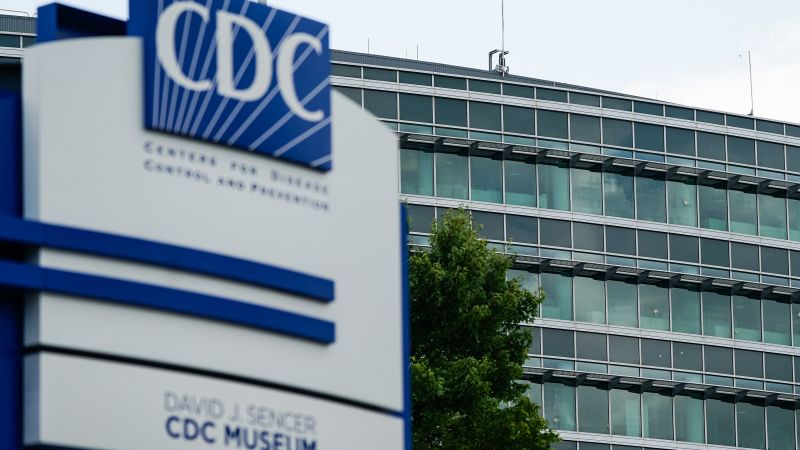
Living with the Echoes of Violence at the CDC
Qwenews.com – It has been twelve months since the gunfire shattered a routine Friday afternoon at the Centers for Disease Control and Prevention’s Atlanta campus, yet the psychological wounds remain fresh for many employees. As the agency prepares to welcome Dr. Erica Schwartz as its new director following Senate confirmation, and hosts a rare visit from Health and Human Services Secretary Robert F. Kennedy Jr., current and former staff members are sharing their ongoing struggles with trauma and a sense of being targeted.
That Fateful Afternoon
Dr. Daniel Jernigan, then leading the National Center for Emerging and Zoonotic Infectious Diseases, was working on the fifth floor of building 16 when he noticed something unusual. The steady pneumatic sounds drifting through his windows seemed out of place for a Friday evening near closing time. He questioned why construction crews would be working so late on a weekend day.
Meanwhile, another physician nearby attempted to ignore the repetitive noise as she finished one final task before meeting relatives at a restaurant. The tension broke when a colleague stood and declared that everyone should pay attention. Walking to a window in building 24, they witnessed a scene that would change everything: people scattered across the campus sidewalks immediately dropped to the ground.
“Everyone who was walking around campus just immediately flung themselves on the ground,” said the doctor, who requested anonymity due to fear of professional repercussions. “So that’s how we knew.”
Investigation by the Georgia Bureau of Investigation revealed that a thirty-year-old man, convinced that Covid-19 vaccines caused harm and holding the CDC responsible, unleashed more than five hundred rounds from five different weapons. He fired from a stairwell near a CVS pharmacy across the street. DeKalb County Police Officer David Rose became one of the first responders to arrive and was fatally shot. The gunman subsequently took his own life.
Staff Safety Concerns Persist
For many employees, the physical danger has subsided, but the emotional toll continues. One physician who remains employed at the agency expressed doubt that conditions have improved.
“I don’t think we’re any safer than we were a year ago,” she stated.
Another former employee from the National Center for Immunization and Respiratory Diseases found himself trapped outdoors when the shooting began. Despite extensive training for high-threat scenarios during overseas assignments, he never expected such violence on American soil. The relentless barrage of gunfire sounded like multiple attackers, and he feared for his life. After fifteen years of service, he departed the agency, unable to shake the trauma.
“This was a terrorist attack against a US federal facility, and that needs to be recognized,” he emphasized.
Political Turmoil Compounds the Pain
The shooting arrived during a period of significant organizational upheaval. Under the Trump administration, the CDC shed more than three thousand three hundred positions, representing approximately twenty-five percent of its workforce according to Office of Personnel Management figures. Seasoned leaders departed through resignation, retirement, or termination, while political appointees aligned with Kennedy’s perspectives filled critical roles.
Kennedy has pursued aggressive changes to vaccine policy, dismissing all seventeen vaccine advisers and installing his own selections, many of whom have raised doubts about vaccine benefits while amplifying potential risks. He also mandated modifications to a CDC webpage addressing vaccines and autism, altering language to state that the assertion vaccines do not cause autism lacks evidence-based certainty because studies have not eliminated the possibility that infant vaccinations contribute to autism. HHS subsequently adjusted this wording to secure Senate backing for Schwartz’s appointment.
Perhaps most notably, President Trump has remained silent, never offering a public statement or expressing condolences regarding the tragedy. More than one hundred eighty bullets damaged windows across the campus, a physical reminder of an assault that many staff members feel mirrors broader attacks on the institution they serve.
Related Reading
Frequently Asked Questions
What is One year after shooting CDC workers?
One year after shooting CDC workers is the main topic of this guide. The article explains the context, practical details, and next steps readers should understand.
Why does One year after shooting CDC workers matter?
One year after shooting CDC workers matters because readers are looking for a useful answer, not just a short summary. Good content should match search intent and help them decide what to do next.