
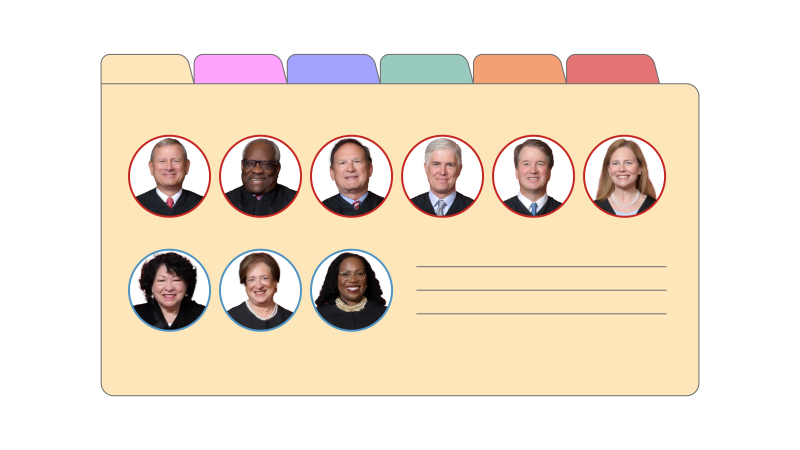
Tracking the Major Supreme Court Cases of 2026
Qwenews.com – As the Supreme Court navigates the final stages of its 2026 term, the focus remains on tracking the major Supreme Court cases that are set to redefine key aspects of American law. These rulings, spanning a wide array of legal domains, will have lasting implications for civil rights, governmental power, and individual freedoms. From landmark decisions on electoral protections to contentious rulings on healthcare policies, the court’s actions this year have sparked intense debate across the political spectrum. With a historically active term, the justices’ interpretations of constitutional principles will shape the nation’s legal framework for years to come.
Key Cases and Their Broader Impacts
One of the most anticipated cases in the 2026 term centered on the Voting Rights Act, a cornerstone of civil rights legislation since the 1960s. The Supreme Court’s ruling in this case weakened the act’s enforcement mechanisms, raising concerns about the future of voting access for minority communities. This decision came under significant scrutiny, with critics arguing it could disproportionately affect African American and Latino voters. The ruling also set the stage for ongoing legislative efforts to restore voting rights protections, highlighting the court’s role as both a judicial arbiter and a policy influencer.
Another pivotal case involved the legality of President Donald Trump’s emergency tariffs on steel and aluminum imports. The court’s intervention in this matter demonstrated its willingness to step into high-stakes economic disputes, ultimately halting the tariffs under tight deadlines. This ruling underscored the intersection of executive authority and judicial oversight, with legal experts debating whether it marked a shift in the court’s approach to presidential power. The decision also sparked discussions about the potential for similar cases in future administrations, emphasizing the importance of tracking the major Supreme Court cases for understanding shifts in policy direction.
LGBTQ Rights and Constitutional Challenges
Two landmark LGBTQ-related cases in 2026 tested the boundaries of constitutional rights and state legislation. The first, concerning the prohibition of conversion therapy in Colorado, saw the Supreme Court side with advocates arguing that the practice violates the rights of minors. This ruling was a significant victory for LGBTQ rights, as it acknowledged the psychological harm of conversion therapy and reinforced protections for vulnerable populations. The second case, addressing transgender students’ participation in girls’ sports competitions, added another layer to the debate over gender identity and educational policies. These decisions reflected the court’s growing influence on social issues, with tracking the major Supreme Court cases offering insight into how legal interpretations can evolve rapidly.
Both cases drew widespread attention, with advocates and opponents citing their potential to set precedents for future challenges. The Colorado ruling, in particular, became a symbol of progress in the fight against discriminatory practices, while the transgender student case highlighted the tensions between state laws and federal protections. These rulings not only impacted the specific issues at hand but also sparked broader conversations about the role of the judiciary in shaping societal norms. For those tracking the major Supreme Court cases, these decisions underscored the court’s ability to influence both legal and cultural landscapes.
Landmark Rulings and Public Reaction
Among the most anticipated rulings of the 2026 term was the court’s decision on the Voting Rights Act, which had been a focal point of political discourse for years. The ruling, which struck down key provisions of the act, was met with mixed reactions. While some celebrated it as a victory for states’ rights, others viewed it as a setback for minority voting access. The decision also prompted immediate calls for legislative action, with lawmakers from both parties vying to reintroduce voting rights amendments. This case exemplified the high-stakes nature of tracking the major Supreme Court cases, as each ruling carries the potential to reshape the political and legal terrain.
Public reaction to the court’s decisions was equally polarized. Supporters of the rulings argued that the court was upholding the principle of judicial restraint, while critics claimed the decisions reflected a conservative majority seeking to roll back progressive advancements. Social media platforms became battlegrounds for commentary, with legal analysts and everyday citizens debating the long-term consequences of these cases. The widespread attention to tracking the major Supreme Court cases of 2026 demonstrated the court’s enduring relevance in shaping public opinion and policy outcomes.
This story has been updated with additional developments, including the court’s expanded role in shaping public policy through rapid rulings on pressing issues.